
Lieferung heute & morgen

Qualitätsgarantie

Willkommens-Angebote freischalten: KOSTENLOSE Lieferung | Bis zu 80 % RABATT | Kostenlose 30-Tage-JoyPlus-Testphase
App herunterladen
The first fine lines, dry skin, a dull complexion or visibly enlarged pores often prompt people to look for an anti-ageing face serum. The options range from Korean face serums with hyaluronic acid to retinol and PDRN serums. However, a striking product name tells you little about whether a serum is right for your skin and daily routine.
The most common buying mistakes stem from three marketing traps:
A hydrating serum containing glycerin or hyaluronic acid is particularly suitable if dryness and tightness are your main concerns. Hyaluronic acid can appear in different forms on the INCI list, depending on its molecular size, such as Sodium Hyaluronate or Hydrolyzed Hyaluronic Acid.
A retinol serum or retinal serum may appeal if you’d like to add a vitamin A derivative to your evening routine. Retinaldehyde is often referred to as retinal in product descriptions. Introduce it gradually: start with just a few evenings a week, use a small amount and follow with enough moisturiser. Apply sun protection the next day.
Peptides, niacinamide and collagen ingredients are also commonly found in firming face serums. Bear in mind that collagen in cosmetic formulas is mainly promoted as a conditioning or moisture-binding ingredient. Always assess claims about visible results against the specific product information, rather than relying on the ingredient name alone.
If you have sensitive skin, it’s worth checking the full ingredients list. Choose a serum for sensitive skin that is free from unnecessary fragrance, where possible. However, “fragrance-free” and “hypoallergenic” don’t guarantee that a product will suit everyone.
Before using a product for the first time, carry out a patch test on a small area of skin. This is especially important with retinol, retinal, acids or products containing spicules. Don’t start using several potent ingredients at the same time. Stop using the product if redness, stinging or itching persists.
It’s also worth being realistic about serums for enlarged pores: cosmetic products can help care for the appearance of pores and uneven texture, but they can’t permanently “close” pores.
Ingredients that are sensitive to light and air need suitable packaging. Retinol and retinal products are best kept tightly closed and out of direct sunlight. Always follow the best-before date and the period-after-opening information shown on the packaging.
A face serum is usually applied after cleansing and, if you use one, after toner. Two to three drops are enough for many fluid formulas. Follow with a moisturiser. In the morning, use sun protection too, particularly if you’ve used vitamin A derivatives in the evening.
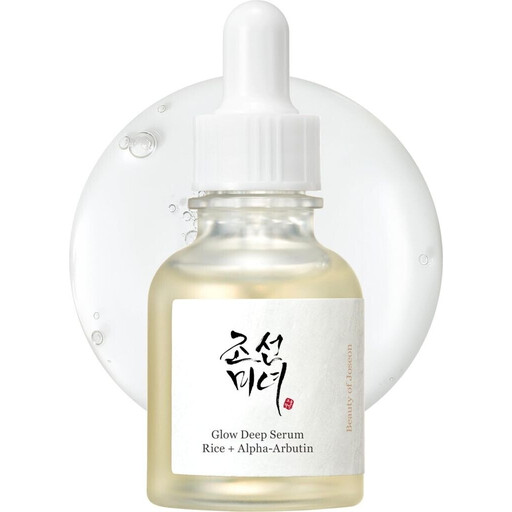
Why this product suits this profile: The formula contains alpha-arbutin, niacinamide, glycerin and panthenol, among other ingredients. It’s a good option if you’re looking for a lightweight K-beauty serum for a dry or uneven-looking complexion.
The full ingredients list is provided, so you can check before buying whether the plant extracts and skin-conditioning ingredients suit your routine.
30 ml size, lightweight serum texture, plus alpha-arbutin, niacinamide and panthenol according to the product information.
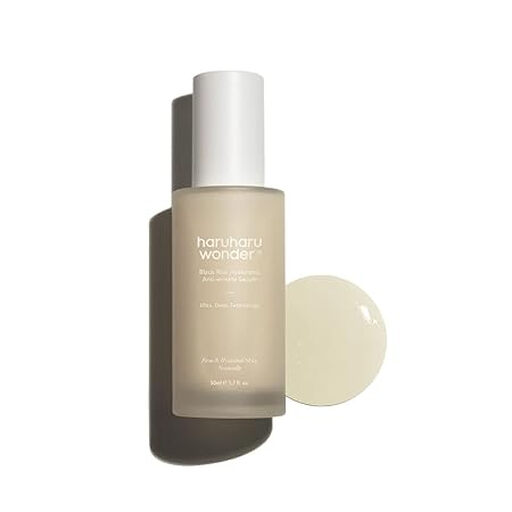
Why this product suits this profile: This serum combines fermented black rice, hyaluronic acid and beta-glucan. According to the product description, it’s formulated without alcohol, mineral oil, parabens or fragrance.
The product description sets out relevant exclusions and gives full directions for use, rather than relying on an ingredient name to sell the product.
50 ml size, hyaluronic acid and a fragrance-free formula according to the supplier.
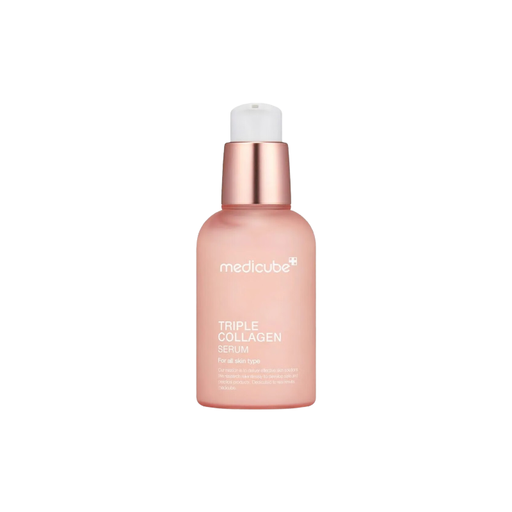
Why this product suits this profile: This serum is designed to provide intensive hydration and, according to the product information, contains several forms of collagen, hyaluronic acid and trehalose. It may therefore appeal if you have dry skin or follow an extensive skincare routine.
The formula and directions for use are described clearly. The product information also notes that the ingredients list on the packaging takes precedence.
55 ml size, several forms of collagen and hyaluronic acid, and can be used alone or mixed with skincare products.
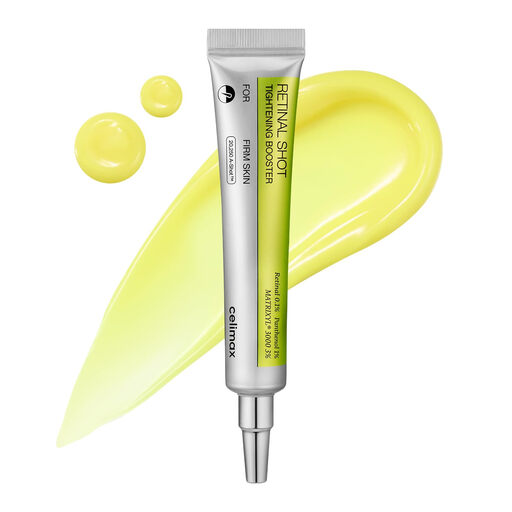
Why this product suits this profile: According to the product description, this booster contains 0.1% retinal and a peptide complex. It’s aimed at those looking for a retinal serum for their evening routine and to care for uneven skin texture.
The 0.1% concentration is clearly stated. Guidance on introducing it gradually, using it in the evening and applying sun protection the next day helps prevent misuse.
0.1% retinal, 15 ml size and Matrixyl-3000 peptides according to the product description.
We’ve put together a comprehensive, regularly updated list of products that meet these strict selection criteria and fully comply with the safety regulations in force in the EU.
After cleansing, apply a small amount to your face and neck, then gently pat it in. If you’re using a retinol or retinal serum, start with just a few applications a week. Follow with a simple moisturiser. Sun protection is a good idea in the morning.
Check the period-after-opening symbol, the best-before date and the manufacturer’s instructions. Don’t continue using the product if its smell, colour or texture changes. Keep light-sensitive serums tightly closed and store them in a dry place.
It depends on the whole formula, not just the featured ingredient. A PDRN or hyaluronic acid serum may have a lightweight formula, but it can still contain other ingredients that don’t suit everyone. Checking the INCI list and carrying out a patch test are the most practical ways to assess suitability before buying.