
Lieferung heute & morgen

Qualitätsgarantie

Willkommens-Angebote freischalten: KOSTENLOSE Lieferung | Bis zu 80 % RABATT | Kostenlose 30-Tage-JoyPlus-Testphase
App herunterladen
An anti-ageing face serum should be chosen to suit your skin concerns, tolerance and daily skincare routine. The range includes retinal and retinol serums, niacinamide and peptide serums, as well as hydrating formulas containing hyaluronic acid. However, high concentrations of active ingredients, trendy terminology and extravagant claims can make comparisons difficult.
The following criteria will help you assess marketing claims objectively and choose a face serum for wrinkles, pigmentation or dry skin that suits your needs.
A percentage can appear clear at first glance. However, it does not by itself indicate how well a product will be tolerated or whether it is suitable for your skin. A niacinamide serum with 15 or 20 per cent may be appealing to some users, while sensitive skin may respond better to a lower concentration or a simpler formula.
With retinol and retinal, stabilisation, encapsulation, packaging and directions for use are also important. A retinal serum is generally used in the evening and should be introduced into your routine gradually.
This claim is convenient, but not very individual. Fragrances, alcohol, essential oils or several active ingredients may be relevant for sensitive or redness-prone skin. It is therefore worth checking the complete INCI list, as well as warnings such as ‘Patch test recommended’ or ‘Avoid contact with eyes’.
A serum cares for the skin, but it does not replace sun protection or a suitable basic routine. Claims relating to wrinkles, pigmentation or skin firmness should be viewed as product-specific information, not guaranteed results. With active formulas, regular use that is well tolerated is also key to making them practical for everyday use.
For fine lines and smoother-looking skin, retinal, retinol or peptides are often considered. Retinal and retinol products generally belong in your evening routine. A serum for firmer-looking skin containing peptides can be an alternative if you do not want to use vitamin A derivatives.
A serum for pigmentation often contains niacinamide, vitamin C or alpha-arbutin. A vitamin C serum may be formulated as a derivative or with pure ascorbic acid. These forms differ in terms of stability and how they feel on the skin.
Dry skin can benefit from ingredients such as glycerine, panthenol, squalane, ceramides and hyaluronic acid. A hyaluronic acid serum helps bind moisture, but should be combined with a cream or emulsion. For sensitive skin, a fragrance-free serum for sensitive skin and a manageable INCI list may be sensible choices.
Check whether the product should be used in the morning, evening or at specific intervals. Retinol and retinal serums should initially be used, for example, twice a week. During the day, sun protection with a suitable SPF is advisable.
Also look out for:
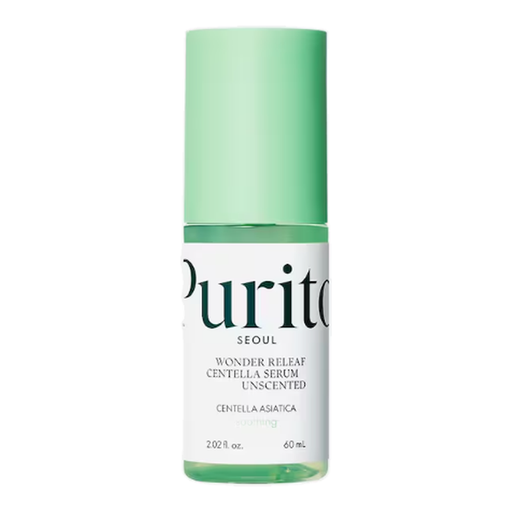
Why this product suits this profile: The fragrance-free formula and 60 ml fill quantity are ideal for a straightforward daily routine without retinol or retinal.
The product description does not list added fragrance and names centella, ceramide NP, niacinamide and hyaluronate. This makes it possible to assess the formula clearly before buying.
49% Centella Asiatica extract according to the product details, several peptides and ceramide NP; fragrance-free formula.
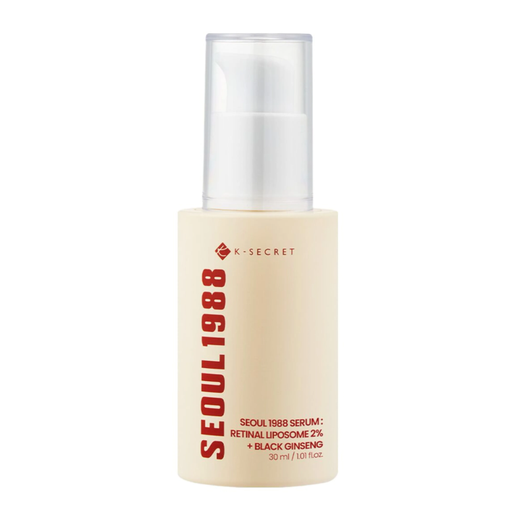
Why this product suits this profile: For buyers looking for a Korean face serum with several clearly named active ingredient groups and a gradual usage schedule.
The product details list retinal liposomes, bakuchiol, niacinamide, vitamin C and three peptides. The recommended gradual introduction reduces the risk of rushing into daily use.
30 ml contents, retinal liposomes according to the product name, plus patch-test guidance and instructions for gradual use.
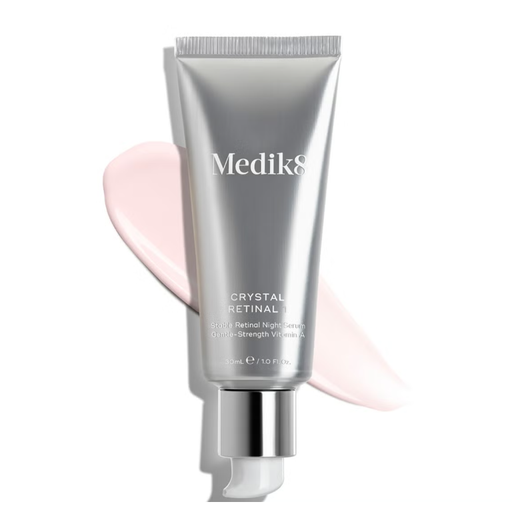
Why this product suits this profile: Suitable for buyers who prefer a retinal serum with a stated concentration and a gradual introduction routine.
The product description states 0.01% stabilised retinal and recommends initially applying it twice a week. This makes the dosage more transparent than a simple active-ingredient claim.
0.01% stabilised retinal according to the product details, with hyaluronic acid, glycerine and vitamin E in the formula.
We have put together a complete, regularly updated list of products that fully meet these strict selection criteria and the safety regulations applicable in the EU.
If you are pregnant, breastfeeding or undergoing dermatological treatment, you should seek medical advice before using vitamin A derivatives.
A serum for sensitive skin should have a reasonably simple formula and be free from unnecessary fragrances wherever possible. Centella, panthenol, ceramides and hyaluronic acid are often used in skin-barrier-focused skincare routines. New products should be introduced gradually.
The PAO symbol, best-before date and storage instructions on the packaging are the key factors. Light, heat and frequent opening can place additional stress on sensitive formulas. If the colour, smell or consistency changes, the product should no longer be used.
This depends on the specific formulas and how well your skin tolerates them. For beginners, it is sensible to test active ingredients separately at first. Retinol or retinal generally belong in your evening routine, while vitamin C and niacinamide are often used in the morning. The relevant manufacturer’s instructions and consistent sun protection are essential.