
Lieferung heute & morgen

Qualitätsgarantie

Willkommens-Angebote freischalten: KOSTENLOSE Lieferung | Bis zu 80 % RABATT | Kostenlose 30-Tage-JoyPlus-Testphase
App herunterladen
Wrinkles, dry skin, reduced elasticity or an uneven complexion can quickly make buying decisions feel confusing. Many products promise “visible results”, complex technologies or particularly high concentrations of active ingredients. However, making the right choice is not just about the marketing claim. What matters is whether the formulation, application and skin needs work well together.
An anti-wrinkle serum containing retinol, acids or vitamin C can be a useful part of a skincare routine. However, a high concentration also increases the risk of dryness or irritation. This is particularly important for sensitive or mature skin, where use should be introduced gradually. Tolerance also depends on the overall formula, not just one individual ingredient.
A hyaluronic acid face cream can hydrate the skin and make it appear smoother temporarily. This does not automatically mean that deep wrinkles will be permanently changed. Shoppers should distinguish between hydration, skin barrier care and targeted active-ingredient skincare.
UV radiation can contribute to premature skin ageing. A day cream with SPF is therefore practical, but depending on the amount applied, the time spent outdoors and the intensity of the light, it may not always replace a separately applied sunscreen. Applying enough product and reapplying regularly are important. Anyone using retinoids or fruit acids should pay particular attention to daily sun protection.
An anti-wrinkle face cream is generally suitable as the final step in your skincare routine. An anti-wrinkle serum is typically applied after cleansing and before your cream. An anti-ageing night cream may have a richer formula, while a day cream is lighter and comes with UV protection.
Masks and ampoules are useful when you want an additional treatment for a limited period. An anti-ageing skincare set can make choosing products easier, but should only be bought if the products included genuinely fit into your own skincare routine. Using several active products at the same time increases the risk of overloading your skin.
Before buying, it is worth checking:
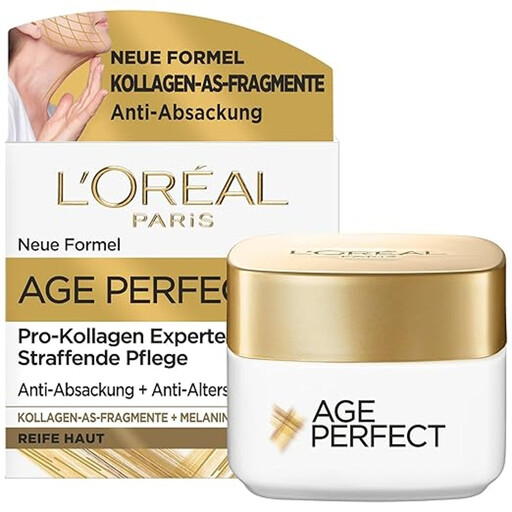
Why this product suits this profile: The 50 ml day cream is designed for a straightforward morning routine and contains glycerin, niacinamide and peptides, among other ingredients.
The product description clearly states how to use the product, its volume and its ingredients. However, separate sun protection should still be planned, as no SPF is specified.
Cream format, 50 ml capacity and morning application; the INCI list is provided directly.
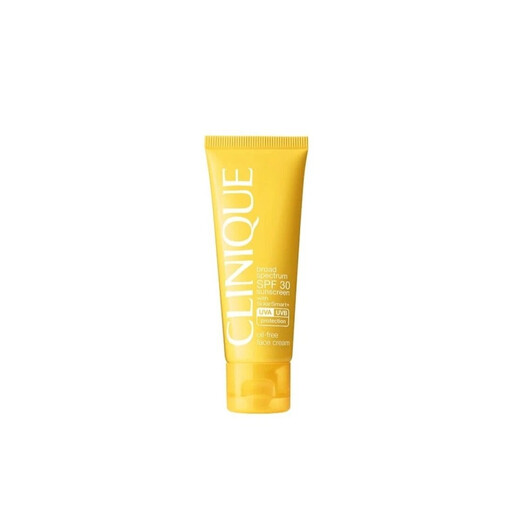
Why this product suits this profile: The day cream combines a face cream with specified SPF 30 and, according to the product details, is oil-free and intended for use on the face.
The sun protection factor is clearly specified rather than being presented merely as a general anti-ageing benefit. When spending longer in the sun, applying enough product and reapplying remain important.
50 ml capacity, SPF 30, mineral and classic UVA/UVB filters according to the product description.
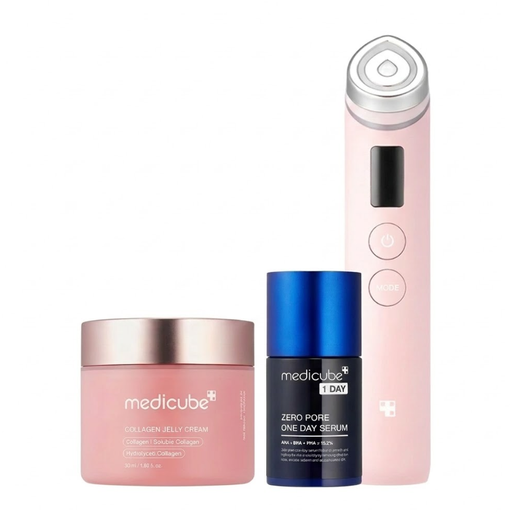
Why this product suits this profile: The set contains a beauty device, a 50 ml cream and a 30 ml serum, making it suitable for people with a multi-step skincare routine.
The components included are listed individually. Before buying, check whether using the additional device fits into your routine in terms of time and technical requirements.
Combination of device, cream and serum; specific product sizes are stated.
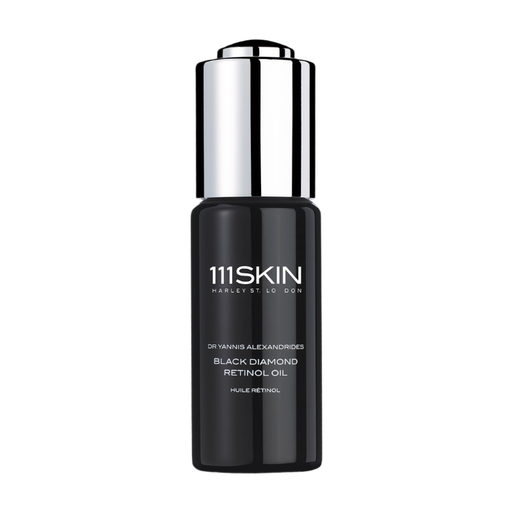
Why this product suits this profile: According to the product details, this facial oil contains a blend of retinol and Granactive Retinoid, along with several oils, and is intended for evening use.
The recommended introduction is two to three evenings per week. This makes it easier to monitor tolerance than starting daily without guidance.
We have put together a complete, regularly updated list of products that fully meet these strict selection criteria and the safety regulations applicable in the EU.
In the morning: cleanse, apply serum, use face cream and then apply suitable sun protection. In the evening: cleanse, apply an active-ingredient serum or retinol product, followed by a suitable night cream. New products should be introduced one at a time, making it easier to identify any potential reactions.
The best-before date and the PAO symbol on the packaging are key. For example, “12M” means twelve months after opening. Products should be stored according to the instructions and should no longer be used if their smell, appearance or feel on the skin changes.
A simple routine can consist of a cleanser, moisturiser and SPF 30 sun protection for the face. A serum or mask is optional. What matters is not the number of products, but whether the formulations are well tolerated, used regularly and do not create unnecessary overlaps between active ingredients.