
Lieferung heute & morgen

Qualitätsgarantie

Willkommens-Angebote freischalten: KOSTENLOSE Lieferung | Bis zu 80 % RABATT | Kostenlose 30-Tage-JoyPlus-Testphase
App herunterladen
Fine lines, dry skin and a loss of firmness are common reasons to look for new anti-ageing facial care. The range extends from classic anti-wrinkle cream and anti-ageing serum to concentrated retinal treatments. However, a high price, eye-catching packaging or far-reaching marketing claims alone say little about whether a product is right for your skin and skincare routine.
Retinol, retinal, acids, vitamin C and peptides can all have a place in a skincare routine. However, if you start several intensive products at the same time, it becomes difficult to identify the cause of any potential reaction. A gradual introduction is particularly advisable with a retinol cream or retinal serum.
A dry skin surface can make fine lines appear more visible. A hyaluronic acid cream or a rich night cream for wrinkles can improve how your skin feels and provide hydration. However, this does not automatically mean that deep wrinkles will be permanently changed.
Terms such as ‘firming’, ‘rejuvenating’ or ‘clinically proven’ should be considered alongside the specific product information. Important details include the ingredient list, concentration information, directions for use, warnings and pack size. The phrase ‘suitable for all skin types’ does not rule out an individual intolerance either.
For beginners, a simple face cream for wrinkles containing humectants such as glycerin, squalane or hyaluronic acid may be easier to incorporate into a routine. Peptides are often found in a peptide cream or serum. In product information, they are usually listed as individual peptide compounds or as a peptide complex.
Retinol and retinal are vitamin A derivatives. Retinal is not automatically more suitable for every skin type simply because product descriptions refer to it as particularly active. If your skin is sensitive or not yet accustomed to active ingredients, start with a small amount at a low frequency. Products containing vitamin A derivatives are generally used in the evening; during the day, suitable sun protection should be part of your routine.
Dry or mature skin often benefits from a combination of hydration and replenishing ingredients. Moisturiser for mature skin may contain glycerin, shea butter, oils, ceramides or hyaluronic acid, for example. Lightweight gel creams are more suitable for people who quickly notice a sticky or heavy feeling on their skin.
For combination skin, texture should be chosen according to the individual areas of the face, not just age. A serum can be applied precisely where needed, while a richer cream can be used only on dry areas.
Perfume, essential oils and certain fragrance ingredients that must be declared may be relevant for people with sensitive skin. Before applying a product over a larger area, it is advisable to carry out a patch test on a small area of skin. If redness, stinging, itching or flaking persists, discontinue use.
You should also check the fill quantity and recommended application. A 15-ml serum and a 50-ml cream cannot be compared based on purchase price alone. If a product contains light-sensitive ingredients, store the packaging promptly and securely closed after use. The current ingredient list on the packaging is the authoritative one, as formulations may change.
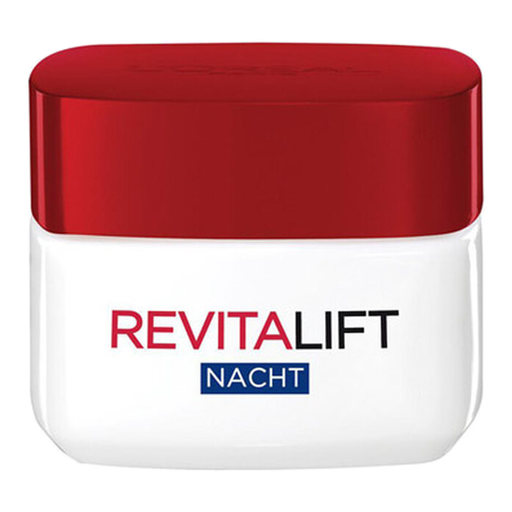
Why this product suits the profile: This night cream combines a classic cream texture with glycerin and Pro-Retinol A. It is suitable for people who prefer a straightforward evening routine rather than several separate steps.
Using it in the evening reduces the risk of applying a vitamin A product without a suitable daytime routine. Check the full ingredient list and warnings before buying.
50 ml, glycerin as a humectant and Pro-Retinol A in a night-care formula.
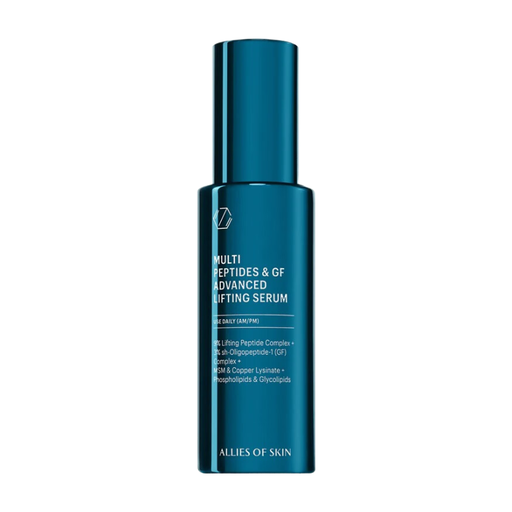
Why this product suits the profile: According to the product information, this serum contains a 3% growth factor complex and a 9% peptide complex. It is aimed at users looking specifically for a serum for the face, eye area and neck.
The active ingredient groups are clearly named. This makes it easier to compare your choice with products you already use before unnecessary overlaps occur.
50 ml serum with peptides, phospholipids, glycerin and other nourishing ingredients.
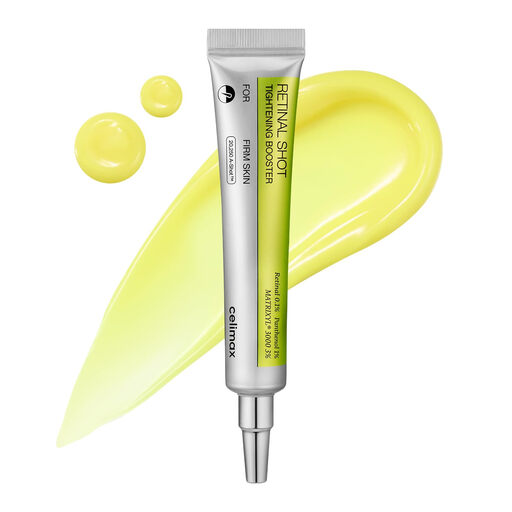
Why this product suits the profile: According to the product information, this booster contains 0.1% encapsulated retinal as well as a peptide complex. It is intended for people who already have experience with active ingredients and want to use a small amount precisely where needed.
The recommended gradual introduction makes it clear that a concentrated retinal product should not be used like an ordinary day cream.
15 ml, 0.1% retinal according to the product description, plus panthenol and niacinamide in the formula.
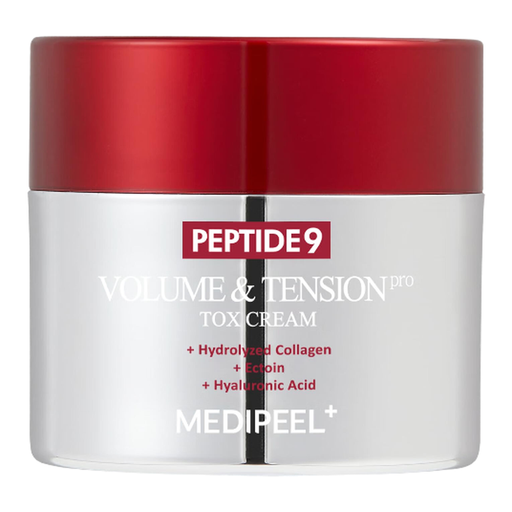
Why this product suits the profile: This rich K-Beauty cream combines peptides, collagen, panthenol and several forms of hyaluronic acid. It suits an evening routine focused on comfort and hydration.
The creamy texture makes its nourishing character clear. If you prefer lightweight formulas or are prone to blemishes, consider the rich base before buying.
50 g, peptide complex, collagen, Sodium Hyaluronate and Centella Asiatica extract according to the product information.
We have put together a complete, regularly updated list of products that fully meet these strict selection criteria and the safety regulations applicable in the EU.
In the morning, cleansing, serum or moisturiser and sun protection are generally enough. In the evening, follow with cleansing, a selected serum and a cream. Start with as few products as possible and introduce new active ingredients one at a time. A retinol or retinal product should initially be used on only a few evenings each week.
This depends on the fill quantity, texture and amount used. A 50-ml cream can last several weeks to several months when used sparingly each day. With a 15- or 30-ml serum, the amount used per application is particularly important. The jar or tube should be closed after every use; you should also check the expiry date and the period-after-opening symbol on the packaging.
A higher price is not reliable proof of a more suitable formula. Instead, compare the fill quantity, active ingredient information, texture, frequency of use and tolerance. For many people, a simple hyaluronic acid cream or peptide cream is a more sensible base than several intensive products bought at the same time. The key is to follow a routine regularly and in accordance with the product instructions.