
Lieferung heute & morgen

Qualitätsgarantie

Willkommens-Angebote freischalten: KOSTENLOSE Lieferung | Bis zu 80 % RABATT | Kostenlose 30-Tage-JoyPlus-Testphase
App herunterladen
Fine lines, dry skin, reduced elasticity or a dull complexion can quickly lead to an overcomplicated skincare routine. Yet a high price, eye-catching packaging or words such as “revolutionary” reveal little about whether anti-ageing facial skincare is right for your skin type. The following criteria will help you assess marketing claims and avoid disappointing purchases.
An anti-ageing cream may focus on hydration, skin comfort or the visible smoothing of dry lines. That is not the same as skincare containing retinol, peptides or niacinamide. Always check the INCI list and make sure the relevant ingredients are actually included.
The concentration is also important for retinol products. A clearly stated amount such as 0.2% time-release retinol makes choosing easier than a general description such as “vitamin A skincare”.
A retinol serum, an exfoliant, vitamin C skincare and a heavily fragranced cream can place unnecessary stress on the skin when used together. Introducing products gradually is particularly advisable for sensitive or dry skin. It is easier to assess one active product supported by a simple moisturiser.
Hyaluronic acid, glycerine and panthenol can hydrate the skin. This can temporarily make fine lines caused by dryness appear less noticeable. However, this kind of visible smoothing should not be confused with a lasting change to the skin’s structure. The term skin firming should therefore always be considered in the context of the specific product description.
Different product categories may be suitable for a targeted routine:
A weakened skin barrier often shows as dryness, tightness or increased sensitivity to skincare products. Ceramides, squalane, shea butter, glycerine and panthenol are typical ingredients that may indicate a barrier-supporting formula.
A richer facial cream for mature skin is often suitable for dry skin. Lightweight gel creams or serums may feel more comfortable if you prefer a low-oil texture. For sensitive skin, it is worth checking the fragrance ingredients and declarable fragrance allergens.
Retinol and certain plant extracts are sensitive to light and air. Light-protective packaging, a tightly closing lid and clear information about shelf life and batch number are practical indicators of quality. Also compare the price per millilitre, as a small jar may run out more quickly with daily use than a larger serum.
Cosmetics sold in the European Union must comply with the requirements of the EU Cosmetics Regulation (EC) No 1223/2009. Nevertheless, the complete ingredients list on the packaging remains the deciding reference, as formulas can change.
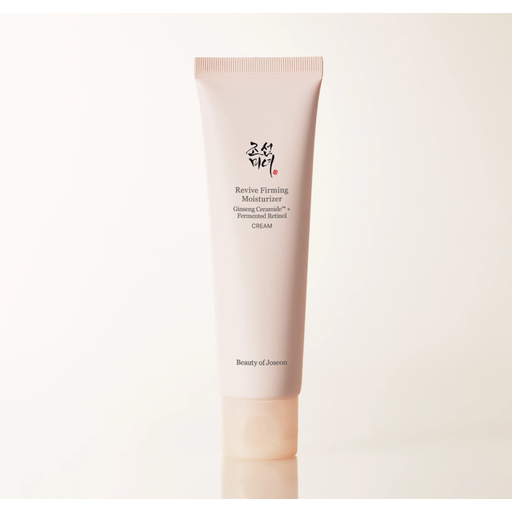
Why this product suits the profile: This gel cream combines fermented retinol with Ginseng Ceramide and provides 60 ml for a straightforward daily routine.
The product description explicitly names retinol and describes the formula as a lightweight, non-sticky gel cream.
60 ml content, a retinol formula and a ceramide component. According to a clinical study by Beauty of Joseon involving 22 people, changes in elasticity, fine lines and skin texture were reported after four weeks.
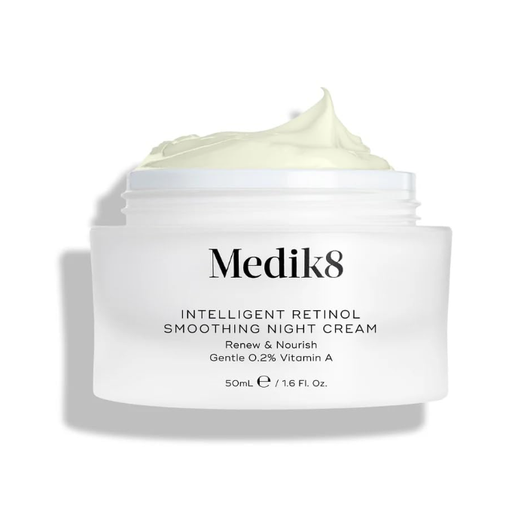
Why this product suits the profile: This night treatment clearly states that it contains 0.2% time-release retinol, as well as vitamin E, squalane and sodium hyaluronate.
The concentration and a specific step-by-step plan for retinol beginners are provided in the product information.
50 ml content and time-release retinol. The formula is described as a fast-absorbing night cream.
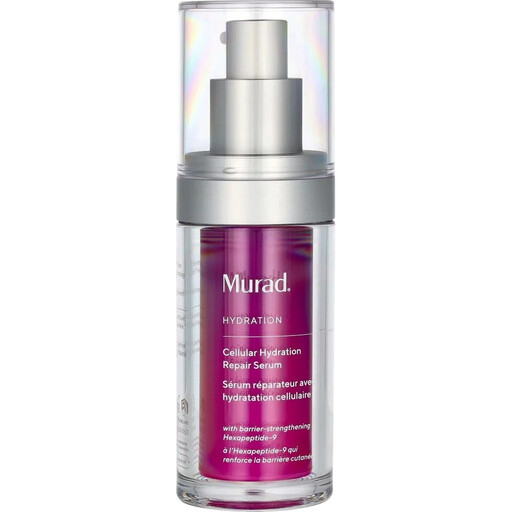
Why this product suits the profile: This serum is aimed at people who primarily want to add hydration and barrier-supporting skincare to their morning and evening routines.
Rather than making an unexplained anti-ageing claim, the product description names ingredients such as hyaluronic acid, urea, omega fatty acids and hexapeptide-9.
Serum texture, 30 ml content and a formula containing squalane, avocado oil and sodium hyaluronate crosspolymer.
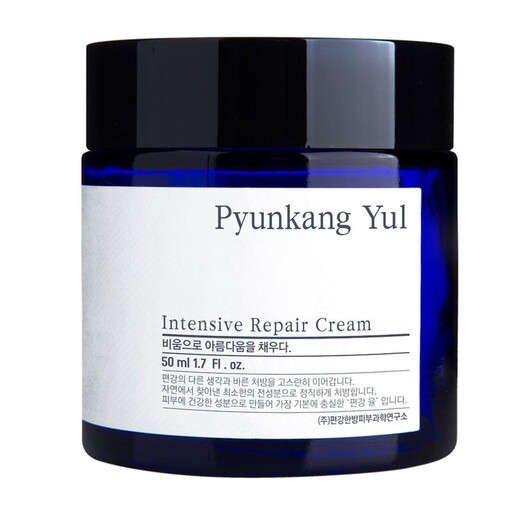
Why this product suits the profile: This Korean facial skincare combines ceramides, shea butter, macadamia oil and peptides for a rich routine for dry skin.
Its focus is clearly on hydration and barrier care rather than an exclusively active anti-ageing formula.
50 ml content, ceramide NP, copper tripeptide-1 and a texture described in the product information as lightweight for very dry skin.
We have put together a complete, regularly updated list of products that fully meet these strict selection criteria and the safety regulations applicable in the EU.
A straightforward order makes it easier for your skin to tolerate the products:
New products should first be tested on a small area of skin. If redness, burning or irritation persists, stop using the product and seek medical advice if needed. Retinol products should not be applied to broken or irritated skin.
Start with a gentle moisturiser without an unnecessarily high number of active ingredients. Ceramides, glycerine, panthenol or squalane can provide a suitable base. Retinol should be introduced gradually. If you know your skin is sensitive, take particular care to check for fragrances and essential oils.
The best-before date and the open-jar symbol on the packaging are the key references. Store your skincare in a dry, cool place away from direct sunlight. If the smell, colour or consistency changes, stop using the product.
Not necessarily. An anti-ageing serum is usually lighter and focuses on specific ingredients, while a cream also nourishes the skin’s surface and can help lock in moisture. For dry or mature skin, using both may be beneficial; if your skin is uncomplicated, a well-chosen single product may be enough.