
Lieferung heute & morgen

Qualitätsgarantie

Willkommens-Angebote freischalten: KOSTENLOSE Lieferung | Bis zu 80 % RABATT | Kostenlose 30-Tage-JoyPlus-Testphase
App herunterladen
Fine lines, dry skin or an uneven complexion don’t automatically mean you need a complicated skincare routine. More often, the problem comes from an unsuitable combination of active ingredients, using products too frequently or choosing a cream whose texture doesn’t suit your skin day to day. If you’re looking to buy anti-ageing facial skincare, don’t just look for claims such as ‘firming’ or ‘wrinkle care’. Check the INCI list, concentrations and directions for use too.
Retinol, retinal, peptides, PDRN and hyaluronic acid are often prominently featured in marketing. But simply naming an active ingredient tells you little about its concentration, stability or how well it may suit your skin. A retinol serum or retinal serum may not be suitable for beginners, especially if you’re also using other potent exfoliants.
Well-hydrated skin can look temporarily smoother. That’s not the same as a lasting change to the skin’s structure. Claims about reducing wrinkles should therefore be understood as cosmetic descriptions of how the skin looks, not as medical effects.
A rich anti-wrinkle cream may feel comfortable on dry skin, but heavy on oily or blemish-prone skin. Conversely, a light gel cream may not be enough on its own if your skin is very dry. Fragrance and essential oils are also worth checking if you have sensitive skin.
With a retinol serum or retinol cream, the concentration and recommended frequency of use should be clearly stated. Retinal is processed differently in the skin from retinol and is considered an active vitamin A derivative. That doesn’t automatically mean it will be better tolerated. Start with a small amount and use it only a few times a week.
Peptides, niacinamide and adenosine can complement a formulation. Their position in the INCI list offers a rough indication of how much is included, but it doesn’t replace a full product assessment.
For moisturising skincare for mature skin, ingredients such as glycerin, hyaluronic acid, panthenol, squalane, ceramides and plant oils can be useful. Ceramides and cholesterol are often used in formulations designed to support the skin barrier. If your skin is dry, it’s also important to combine humectants with emollient ingredients.
Test new products on a small area of skin first. Vitamin A derivatives are generally used in the evening. In the morning, make sure you apply adequate sun protection, as your skin may become more sensitive to the sun. Don’t use retinol or retinal during pregnancy or while breastfeeding without first seeking medical advice. If redness, stinging or significant flaking persists, stop using the product and seek medical advice if necessary.
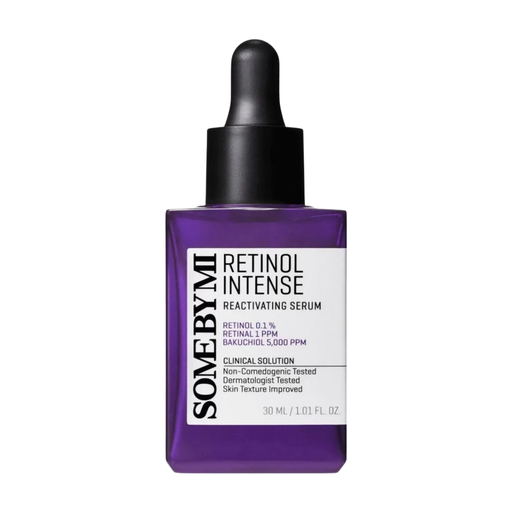
Why this product suits this profile: The combination of retinol, retinal and bakuchiol is aimed at people who want to explore Korean skincare with vitamin A derivatives gradually. The manufacturer lists 0.1% retinol, 1 ppm retinal and 5,000 ppm bakuchiol.
The concentration details make it easier to assess the formula. Introducing it gradually as recommended helps reduce the risk of overuse, but doesn’t replace a patch test.
Light emulsion, panthenol, niacinamide and ceramide NP in the stated formula.
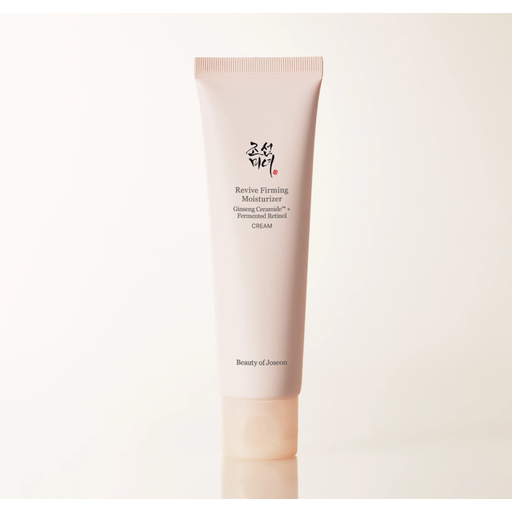
Why this product suits this profile: This gel cream combines everyday skincare with fermented retinol and ginseng ceramide. It may appeal if you’d like to combine a serum and face cream for wrinkles in one lighter step.
The texture is clearly described and isn’t designed to feel like a heavy balm. That makes it easier to work into a regular routine.
Described as non-comedogenic, with a light gel-cream texture and details of a clinical study.
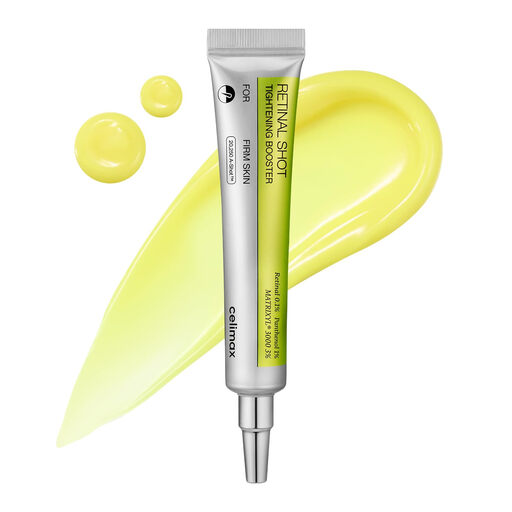
Why this product suits this profile: According to the product details, this booster contains 0.1% encapsulated retinal and is designed for targeted use on visible pores and fine lines.
Using a small amount in the evening helps prevent the active ingredient from being combined indiscriminately with other exfoliants.
Retinal, panthenol, niacinamide and peptides in a concentrated 15 ml formula.
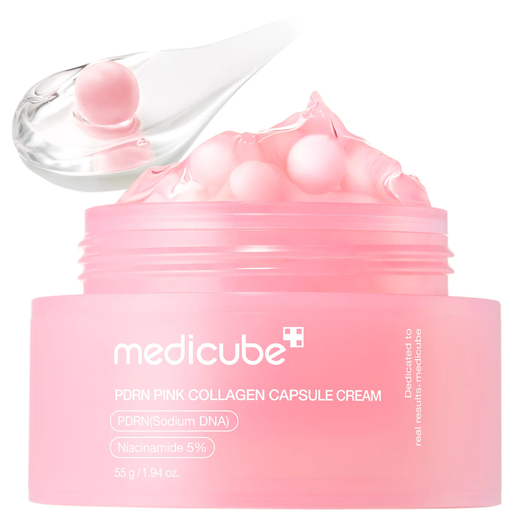
Why this product suits this profile: This gel cream with hyaluronic acid, niacinamide and ceramide NP may suit people who mainly want hydration and a comfortable texture for everyday use.
The formula doesn’t contain retinol or retinal, making it easier to combine with a separate active skincare product introduced gradually.
Several forms of hyaluronic acid, niacinamide and a gel-cream texture, according to the product details.
Beauty of Joseon notes that its clinical study of 22 people aged 41 to 68 reported changes in skin elasticity, fine lines and skin texture, among other results, after four weeks. These findings relate to the study cited and may not apply to everyone.
We’ve put together a complete, regularly updated list of products that meet these strict selection criteria and fully comply with the safety regulations in force in the EU.
Both are vitamin A derivatives and should be introduced gradually. For beginners, the active ingredient’s name isn’t the only thing that matters: look for a clearly stated concentration, straightforward directions and a step-by-step approach to use. A gentle serum or retinol cream used a few times a week may be more practical than a highly concentrated booster.
Check the best-before date, batch number and the period-after-opening symbol on the packaging. Vitamin A products should be kept tightly closed, somewhere cool and away from light. If the smell, colour or consistency changes, stop using the product.
Yes, as long as you take the active ingredients and your skin’s tolerance into account. You can apply a hydrating serum under a firming face cream. However, don’t combine retinol or retinal with strong acids, highly concentrated vitamin C or other retinoids in the same routine without checking that it’s suitable.