
Lieferung heute & morgen

Qualitätsgarantie

Willkommens-Angebote freischalten: KOSTENLOSE Lieferung | Bis zu 80 % RABATT | Kostenlose 30-Tage-JoyPlus-Testphase
App herunterladen
An anti-ageing night cream should moisturise dry skin, improve how it feels and make visible lines appear less noticeable. However, choosing the right product is not always easy: similar packaging often promises very different skincare concepts. What matters is therefore not just terms such as “lifting”, “regeneration” or “filler”, but the specific formulation, texture and intended area of application.
Hyaluronic acid, Q10, peptides and bakuchiol are common ingredients in anti-wrinkle night creams. However, their presence does not automatically mean that deep wrinkles will disappear or that the skin will remain firm. Cosmetic products can care for the skin and influence the appearance of dehydration lines. They cannot guarantee a specific result.
Shea butter, squalane, oils and rich moisturising ingredients can feel pleasant on dry skin. On combination or oily skin, however, a very rich night cream can feel heavy on the face. If you are prone to blemishes, test the product on a small area of skin first and check the product description for information about comedogenicity.
Not every night cream is specifically intended for use on the face and neck. If you would also like to use a facial moisturiser overnight on your neck, check the application instructions. For the products listed below, the intended area of use has been assessed based on the available product information.
For a moisturising night cream, glycerine, hyaluronic acid and panthenol are relevant ingredients. Hyaluronic acid binds water in the upper layer of the skin and is often used in formulations designed to create a plumper-feeling complexion. A hyaluronic acid night cream may therefore be worth considering if your skin is dry or lacking in moisture.
Q10, vitamin C derivatives and plant extracts are often combined in a Q10 night cream. Peptides, meanwhile, are typical ingredients in formulations designed to promote a smoother, firmer-looking complexion. Bakuchiol is positioned as an alternative to retinol. Regardless of the active ingredient, individual skin tolerance remains crucial.
A night cream for dry skin can usually have a richer formulation than a lightweight moisturiser for combination skin. Look out for:
The complete INCI list on the packaging is the deciding factor, as formulations can change. If you have sensitive skin, pay particular attention to fragrances and any known personal triggers. Avoid the eye area and mucous membranes. If redness, stinging or persistent irritation occurs, stop using the product.
The following recommendations are organised according to different buyer profiles. The categorisation is based on the stated active ingredients, texture description, volume and intended area of use.
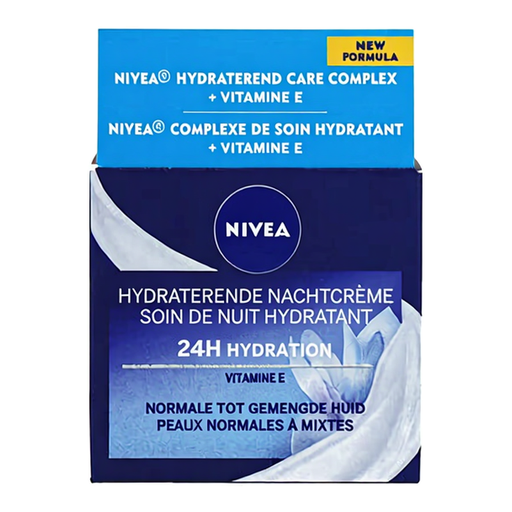
Why this product suits the profile: This cream is designed for a daily evening routine and contains glycerine, shea butter and panthenol, among other ingredients. This makes it a straightforward option for anyone initially looking for a classic facial night cream focused on moisture.
Its straightforward active ingredient profile makes it less tempting to be guided solely by extensive anti-ageing claims. According to the stated INCI list, it contains fragrance, which should be taken into account if you have sensitive skin.
50 ml; designed for daily use on the face, neck and décolleté according to the product information; glycerine and panthenol support the skin’s moisture care.
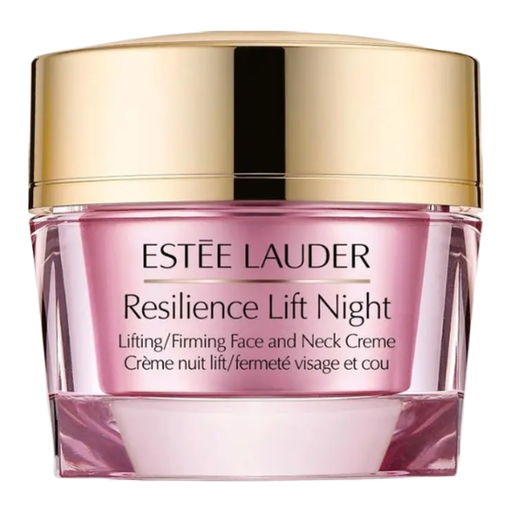
Why this product suits the profile: This rich moisturiser is specifically designed for the face and neck. The stated Tri-Peptide Complex, glycerine, shea butter and Sodium Hyaluronate will appeal to buyers who want to combine several skincare benefits in one evening routine.
The specific area of use and the technologies mentioned are clearly described. Before buying, compare the rich texture with your own preferences and skin type.
50 ml for the face and neck; tripeptides, humectants and barrier-supporting ingredients are listed in the stated formulation.
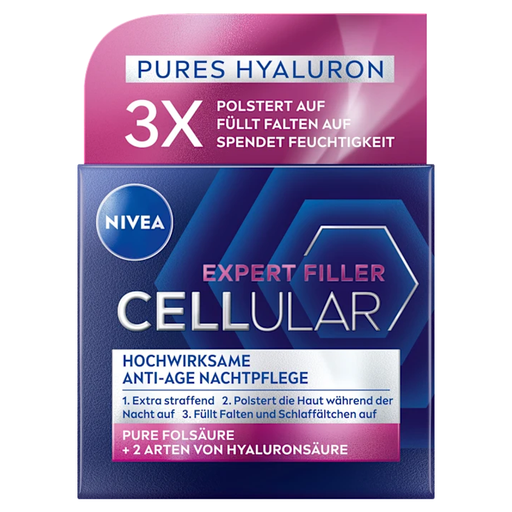
Why this product suits the profile: According to the product information, this formulation combines micro- and macro-hyaluronic acid with folic acid, shea butter and squalane. It is aimed at people who prefer a nourishing skincare feel for dry or demanding skin.
Rather than focusing solely on the term “filler”, you can examine the active ingredient profile in detail. According to the stated list, it contains perfume, which may be relevant for sensitive skin.
Dual hyaluronic acid, squalane and shea butter; designed for use on cleansed face and neck.
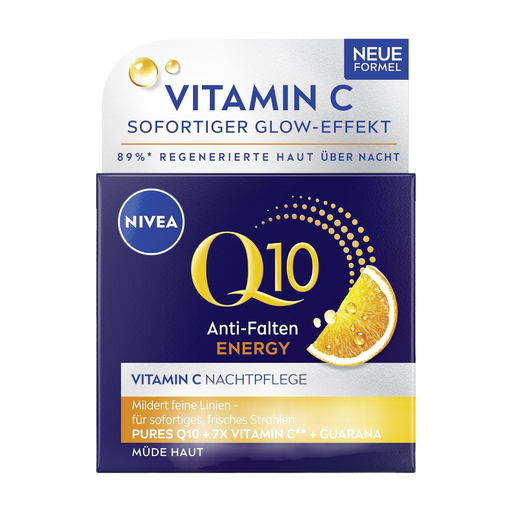
Why this product suits the profile: According to the product description, it contains Q10, a vitamin C derivative and guarana extract. Its lighter, nourishing texture may appeal to people looking for skincare to counter a tired or dull appearance.
The selection is based on the specifically listed ingredients rather than blanket claims about rejuvenation. If you are sensitive to fragrance, check the INCI list before buying.
Q10 and Sodium Ascorbyl Phosphate; 50 ml and designed for evening use on cleansed facial skin.
We have put together a complete, regularly updated list of products that fully meet these strict selection criteria and the safety regulations applicable in the EU.
Night care also does not replace sun protection during the day. UV radiation can contribute to visible skin ageing, so suitable sun protection should form part of your daytime facial skincare routine.
For dry skin, richer textures containing glycerine, hyaluronic acid, panthenol, shea butter or squalane may be suitable. The key is that the cream feels comfortable and does not contain any known personal triggers. A night cream for dry skin should be chosen based on its INCI list and texture, rather than solely on its marketing claims.
You may notice a change in how your skin feels after just a few applications. Claims about visible changes in the complexion generally require longer, regular use and vary from person to person. The timeframes stated on the packaging by the relevant manufacturer should not be understood as a guarantee.
Many products are designed for a daily evening routine. Nevertheless, if you have sensitive skin, it is advisable to introduce a product gradually, particularly when trying new combinations of active ingredients. If irritation occurs, stop using the product and seek medical advice if symptoms persist.