
Lieferung heute & morgen

Qualitätsgarantie

Willkommens-Angebote freischalten: KOSTENLOSE Lieferung | Bis zu 80 % RABATT | Kostenlose 30-Tage-JoyPlus-Testphase
App herunterladen
An anti-ageing night cream is designed to hydrate and nourish your skin as part of your evening skincare routine. Products can vary considerably in their active ingredients, texture, fragrance, suitability and price. If you focus only on words such as “Lifting”, “Renewal” or “Rejuvenating” on the packaging, you could easily end up with a product that doesn’t meet your needs.
A luxury night cream may offer a pleasant texture and sophisticated packaging. But that doesn’t automatically mean it will suit every skin type better. The ingredients list, directions for use and your skin type are what matter.
For example, glycerin, shea butter, squalane or hyaluronic acid may be worth considering if you have dry skin. If you’re looking for a targeted retinoid treatment, it’s important that the retinol concentration is clearly stated.
Terms such as firming night cream, “Anti-Wrinkle” or “Firming” are generally cosmetic product claims. A cream may make the surface of your skin look smoother or temporarily leave dry skin looking plumper. You shouldn’t assume this will lead to a lasting change in deeper wrinkles.
A retinol night cream isn’t necessarily suitable for daily use from the very first evening. Retinol can irritate your skin and increase sensitivity to light. If you’re new to retinol, it’s best to start gradually. Use a suitable sunscreen during the day. If your skin is sensitive or already irritated, take particular care to check how well you tolerate the product before using it.
Start by checking which ingredients are actually included:
A rich cream is often a better fit for dry or mature skin, while lighter gel or lotion textures may feel more comfortable on combination skin. “For all skin types” is the manufacturer’s guidance, but it doesn’t guarantee that a product will suit your skin.
Also check for perfume and fragrance allergens that must be declared. For example, several of the formulations featured here contain limonene, linalool or geraniol. If your skin is prone to irritation, check the packaging before you buy.
Night cream is usually applied to the face and neck, and sometimes the décolletage, after cleansing. Don’t use significantly more than the recommended amount. Too much product can leave your skin feeling sticky or weighed down.
If you’re using active ingredients such as retinol or acids, it’s best to introduce them gradually. When choosing an anti-wrinkle night cream, also check the best-before date or the guidance on how long it can be used after opening, as well as the batch number on the packaging. Store cosmetics in a cool, dry place away from direct sunlight.
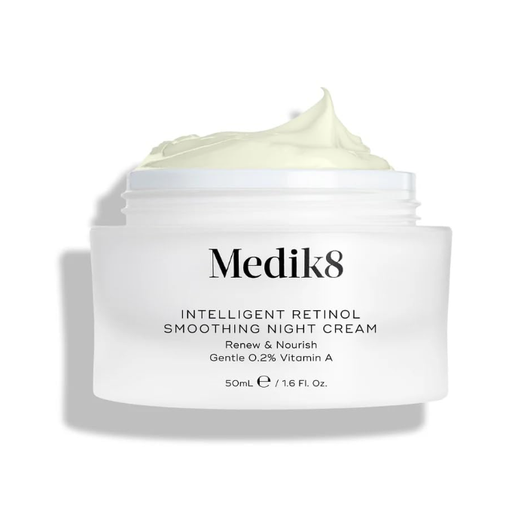
Why it suits this profile: The stated concentration of 0.2% time-release retinol and the gradual introduction make this formulation a good option for anyone looking to explore retinol skincare in a structured way.
The amount of retinol is clearly stated. The manufacturer also recommends introducing it gradually, using sunscreen during the day and stopping use if irritation occurs.
0.2% time-release retinol, vitamin E, squalane and sodium hyaluronate; described in the product information as a fast-absorbing cream.
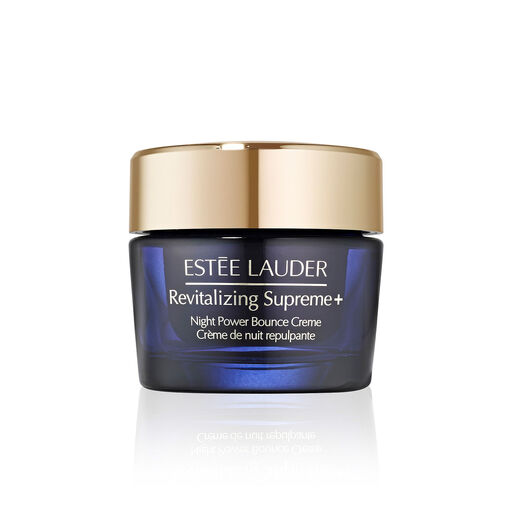
Why it suits this profile: Its rich texture and claims that it is fragrance-free and paraben-free will appeal to shoppers who value comfort and a generous size.
The choice isn’t based solely on the term “anti-ageing”, but also on the texture, fragrance information, product size and ingredients listed.
75 ml; moringa and hibiscus extracts, glycerin and sodium hyaluronate; described as fragrance-free and paraben-free.
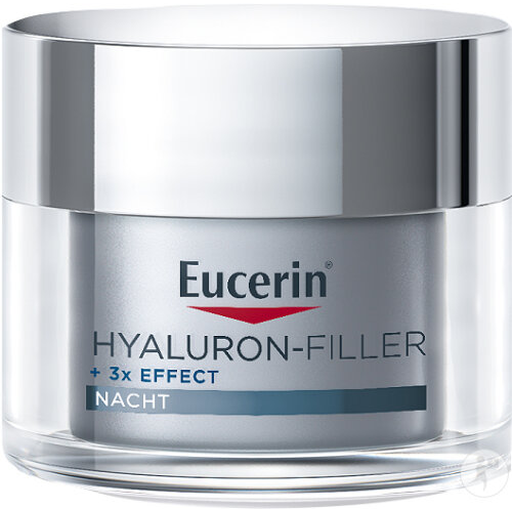
Why it suits this profile: This formulation is aimed at people looking for a daily night cream that hydrates and leaves skin feeling cared for, without retinol.
The key ingredients are clearly listed: hyaluronic acid, dexpanthenol and glycerin. This makes it easier to see how the cream matches your needs.
Hyaluronic acid, saponin, enoxolone and concentrated dexpanthenol, according to the product information; designed for the face, neck and décolletage.
We’ve put together a complete, regularly updated list of products that meet these strict selection criteria and fully comply with the safety regulations in force in the EU.
Richer textures containing glycerin, shea butter, squalane or hyaluronic acid are often worth considering for dry or mature skin. The key is to choose a cream that feels comfortable and doesn’t trigger any known sensitivities. A rich night cream may feel too heavy on oily skin.
It depends on the concentration, your individual skin and the manufacturer’s directions. If you’re new to retinol, start with just a few applications a week. If your skin tolerates it well, you can gradually increase how often you use it. Sunscreen is important during the day. If you have sensitive skin or an existing skin condition, it may be worth seeking advice from a dermatologist.
With daily use, a 50 ml jar should last anywhere from several weeks to a few months, depending on how much you apply. A pea-sized amount, or the amount recommended by the manufacturer, is usually enough for the face. Storage, the product’s shelf life after opening and how you use it will all affect how long it lasts.