
Lieferung heute & morgen

Qualitätsgarantie

Willkommens-Angebote freischalten: KOSTENLOSE Lieferung | Bis zu 80 % RABATT | Kostenlose 30-Tage-JoyPlus-Testphase
App herunterladen
The search for an effective anti-ageing serum can quickly feel overwhelming. The market is flooded with products promising instant rejuvenation. However, not every serum that makes lofty claims delivers long-term results. As your Joybuy Product Recommendation Officer, I'm here to help you identify the key quality indicators and avoid common purchasing traps.
Many users invest in expensive serums only to find that they have no effect or irritate their skin. This is often due to a few common problems:
To make an informed decision, it's crucial to look past the marketing and focus on the facts.
Before you add a product to your cart, you should check three core parameters. These will help you objectively evaluate a serum's effectiveness and find a product that suits your skin's needs.
The most important factor is the active ingredient that targets a specific skin concern. However, it's not just about which active is included, but also in what form and concentration.
A potent active ingredient is of little use if it can't reach its target in the skin. The overall formulation is crucial for stability and absorption.
Instead of making a one-size-fits-all recommendation, we have selected products tailored to specific user profiles and their skin goals.
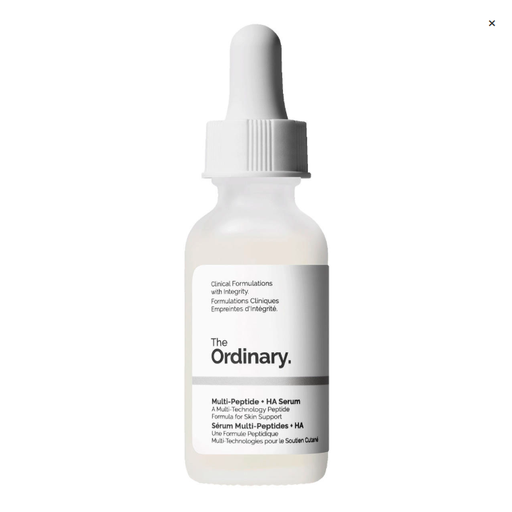
Why this product is a good fit: Ideal for those looking to add a first serum for wrinkles to their skincare routine. It focuses on hydration and softening the first signs of dryness and expression lines without overwhelming the skin with overly potent actives.
Instead of relying on a single "miracle ingredient," it combines several well-researched peptide technologies with hyaluronic acid complexes. The transparent ingredient list avoids the "ingredient bait" effect.
Offers a versatile approach that targets skin elasticity, moisture, and the reduction of various signs of ageing. The formulation is water-based and well-tolerated by most skin types.
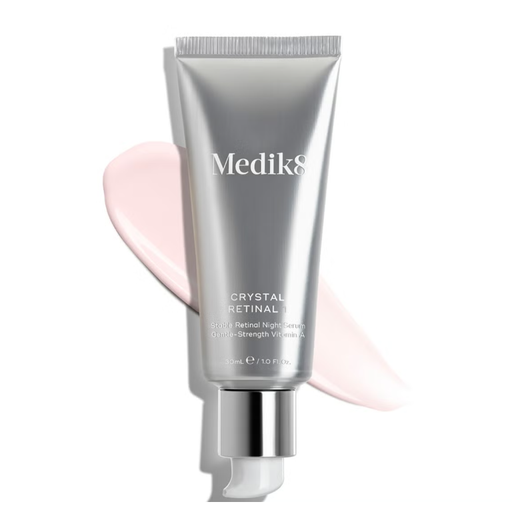
Why this product is a good fit: For users who already have experience with retinoids and are seeking higher efficacy in reducing wrinkles and improving skin firmness. It is a targeted retinol serum for nighttime use.
This serum bypasses the trap of unstable formulations by using stabilised, encapsulated retinal. This advanced form of Vitamin A is released in a controlled manner, which minimises irritation potential and maximises stability.
Uses retinal, a form of Vitamin A that, according to the manufacturer, works up to 11 times faster than conventional retinol. The formula also contains hyaluronic acid and Vitamin E to hydrate the skin and counteract dryness.
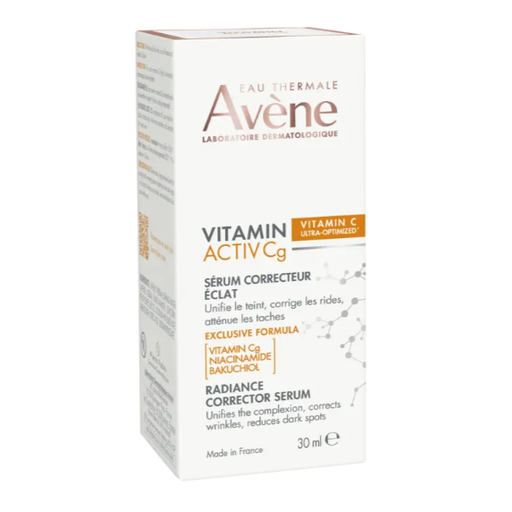
Why this product is a good fit: Specifically for users whose main concerns are an uneven skin tone, dullness, or visible dark spots. It is also a great choice for those with sensitive skin looking for an effective Vitamin C serum.
Instead of relying on a single active, it combines three dermatological ingredients: a stable Vitamin C derivative (Vitamin Cg), Niacinamide to reduce spots, and Bakuchiol as a plant-based alternative to retinol. This synergy is more sophisticated than a simple high-dose formula.
A multi-functional formula that simultaneously targets radiance, wrinkles, and dark spots. According to the manufacturer, the product has been tested on sensitive skin and is made of 94% ingredients of natural origin.
We have compiled a complete, up-to-date list of products that fully meet these strict selection criteria.
1. How long does it take to see results from an anti-ageing serum? Visible results depend on the active ingredient and your skin's condition. Hydrating ingredients like hyaluronic acid can provide an immediate plumping effect. For actives that work at a cellular level, such as retinoids or peptides, patience is required. It can take 8 to 12 weeks to see a visible improvement in skin texture or a reduction in wrinkles, as the skin needs time for cell turnover and collagen production.
2. Can I use multiple serums at the same time? Yes, a practice known as "layering" is possible, but it should be done thoughtfully. A good rule of thumb is to apply serums from the thinnest to the thickest consistency. For example, apply a water-based serum (like hyaluronic acid) first, followed by a richer or oil-based serum. Avoid combining too many highly concentrated active ingredients (like retinol, high-dose Vitamin C, and strong acids) in the same routine to prevent skin irritation.
3. Do I need to wear sunscreen during the day when using a retinol or Vitamin C serum? Yes, absolutely. Active ingredients like retinoids and Vitamin C can make your skin more sensitive to light. Using a broad-spectrum sunscreen with at least SPF 30 (SPF 50 is better) is essential to protect your skin from UV damage and to avoid negating the positive effects of the serum. Without daily sun protection, using an anti-ageing serum is much less effective.