
Lieferung heute & morgen

Qualitätsgarantie

Willkommens-Angebote freischalten: KOSTENLOSE Lieferung | Bis zu 80 % RABATT | Kostenlose 30-Tage-JoyPlus-Testphase
App herunterladen
An anti-ageing serum can be a targeted addition to your daily facial skincare routine. However, choosing the right one can be challenging: terms such as “rejuvenating”, “firming” or “revolutionary” alone reveal little about the actual formulation. What matters is the complete ingredients list, the usage instructions and whether the product is suitable for your own skin type.
A facial serum for wrinkles is often advertised with visible results in a short period of time. Such claims generally come from studies conducted by the brand itself and cannot automatically be applied to everyone. According to a clinical study by NIVEA, certain results may be observed with the Cellular Epigenetics formulation. However, the study design, application period and group of people studied should also be taken into account.
A single active ingredient does not automatically make a product suitable. Glycerin, hyaluronic acid, squalane, ceramides, peptides, niacinamide, vitamin C and retinoids perform different functions in cosmetic skincare.
A lightweight hyaluronic acid serum can feel pleasant on dry or mature skin, but it does not necessarily replace a cream. Conversely, an oil-based serum may feel too rich on combination or oily skin. A luxurious facial serum with plant oils is therefore not automatically the right choice for every routine.
Fragrance, essential oils, alcohol, acids, retinol and highly concentrated vitamin C can cause redness or feelings of tightness on sensitive skin. Using several active products at the same time also increases the likelihood of overloading your skincare routine. With a retinol serum or vitamin C serum, it is particularly important to follow the manufacturer’s instructions. A patch test on a small area of skin may be advisable before the first application.
Ingredients are listed in order of concentration, although an ingredient appearing near the top of the list is not automatically better. Look out for known allergens and fragrance ingredients such as Limonene, Citronellol, Geraniol and Parfum. For very sensitive skin, a relatively short, fragrance-free formulation may be easier to incorporate into your routine.
Facial serums usually contain 30 ml, while some versions contain just 15 ml. A smaller bottle can be practical for an initial compatibility test, whereas 30 ml will last longer with daily use. Serums are usually applied after cleansing and before a cream. For products containing retinol, BHA or highly concentrated vitamin C, follow the relevant manufacturer’s instructions and use suitable sun protection during the day.
Similar principles apply to your hands. An anti-ageing hand cream or hand serum should also be assessed for comfort, the need for frequent reapplication and UV protection.
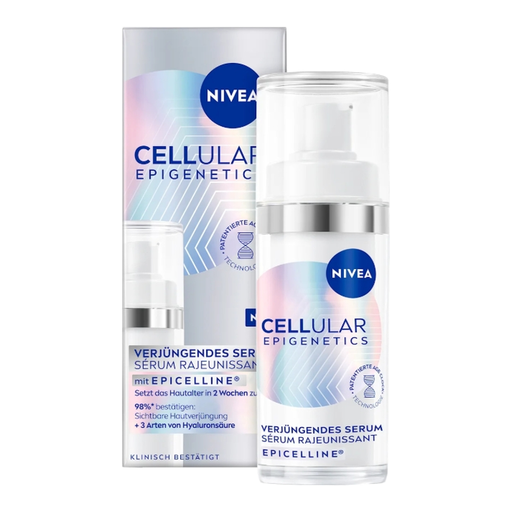
Why this product suits the profile: The 30 ml size and recommended morning and evening application make it easier to introduce a clearly structured facial skincare routine. According to the product description, the formula contains three forms of hyaluronic acid.
The product information names specific ingredients and usage instructions rather than relying solely on general anti-ageing terms. The eye area and possible reactions are addressed in the warnings.
Hyaluronic acid, glycerin, shea butter and squalane; suitable for all skin types.
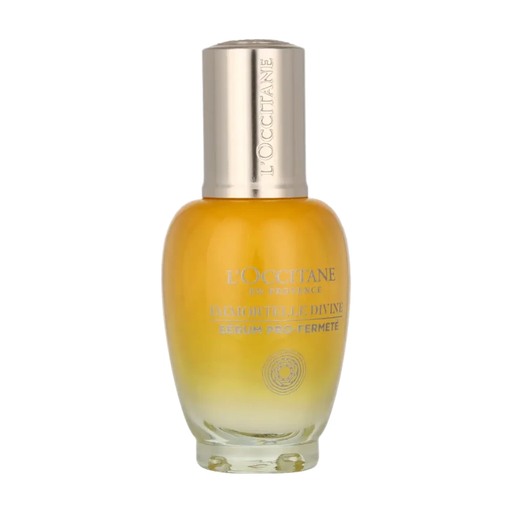
Why this product suits the profile: The formula combines plant oils, a hyaluronic acid derivative, a vitamin C derivative and adenosine. This appeals to shoppers looking for a nourishing texture and several clearly identified skincare ingredients.
The product description recommends applying it after toner and storing it away from heat and direct sunlight. This makes it easier to assess the routine and storage requirements realistically.
30 ml contents; plant oils, Sodium Acetylated Hyaluronate and Ascorbyl Glucoside according to the ingredients list.
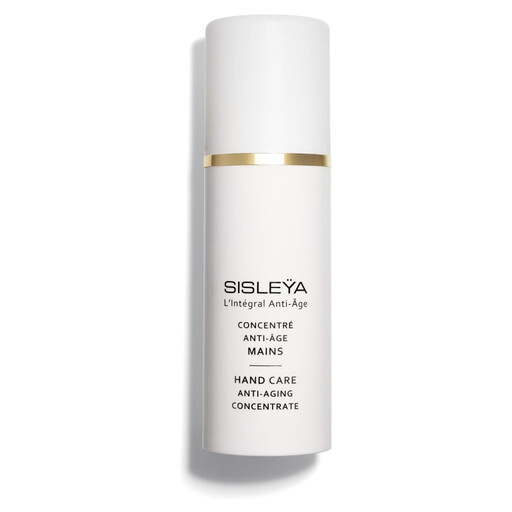
Why this product suits the profile: For shoppers who want to care for their hands as well as their face. The 75 ml size is suitable for regular use at home or on the go.
The stated SPF 30 makes UV protection a clearly identifiable part of hand care. This means shoppers do not necessarily need to plan for a separate product.
75 ml contents; SPF 30 according to the product description; care for visible dryness and uneven skin tone on the hands.
We have put together a complete, regularly updated list of products that fully meet these strict selection criteria and the safety regulations applicable in the EU.
If irritation, burning or pronounced redness persists, stop using the product. Cosmetic serums are not intended to treat dermatological conditions.
For dry skin, consider formulations containing glycerin, hyaluronic acid, panthenol, ceramides, squalane or plant oils. Applying a cream afterwards can help maintain a comfortable feeling on the skin for longer. Your choice should be based on skin compatibility and texture.
The printed best-before date and the PAO symbol on the packaging, such as “12M”, are the key points of reference. Products containing vitamin C or retinol should be protected from light and heat in accordance with the storage instructions. Changes in colour, smell or consistency may be a reason to stop using the product.
Combining them is generally part of some skincare routines, but the combination should be introduced gradually. Hyaluronic acid is often used for hydration, while retinol may have a higher irritation potential. Start by using them separately and follow the manufacturer’s instructions. If you have sensitive skin or existing skin concerns, dermatological advice may be advisable.