
Lieferung heute & morgen

Qualitätsgarantie

Willkommens-Angebote freischalten: KOSTENLOSE Lieferung | Bis zu 80 % RABATT | Kostenlose 30-Tage-JoyPlus-Testphase
App herunterladen
An anti-ageing serum is designed to complement your daily skincare routine. However, having a wide choice does not automatically make it easy to find the right formula. Terms such as “Lifting”, “Collagen Boost” or “Youth Restoring” often describe a product’s positioning, but on their own reveal little about its ingredients, suitability or use. If you want to buy a facial serum for wrinkles, you should therefore compare the formula with your own skin’s needs.
A collagen serum does not automatically contain collagen in a form that influences the body’s own processes. In products applied to the skin, its role as a conditioning and moisture-binding ingredient is particularly relevant. A “firming serum” may also primarily make the skin look smoother and better hydrated. The product name alone cannot be taken as evidence of a lasting change to wrinkles or skin structure.
Retinol, retinal, acids, fragrances and essential oils may not be suitable for everyone or may increase the risk of irritation when used frequently. A retinol serum should be introduced into your routine particularly gradually. If your skin is sensitive, reddened or damaged, it is best to proceed with caution. When using vitamin A derivatives during the day, sun protection should be part of your skincare routine.
A serum may come in a dropper bottle, pump dispenser or single-dose capsules. These differences affect dosage, hygiene and practicality in everyday use. A very lightweight texture is not necessarily suitable for dry skin, while a more oil-based product may feel less comfortable under make-up. Checking the fill volume, dispensing format, frequency of use and ingredients list helps prevent unsuitable purchases.
For dry or dehydrated skin, a hydrating serum containing glycerin, panthenol or hyaluronic acid, as well as nourishing oils, may be suitable. A hyaluronic acid serum can hydrate the skin’s surface, making it appear temporarily smoother. Collagen, peptides, adenosine and niacinamide are often used for skin that is losing firmness.
Important: the entire formula matters, not just one individual ingredient. If you know your skin is sensitive, check for fragrances such as parfum, limonene, linalool or geraniol. The INCI list currently shown on the packaging takes precedence, as formulas may change.
Retinol, retinal and retinyl palmitate are vitamin A derivatives, but they differ in their formulation and use. A retinol serum is generally applied in the evening to clean, dry skin. When starting out, applying it on two or three evenings per week may be sensible. If you experience burning, redness, flaking or itching, stop using the product temporarily.
The next morning, broad-spectrum sun protection is important. Products containing retinoids must not get into the eyes and should not be used on irritated or damaged skin. If skin reactions persist, seek dermatological advice.
A serum is generally used after cleansing and, if required, toner, followed by a moisturiser. For many fluid products, two or three drops are enough for the face and neck; however, the manufacturer’s instructions should always be followed. Check the expiry date, batch number and period-after-opening symbol. Products in 15 ml sizes are suitable for targeted or shorter routines, while 30 to 55 ml offers more flexibility for regular use.
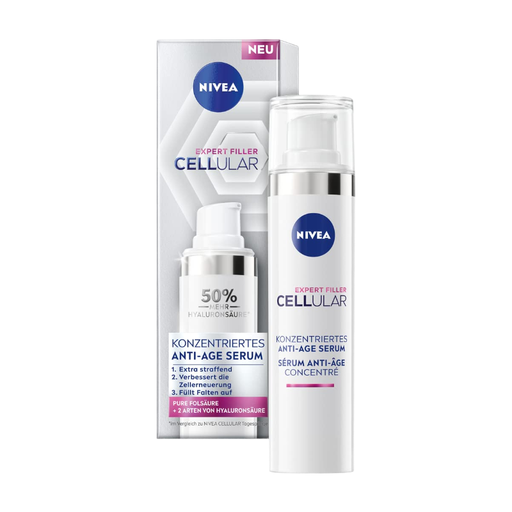
Why this product suits the profile: The 40 ml size and morning-and-evening application make it suitable for anyone looking for a straightforward serum for the face, neck and décolletage.
The formula lists hyaluronic acid and folic acid, along with clear dosage instructions, rather than relying solely on a promotional anti-ageing term.
40 ml; contains Sodium Hyaluronate and Glycerin for hydrating care.
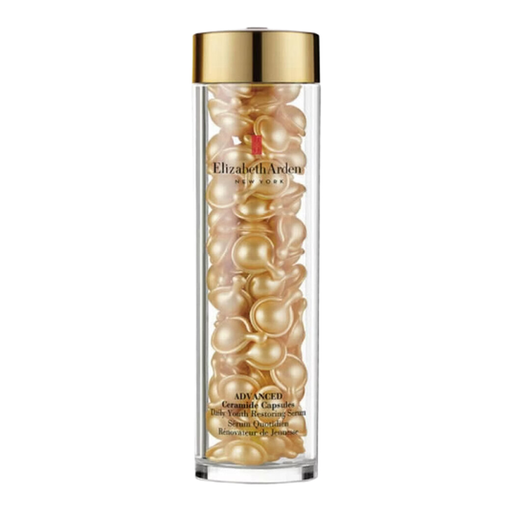
Why this product suits the profile: The single-dose capsules provide a defined amount for each application and are suitable for a structured daily anti-wrinkle routine.
The single-dose format removes uncertainty around dosage and limits repeated contact with the product container as a whole.
90 capsules; contains Ceramides 1, 3 and 6 II, as well as Cholesterol and fatty acids.
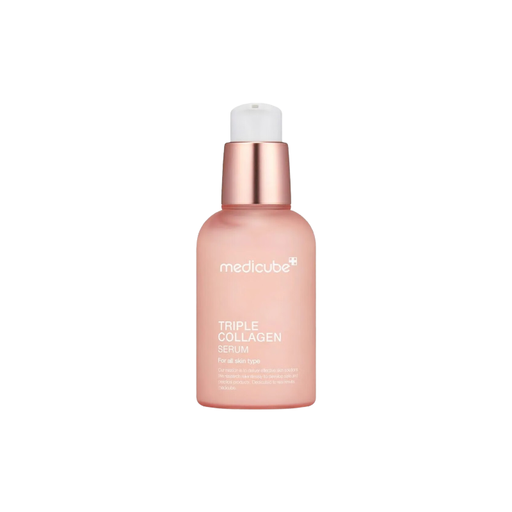
Why this product suits the profile: The 55 ml bottle is designed for regular use and combines several hydrating ingredients with different forms of collagen.
The ingredients list makes the advertised skincare components easy to verify: Hydrolyzed Collagen, Atelocollagen, hyaluronic acid and Trehalose are all specifically listed.
55 ml; contains several hyaluronic acid derivatives and Niacinamide.
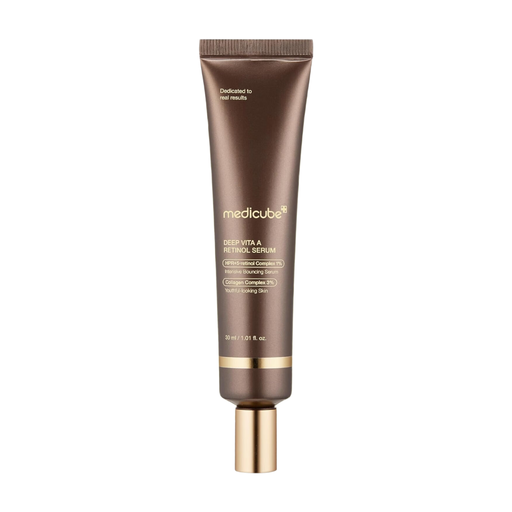
Why this product suits the profile: The evening application and advice to introduce it gradually make it suitable for people who want to add vitamin A derivatives to their routine in a targeted way.
The manufacturer’s instructions specifically recommend starting with two or three applications per week, along with daily sun protection.
Contains Retinol, Retinal, Retinyl Palmitate, Retinyl Linoleate and Bakuchiol; Ceramides and Sodium Hyaluronate are also listed.
A serum for fine lines is not a substitute for a complete skincare routine. For mature skin, combining cleansing, hydration, barrier care and UV protection may be more beneficial than using several uncoordinated concentrated products.
There is no fixed age at which you need to start. People from around the age of 25 can add a lightweight hydrating serum to their routine. If you have visible dryness, a dull complexion or fine lines, your choice should primarily be based on your skin’s condition and tolerance, rather than age alone.
The expiry date and the PAO symbol on the packaging are the deciding factors, such as “12M” for twelve months after opening. The colour, smell and consistency should not change noticeably. If you are unsure or notice a reaction, stop using the product.
Hydrating products can often be combined. However, retinol, acids, vitamin C in an acidic formula or heavily fragranced products can increase the likelihood of irritation. Introduce active ingredients one at a time and follow the relevant manufacturer’s instructions.