
Lieferung heute & morgen

Qualitätsgarantie

Willkommens-Angebote freischalten: KOSTENLOSE Lieferung | Bis zu 80 % RABATT | Kostenlose 30-Tage-JoyPlus-Testphase
App herunterladen
Finding the right anti-ageing serum can be a challenge given the vast array of products and active ingredients available. Many users want a targeted treatment that addresses specific skin concerns like moisture loss, the first signs of wrinkles, or an uneven skin tone. This article serves as a guide to simplify your selection process. It introduces different categories of active ingredients and presents a selection of products tailored to various skincare goals.
As your Joybuy Product Recommendation Officer, I have gathered information to help you make an informed decision for your skincare for mature skin.
The right serum depends on your individual skin goals. Three criteria can help you make your decision.
Serums are often concentrated with specific active ingredients that deliver different effects:
Consider your skin type. A lightweight, gel-like texture is often well-suited for oily or combination skin, while richer, oil-based formulas can be beneficial for dry skin. If you have sensitive skin, look for fragrance-free products with soothing ingredients like niacinamide (Vitamin B3).
A serum is typically applied after cleansing and before your moisturiser. Some active ingredients, particularly retinol, should preferably be used in the evening as they can make the skin more sensitive to light. Following up with sunscreen during the day is essential.
Here is a selection of products tailored to different skin needs.
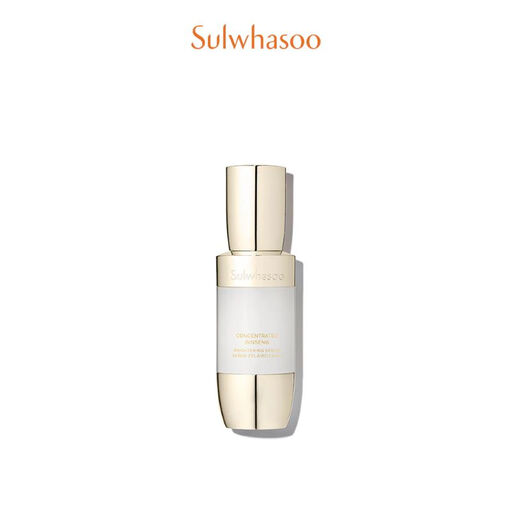
Shop the Product: Sulwhasoo Concentrated Ginseng Brightening Serum 8ml
Why It Stands Out This serum combines traditional ginseng extract with modern active ingredients like ascorbic acid (Vitamin C) and niacinamide (Vitamin B3). The formula aims to nourish the skin while brightening the skin tone.
Benefits
Who It's For For users looking for a brightening serum that evens out the complexion, nourishes the skin, and provides antioxidant protection.
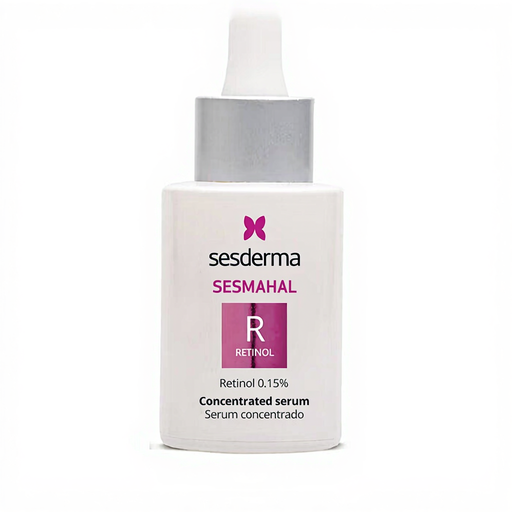
Shop the Product: Sesderma Sesmaha Seruml Retinol 0.15% (30ml)
Why It Stands Out This retinol serum is formulated with a 0.15% concentration of retinol and combined with hyaluronic acid. This approach aims to promote skin renewal while simultaneously hydrating the skin.
Benefits
Who It's For For individuals with normal to mature skin who are looking for a serum for wrinkles to specifically target the visible signs of ageing. It is intended for evening use only.
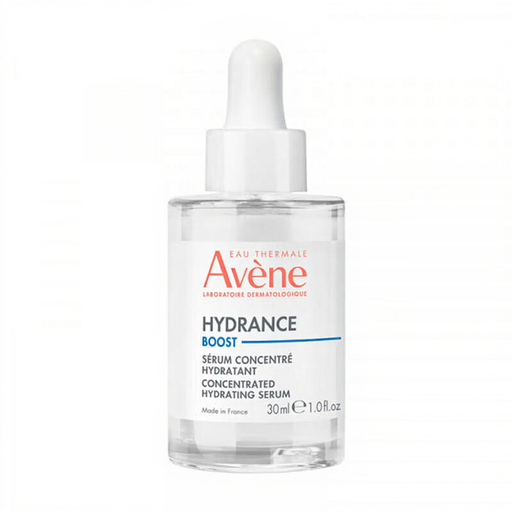
Shop the Product: Avène HYDRANCE BOOST Hydrating Concentrated Serum 30 ml
Why It Stands Out This hydrating serum focuses on intense hydration, especially for sensitive and dehydrated skin. It combines hyaluronic acid with Vitamin B3 (niacinamide) and, according to the manufacturer, consists of 96% ingredients of natural origin.
Benefits
Who It's For Ideal for all skin types, especially for those with sensitive and dehydrated skin who are looking for a fundamental and highly effective hyaluronic serum to strengthen the skin barrier.
If the products featured here don't perfectly match what you're looking for, there is a wider range of skincare products to discover. Every skin is unique and requires a personalised solution.
? Discover our full range of concentrated serums here
There is no set age. Many people start incorporating preventative products into their routine in their late 20s or early 30s, when the first signs like fine lines or a loss of firmness become visible. However, a hydrating serum can be beneficial at any age.
Yes, this combination is possible and often beneficial. Retinol can dry out the skin, while hyaluronic acid provides moisture. A common method is to use the retinol serum in the evening and the hyaluronic serum in the morning, or to apply them one after the other in the evening (retinol first, let it absorb briefly, then hyaluronic acid).