
Lieferung heute & morgen

Qualitätsgarantie

Willkommens-Angebote freischalten: KOSTENLOSE Lieferung | Bis zu 80 % RABATT | Kostenlose 30-Tage-JoyPlus-Testphase
App herunterladen
Fine lines, dry skin, an uneven complexion or loss of elasticity lead many people to an anti-ageing serum. The choice ranges from peptide serum and hyaluronic acid serum to bakuchiol, vitamin C and PDRN serum. However, a high price, bold promises or a long ingredients list alone are not reliable selection criteria.
Labels such as “collagen serum” or “firming face serum” initially describe the product’s positioning. What matters is which ingredient actually appears on the INCI list and where it is listed. With a peptide serum, for example, several peptides may be included without that automatically translating into a specific effect on wrinkles.
Likewise, “PDRN”, “DNA” or “Growth Factor” are no guarantee of a particular cosmetic outcome. Therefore, compare the full ingredients list, skin compatibility and usage recommendations.
A vitamin C serum with a high proportion of ascorbic acid may be of interest for some skin types, but can have a higher irritation potential for sensitive skin. Fragrances and essential oils can also be relevant. A product for mature skin should therefore be assessed not only for its anti-ageing focus, but also for perfume, alcohol, acids and known allergens.
A 15 ml serum and a 30 ml serum cannot be compared directly by unit price. Check the price per 10 ml, the recommended dosage and the shelf life after opening. A generous, hydrating serum can be more economical in daily use than a highly concentrated formula that should only be used sparingly.
For oily or combination skin, light, fast-absorbing gel and fluid textures are often more practical. Dry skin can benefit from glycerin, squalane, oils, ceramides and hyaluronic acid. For mature or sensitive skin, it is advisable to look at fragrance-free formulations, short INCI lists and gradual introduction.
A serum is normally applied after cleansing and, if applicable, after toner. A moisturiser then follows. In the morning, a broad-spectrum sunscreen should form the final skincare step. Pipette and pump dispensers should be kept clean and protected from direct sunlight and heat. If persistent burning, redness or itching occurs, discontinue use.
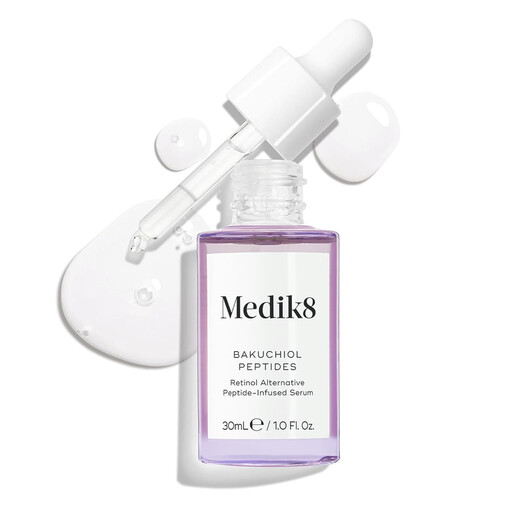
Why this product suits the profile: The formulation combines bakuchiol with plant oils, centella asiatica and aloe vera. It is aimed at those seeking a retinol-free alternative in a targeted facial skincare product.
The full ingredients list makes the included oils and plant extracts transparent. The recommended application of six drops helps you calculate usage in daily life.
30 ml content, bakuchiol as the specified main active ingredient and application for face, neck and décolletage.
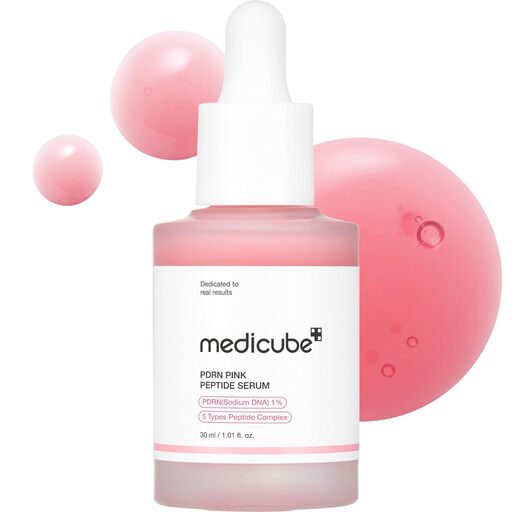
Why this product suits the profile: The water-based formulation combines PDRN, five peptides, niacinamide and sodium hyaluronate. It is of interest to users who want to address hydration, the skin barrier and a more even-looking complexion all at once.
The product information lists specific ingredients and safety instructions. As the formulation contains a salmon-derived component, it is not suitable for vegan routines; if you have sensitivity to fish or fragrances, a patch test is advisable.
30 ml content, five specified peptides as well as niacinamide and sodium hyaluronate.
We have compiled a complete, regularly updated list of products that fully meet these strict selection criteria and the safety regulations in force in the EU.
Do not combine several intensive active-ingredient products at the start. A bakuchiol serum, vitamin C serum and peptide serum do not all need to be introduced at the same time. This way, you can better determine which formulation your skin tolerates.
A hydrating serum with glycerin, hyaluronic acid, panthenol, squalane or ceramides can suit dry skin. Also crucial are a subsequent moisturiser and a texture that feels pleasant to apply in daily use.
The printed best-before date and the PAO symbol on the packaging, for example “12M”, are decisive. Store the serum closed, in a dry place and protected from direct sunlight. If the smell, appearance or feel on the skin changes, it should no longer be used.
According to product information, many formulations are intended for both morning and evening use. However, this does not automatically apply to every vitamin C, acid or retinoid product. Follow the specific usage instructions and reduce the frequency if you have sensitive skin.