
Lieferung heute & morgen

Qualitätsgarantie

Willkommens-Angebote freischalten: KOSTENLOSE Lieferung | Bis zu 80 % RABATT | Kostenlose 30-Tage-JoyPlus-Testphase
App herunterladen
An anti-ageing serum can be a targeted addition to your skincare routine, but you shouldn’t choose one based solely on marketing claims such as “instant rejuvenation” or “revolutionary”. What matters is the types of active ingredients it contains, how well your skin tolerates them and whether the way you use it suits your skin.
When choosing a face serum for wrinkles, a serum for mature skin or a firming face serum, three common misconceptions can lead to unnecessary spending.
Names such as vitamin C, retinal, retinol and peptides can sound impressive. But without information on concentration, chemical form and how the ingredients are stabilised, it’s difficult to assess the formula. Medik8 Crystal Retinal 1, for example, specifies 0.01% stabilised retinal. Clear information like this makes it easier to assess the product.
A vitamin C serum with added AHA or BHA acids may be worth considering if you have an uneven skin tone, but that doesn’t automatically make it suitable for sensitive skin. Using retinoids, acids and heavily fragranced products at the same time can affect how your skin feels. It’s best to introduce new products gradually.
A hydrating serum containing glycerin, hyaluronic acid, panthenol or sodium PCA can temporarily make the skin’s surface look smoother. But that’s not the same as a lasting change to wrinkles or skin texture. Claims about visible results should always be considered in the context of the full product formula and regular use.
For dry or tight-feeling skin, humectants such as glycerin, hyaluronic acid, panthenol, urea or sodium PCA are useful ingredients to look for. A regenerating serum may also contain soothing or nourishing ingredients.
For uneven skin tone and visible pigmentation, vitamin C derivatives, niacinamide or exfoliating acids are commonly used. A serum for dark spots is not a substitute for sun protection, though. Use a suitable sunscreen during the day.
Retinal and retinol are vitamin A derivatives. If you have sensitive skin, introduce a retinal serum or retinol serum gradually. One way to start is to use it on a few evenings a week, followed by a moisturiser. If you’re pregnant or breastfeeding, check with a healthcare professional before using vitamin A derivatives.
Check the INCI list for any fragrances, alcohol, essential oils or acids you know your skin may react to. “For all skin types” doesn’t guarantee that a product will suit your skin. If you have sensitive skin, try a small amount on an inconspicuous area first. Stop using the product if you experience redness, stinging or persistent irritation.
How often you use a serum matters, too. Depending on the formula, a gentle hydrating serum may be suitable for use morning and evening. An acid serum or vitamin A product, on the other hand, is often used in the evening to begin with. Always follow the instructions on the product packaging.
Ingredients that are sensitive to light and air need suitable packaging and should be used after opening in line with the PAO guidance. Close the product after each use and store it somewhere dry, away from direct sunlight and prolonged exposure to warm, damp conditions. A 30 ml serum will usually last from several weeks to a few months, depending on how much you use and how often you apply it.
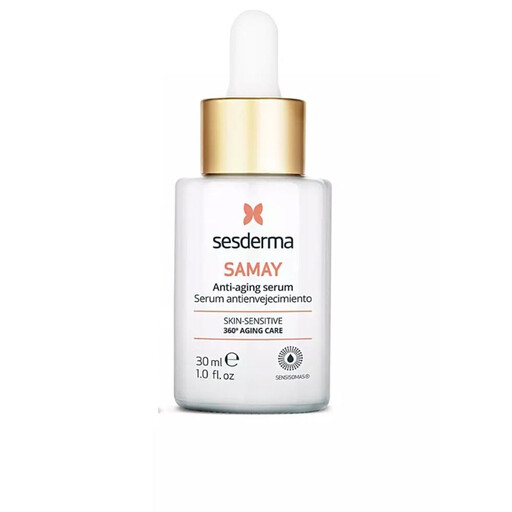
Why this product suits this profile: Its essence-like texture and focus on sensitive, dry skin make it a good choice for beginners who prefer a straightforward skincare routine.
The product description says it is suitable for sensitive and dry skin and contains soothing plant extracts. So it’s about more than a general anti-ageing claim.
Bio-retinoids, bakuchiol, chamomile and calendula; specifically formulated for sensitive and dry skin.
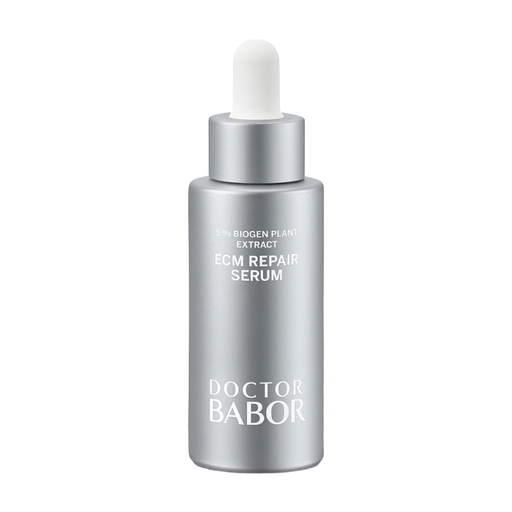
Why this product suits this profile: The formula combines humectants such as panthenol and sodium PCA with niacinamide and several plant extracts.
The ingredient list and stated skincare benefits make it easier to decide whether the hydration and feel of the product suit your routine.
30 ml; according to the product information, it is free from mineral oil, parabens and silicones, and is vegan.
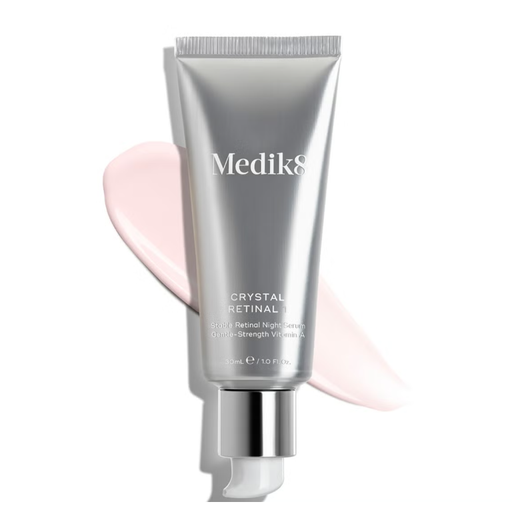
Why this product suits this profile: Its clear, step-by-step introduction makes it suitable for anyone who wants to add a retinal serum to their evening routine in a considered way.
The product information specifies 0.01% stabilised retinal and gives clear guidance on how often to use it at first. This helps you avoid starting with daily use straight away.
Retinal combined with glycerin, hyaluronic acid and vitamin E; use in the evening, followed by sun protection in the morning.
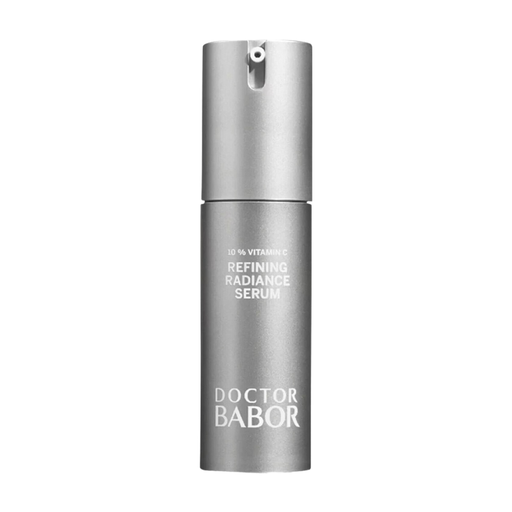
Why this product suits this profile: This vitamin C serum is for anyone looking to address skin texture, radiance and uneven skin tone together.
The combination of vitamin C, niacinamide and glycolic, lactic and salicylic acids is clearly listed, making it easier to gauge how potent the formula may be.
Vitamin C derivatives and exfoliating acids; the manufacturer specifically advises daily sun protection and warns of possible irritation.
We’ve put together a complete, regularly updated list of products that meet these strict selection criteria and fully comply with the safety regulations in force in the EU.
It depends on the ingredients. A simple hydrating serum is often used morning and evening. Retinal, retinol and acid-based products should be used less often to begin with. Always follow the manufacturer’s instructions.
Check the printed best-before date and the open-jar symbol showing the PAO period, such as “6M” or “12M”. Changes in smell, colour or consistency may indicate that the product quality has deteriorated. Keep the serum tightly closed and follow the storage instructions.
You can combine them, but doing so increases the number of active ingredients in your routine. If you have sensitive skin, it often makes sense to use vitamin C in the morning and retinol or retinal on separate evenings. If you experience stinging, significant redness or flaking, scale back your routine and seek dermatological advice if needed.