
Lieferung heute & morgen

Qualitätsgarantie

Willkommens-Angebote freischalten: KOSTENLOSE Lieferung | Bis zu 80 % RABATT | Kostenlose 30-Tage-JoyPlus-Testphase
App herunterladen
Fine lines, dry skin, pigmentation, or a tired eye area won't change overnight with a single product. When selecting anti-ageing skincare, it's less about flashy marketing claims and more about finding the right combination of active ingredients, texture, skin tolerance, and correct application.
Many poor purchases stem from three typical marketing pitfalls:
For dry or tight skin, formulations with glycerin, hyaluronic acid, ceramides, or panthenol are suitable. A hyaluronic acid cream binds water in the upper layers of the skin, helping to support a smoother feeling. For very dry skin, a richer cream with nourishing lipids is also beneficial.
If you're interested in a facial serum for wrinkles, first decide on your desired purpose:
The ingredients list on the packaging is the most reliable source. It may differ from older online information. If you are prone to redness, pay particular attention to fragrances, essential oils, and Alcohol Denat. This doesn't automatically mean a product is unsuitable, but it can be relevant for sensitive skin.
For a regenerating face cream for stressed skin, simple, protective textures are often more practical than several highly active serums. Products with ceramides, glycerin, or zinc can play a supporting role in such routines. If you experience persistent inflammation, open wounds, or a clear worsening of your skin, stop using the product and seek medical advice.
A small serum can last a long time due to its concentrated use, while a 50 ml cream for your face and neck will be used up more quickly. Therefore, the price per application is crucial, not just the price per pack.
For retinal products, light-protected packaging, gradual acclimatisation, and evening application are important points to check. In the morning, a sunscreen with a suitable SPF is advisable. For the eye area, only use a dedicated eye cream for wrinkles or a corresponding serum. The product must not get into your eyes.
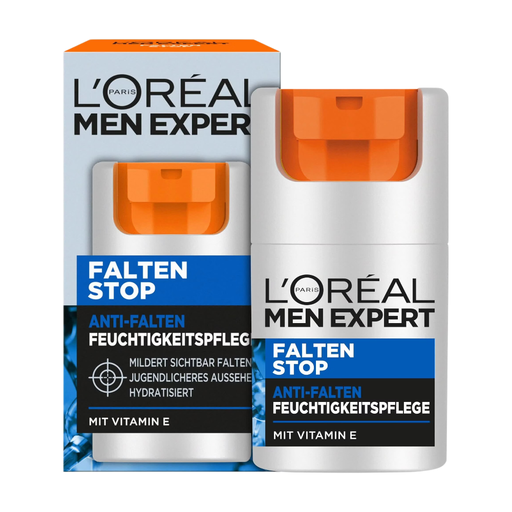
Why this product fits the profile: The 50 ml texture is designed for straightforward face and eye care. Glycerin, Dimethicone, and Tocopherol are listed in the stated ingredients list.
The product description specifies a clear face and eye application rather than a vague multi-product routine. The INCI list can be checked for fragrances and alcohol before purchase.
Face and eye care in one 50 ml emulsion; Glycerin, Dimethicone, and vitamin E components are listed.
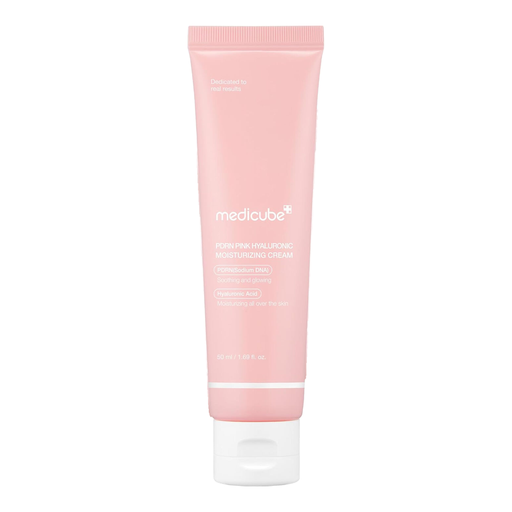
Why this product fits the profile: According to the product information, this Korean skincare product combines PDRN, Sodium Hyaluronate, Niacinamide, Adenosine, and Ceramide NP in a face cream.
The specific INCI list helps you compare the advertised ingredients with the actual formulation. Before purchasing, check the packaging for the most up-to-date information.
50 ml content; Hyaluronic acid, Niacinamide, and Ceramide NP are listed in the stated ingredients list.
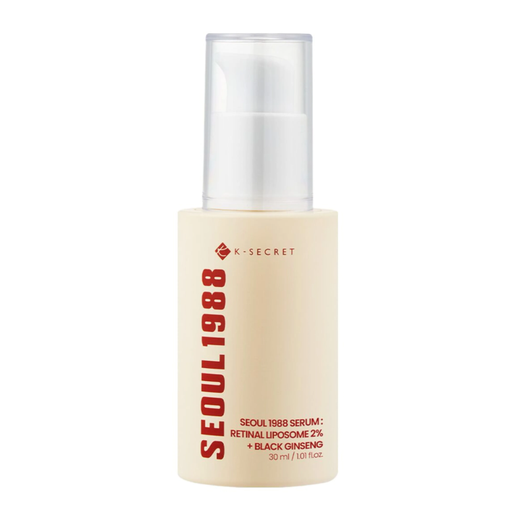
Why this product fits the profile: This retinal serum is aimed at users who prefer an evening routine that can be gradually expanded. According to the product information, it contains retinal liposomes, black ginseng, bakuchiol, vitamin C, niacinamide, and peptides.
The stated application starts with twice a week and recommends a gradual increase. A sensitivity test and sunscreen the following day should be planned.
30 ml content; clear evening dosage and acclimatisation recommendation in the product description.
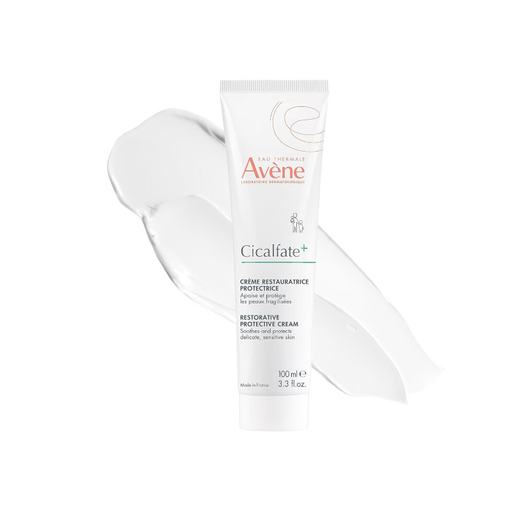
Why this product fits the profile: This 100 ml cream is designed for protective care and contains, among other things, Glycerin, Zinc Oxide, and Paraffinum Liquidum.
It focuses on protection and care, rather than combining several strong anti-ageing active ingredients. This can be clearer for a simplified routine.
100 ml content; listed ingredients such as Glycerin and Zinc Oxide; intended for targeted application on the skin.
We have compiled a complete, regularly updated list of products that fully meet these strict selection criteria and the safety regulations in force in the EU.
A straightforward routine can be broken down into three steps:
A brightening serum, a retinal serum, and a rich cream should not all be introduced at the same time. It is better to observe each product over several applications. For retinal, follow the instructions on the respective packaging. During pregnancy and breastfeeding, vitamin A derivatives should be discussed with a medical professional as a precaution.
Look for glycerin, hyaluronic acid, ceramides, panthenol, and a texture that feels comfortable and not tightening. A cream should be applied after cleansing and should not cause burning or persistent redness.
This depends on the concentration and your individual tolerance. A slow start, for example on a few evenings per week, is more sensible than daily use from day one. Sunscreen should be part of your routine the following morning.
This depends on the quantity, dosage, and area of application. For a facial serum, a few drops are usually sufficient; for a cream, a small, evenly distributed amount. The manufacturer's instructions, the expiry date, and, if applicable, the period after opening are decisive.