
Lieferung heute & morgen

Qualitätsgarantie

Willkommens-Angebote freischalten: KOSTENLOSE Lieferung | Bis zu 80 % RABATT | Kostenlose 30-Tage-JoyPlus-Testphase
App herunterladen
Fine lines, dry skin, reduced elasticity or an uneven complexion can quickly lead to an overcomplicated skincare routine. Many products promise “lifting”, “repair” or instantly visible results. However, making a sensible choice depends less on the marketing claim than on the combination of active ingredient, concentration, skin compatibility, texture and correct application.
Luxurious textures, distinctive packaging and an intense fragrance can enhance the skincare experience. However, they do not automatically indicate whether a product suits your skin’s needs. When choosing an anti-ageing cream, you should therefore check the complete INCI list, the quantity and the recommended method of application.
Film-forming ingredients can temporarily make the skin appear smoother. This is not the same as permanently changing wrinkles or skin texture. Terms such as “firming” or “lifting serum” should therefore be considered in the context of the specific ingredients and how the product is used.
A retinol serum is not a product for an aggressive beginner’s routine. Retinol can make the skin more sensitive and, when used without allowing the skin to adjust, may cause redness or a feeling of dryness. A retinol night serum should be introduced gradually. During the day, sun protection is an essential part of your routine, especially when using products containing retinol or acids.
A stated concentration is useful for retinol products. The Medik8 Retinol 3 TR Advanced Night Serum specifies 0.3% retinol and recommends gradual introduction for beginners. The Haruharu Wonder Black Rice Night Knight Retinol Serum lists 0.08% encapsulated retinol and 1% bakuchiol. Information like this makes products easier to assess than broad, generalised promises.
For dry or dehydrated skin, a hyaluronic acid serum, glycerine, squalane or ceramides may be worth considering. Vitamin C or niacinamide are often used for an uneven complexion. A niacinamide cream can provide an additional skincare option, but it does not replace daily UV protection.
A rich night cream may feel more comfortable on dry, mature skin than a lightweight gel. If you apply skincare under make-up or prefer a less oily texture, a fast-absorbing serum or emulsion may be more suitable. If you have sensitive skin, you should also check the INCI list for fragrances and known allergens.
A wrinkle cream or firming face cream should not be chosen based on its name alone. Humectants, emollient ingredients and how well the product is tolerated with regular use are the key considerations.
Products containing retinol and AHAs generally belong in your evening routine. The Medik8 serum recommends gradually increasing use, starting with twice a week. The Martiderm Platinum Night Renew Serum contains several alpha hydroxy acids; according to the product information, this may increase sensitivity to sunlight. During the day, sun protection, protective clothing and limiting time spent in intense sunlight are advisable.
Before buying, you should also check the PAO symbol – for example, “6M” or “12M”. This indicates the recommended period of use after opening. The actual shelf life also depends on storage, how securely the product is closed and the level of light protection provided by the packaging.
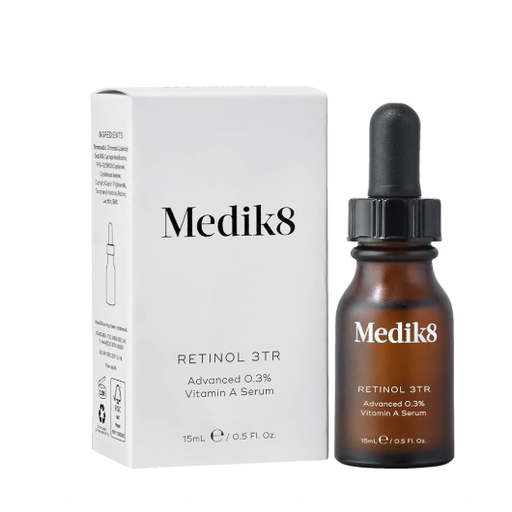
Why this product suits the profile: The stated retinol concentration of 0.3% and the instructions for gradual introduction provide clear guidance for beginners.
The specific concentration prevents the product’s strength from being judged solely on the basis of general marketing claims. Retinol use should be built up gradually.
0.3% retinol, time-release technology according to the product description, and a compact 15ml size.
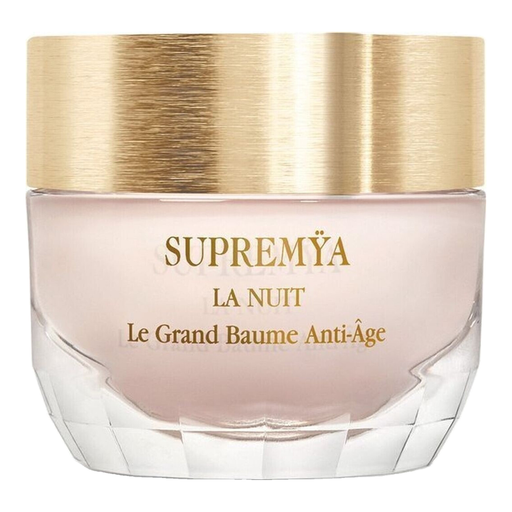
Why this product suits the profile: The rich balm texture and 50 ml contents are aimed at people who prefer comfortable overnight care for dry skin.
The selection is based on the stated texture and listed ingredients, such as mango and shea butter, squalane and botanical extracts, rather than broad promises of results.
50 ml contents, a melting balm texture and nourishing lipids for evening use.
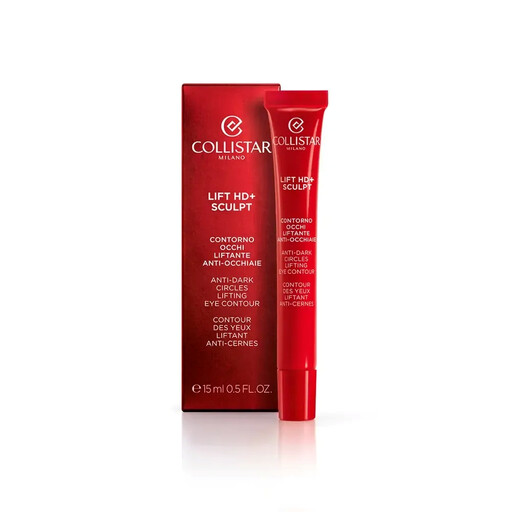
Why this product suits the profile: This 15ml eye treatment is designed for the delicate eye area and lists niacinamide, caffeine and sodium hyaluronate in its INCI list.
Targeted application helps prevent a rich face cream from being used too close to the eyes. Stop using the product if irritation occurs.
15 ml, morning and evening use, and ingredients such as glycerine, shea butter and caffeine.
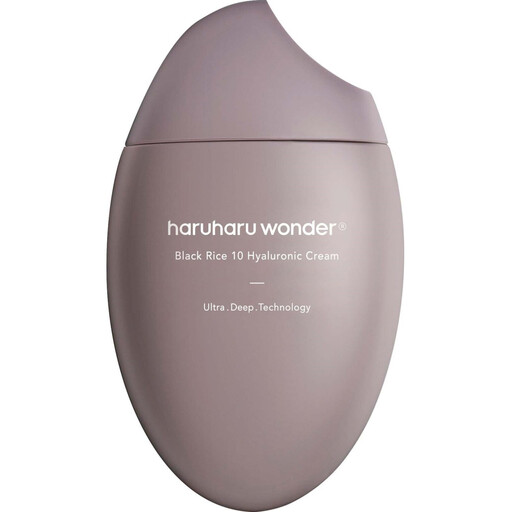
Why this product suits the profile: The cream combines several forms of hyaluronic acid with botanical oils and is described as a lightweight, fast-absorbing moisturiser.
The product is chosen for its hydrating properties and texture. For specific pigmentation or wrinkles, you should also check whether it contains a suitable active ingredient.
50 ml, a hyaluronic acid complex, glycerine, and safflower and evening primrose oils according to the product information.
When caring for skin prone to pigmentation, daily sun protection is particularly important. The visible appearance of pigmentation and dark circles can also have various causes. Cosmetic products can help care for the appearance of the skin, but they are not a medical treatment.
Beginners can start with a simple moisturiser and a lower-strength retinol serum, or one introduced gradually. Your routine should not contain several new active ingredients at once. This makes it easier to identify the cause if your skin reacts sensitively.
The PAO symbol and the information on the packaging are the key guides. Many products are intended to be used for six or twelve months after opening, for example. If the smell, colour or consistency changes, the cream should no longer be used.
Ongoing costs depend on the number of products and how frequently they are used. A streamlined routine consisting of cleansing, sunscreen, one targeted serum and a suitable cream is usually easier to manage than several active-ingredient products used at the same time. What matters is that every product serves a clear, justifiable purpose.