
Lieferung heute & morgen

Qualitätsgarantie

Willkommens-Angebote freischalten: KOSTENLOSE Lieferung | Bis zu 80 % RABATT | Kostenlose 30-Tage-JoyPlus-Testphase
App herunterladen
Finding an effective Anti-Aging Cream can quickly become a complex task. The market is saturated with products promising more youthful skin, but not every formula delivers on its claims. Choosing the wrong product not only leads to unnecessary expense but can, in the worst-case scenario, further irritate your skin.
As your Joybuy Product Recommendation Officer, I'm here to help you navigate the marketing jungle. This guide focuses on objective criteria, showing you what to look for to make an informed decision for your skincare for mature skin.
Before we dive into the key parameters, it's important to recognise common marketing traps that often lead to disappointment.
To find a suitable Anti-Aging Cream, you should focus on verifiable properties rather than marketing promises. The following three criteria are crucial for effective skincare.
The effectiveness of a cream depends significantly on its active ingredients and their formulation.
The foundation of any good skincare routine is compatibility with your own skin type.
The skin has different needs at different times of the day.
Based on the criteria mentioned, we have selected a few products from our range for specific needs and skin types.
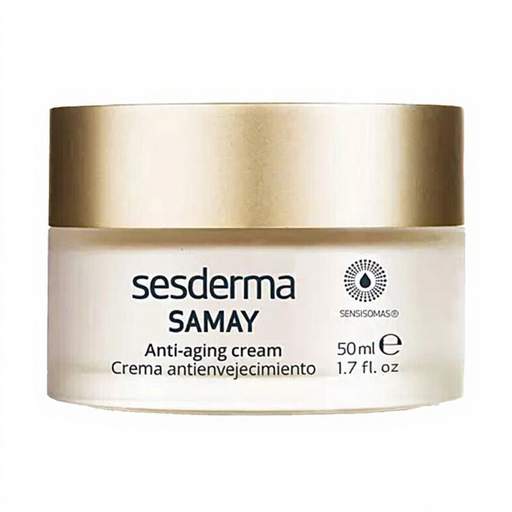
Why This Fits Their Persona: Ideal for individuals whose skin reacts to active ingredients with redness or irritation. The formulation is specifically designed to combine anti-aging effects with high tolerability.
This product bypasses the "one-size-fits-all" trap by explicitly targeting sensitive skin. It uses bio-retinoids that aim for a retinoid-like effect with high tolerance, along with soothing extracts.
According to the manufacturer, the formulation with Sensisomes—nanometric delivery vehicles—is designed to transport active ingredients into the skin with high tolerability. It contains nourishing almond oils and shea butter.
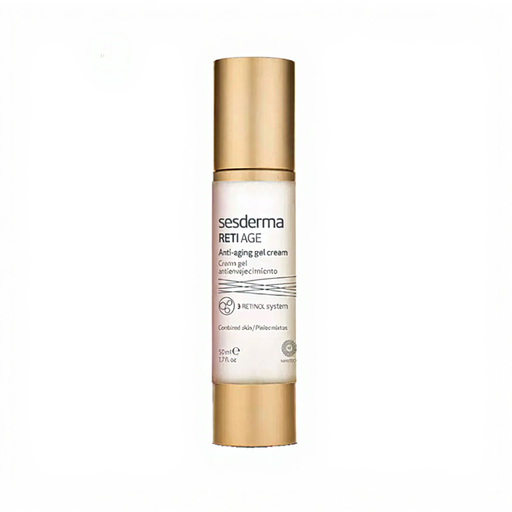
Why This Fits Their Persona: For experienced users who want to specifically leverage the benefits of retinol and are aware of the need for accompanying sun protection.
This cream addresses the "active ingredient illusion" by using what the manufacturer calls a 3-Retinol system (retinol, retinyl, retinal). This combination of different retinoid forms aims for a time-released delivery and a comprehensive effect.
The combination of different retinoids can enhance efficacy while improving tolerability. The formulation also contains hyaluronic acid and an antioxidant complex.
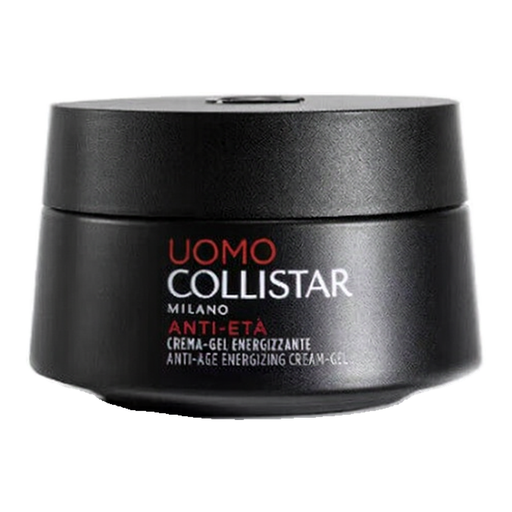
Why This Fits Their Persona: Designed for the specific needs of men's skin, which often benefits from uncomplicated, fast-absorbing care without a greasy feel.
This product is a clear example of a target-group-specific formulation, thus avoiding the "one-size-fits-all" trap. The lightweight cream-gel texture is tailored to the needs of men's skin.
The texture absorbs quickly and leaves no sticky residue. The formula is suitable for all skin types, including sensitive skin, and can be used daily, morning and evening.
We have compiled a complete, up-to-date list of products that fully meet these strict selection criteria.
At what age should I start using an anti-aging cream? There's no fixed age. Biologically, skin aging begins around our mid-20s, but it only becomes visible later. Many people start with targeted skincare for mature skin from the age of 30. However, your skin's condition is more important than your age. Preventative care focusing on hydration and sun protection is recommended even at a younger age.
Can I use a retinol cream every day? This depends on the product's concentration and your individual skin tolerance. It is recommended to start by applying it every two to three days and slowly increase the frequency if your skin shows no signs of irritation, such as redness or peeling. Always follow the manufacturer's instructions and consistently use a high-SPF sunscreen during the day.
What is the difference between a day cream and a night cream for wrinkles? An anti-aging day cream primarily serves a protective function. It often contains antioxidants and a sun protection factor (SPF) to shield the skin from environmental factors and UV radiation. A night cream for wrinkles is designed for regeneration. It frequently contains higher concentrations of restorative ingredients like retinol or peptides, as the skin is in a state of renewal overnight.