
Lieferung heute & morgen

Qualitätsgarantie

Willkommens-Angebote freischalten: KOSTENLOSE Lieferung | Bis zu 80 % RABATT | Kostenlose 30-Tage-JoyPlus-Testphase
App herunterladen
The search for an effective anti-aging cream can quickly feel overwhelming. The market is filled with products that promise instant results, yet unclear marketing messages and overhyped ingredients often lead to disappointment and unnecessary expense. Instead of getting lost in the marketing jungle, it's more effective to focus on the fundamental criteria that define good care for mature skin.
As your Joybuy Product Recommendation Officer, I'll help you identify the most common pitfalls and make an informed decision.
Before you invest, you should be aware of two common marketing tactics that often lead to bad purchases:
To find a suitable face cream for mature skin, you should focus on two crucial factors: the combination of active ingredients and the formulation.
An effective wrinkle cream relies on a team of proven active ingredients that complement each other. Look for formulations that contain several of the following components:
The effectiveness of a cream largely depends on whether its texture and base are suitable for your skin. The goal of facial skin tightening is only achieved if the skincare supports the skin barrier and does not weigh it down.
Here are some product suggestions tailored to different user profiles and their specific anti-aging skincare requirements.
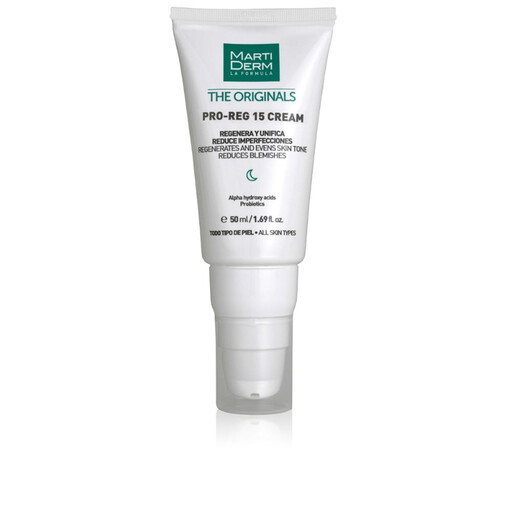
Why This Fits Their Persona: Ideal for experienced users seeking an intensive night treatment for skin renewal. The focus is clearly on a high concentration of active ingredients to improve skin texture.
This product bypasses the "miracle ingredient" hype by relying on a proven active ingredient in a high concentration. The 15% glycolic acid (AHA) is clearly declared and designed for an intensive effect.
As an intensive regenerating night cream, it promotes cell renewal. It also contains collagen to support moisture levels.
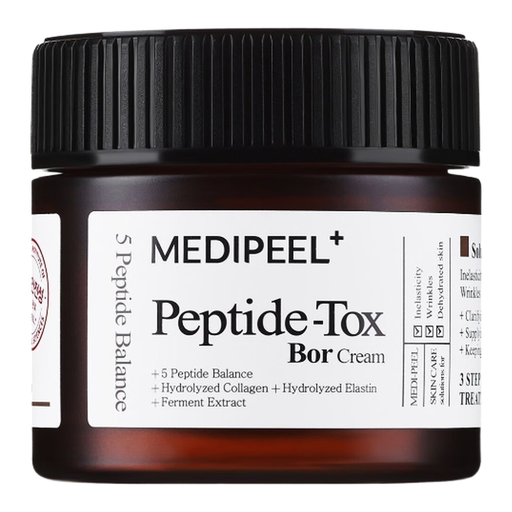
Why This Fits Their Persona: Perfect for users specifically looking for a cream with a high density of peptides to support skin elasticity and firmness.
Instead of promoting just one type of peptide, this cream combines five different peptides with Volufiline and fermented ingredients, according to the manufacturer. This demonstrates a thoughtful, multi-factorial approach.
The formula aims to improve skin elasticity and contains a rich nutrient base that also includes hydrolyzed collagen and elastin.
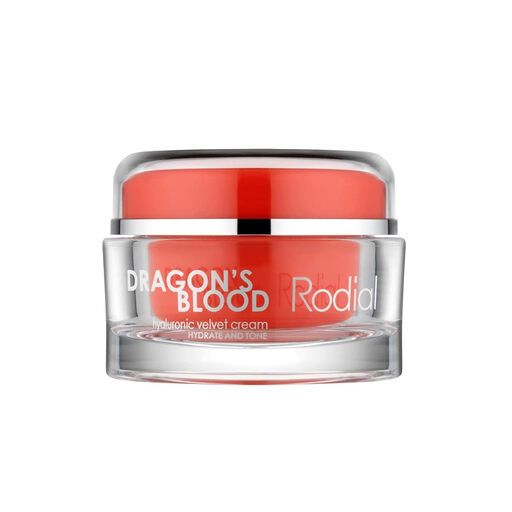
Why This Fits Their Persona: Suitable for individuals whose skin is prone to sensitivity or redness and who are looking for a rich, yet non-greasy moisturizer with anti-aging properties.
This product avoids the pitfall of an unsuitable base formulation. It focuses on skin-soothing and hydrating ingredients like hyaluronic acid and squalane, which are well-tolerated by sensitive skin.
Provides intensive, long-lasting hydration. Despite its rich texture, the formula is non-greasy and suitable for both day and night use.
Especially for combination or oily skin, a lighter, mattifying texture can be beneficial. We have compiled a list of products that meet these criteria.
1. At what age does it make sense to use an anti-aging cream? There is no fixed age. Skin aging begins in the mid-20s but often only becomes visible from the mid-30s. Instead of waiting for a specific age, it is advisable to pay attention to your skin's needs. If the first fine lines, loss of elasticity, or a dull complexion appear, integrating targeted care can be beneficial. Prevention, especially through daily sun protection, is an equally important factor.
2. Can you use a wrinkle cream in the morning? That depends on the ingredients. Creams with photosensitive active ingredients such as highly concentrated retinoids or fruit acids (AHA/BHA) should preferably be applied in the evening, as they can make the skin more sensitive to UV radiation. Regardless, the daily use of a broad-spectrum sunscreen is essential when using anti-aging products. Creams that primarily rely on peptides, hyaluronic acid, and antioxidants can generally be used in the morning and evening without issue.
3. What is the difference between a collagen cream and a cream with peptides? A collagen cream contains collagen molecules that form a moisturizing and protective film on the skin's surface. However, they do not directly replenish the skin's own collagen depots. A cream with peptides, on the other hand, contains signal molecules that can stimulate the skin's own collagen production. You can think of it this way: the collagen cream provides moisture from the outside, while the peptide cream encourages the skin to work from the inside.