
Lieferung heute & morgen

Qualitätsgarantie

Willkommens-Angebote freischalten: KOSTENLOSE Lieferung | Bis zu 80 % RABATT | Kostenlose 30-Tage-JoyPlus-Testphase
App herunterladen
Fine lines, dry skin and a less even-looking complexion are common reasons for looking for an anti-ageing face cream. There’s a wide choice, from lightweight gel creams to rich night creams. But the word ‘anti-ageing’ on the packaging isn’t the only thing that matters. The texture, ingredients and how you use the cream should suit your skin.
Collagen, retinol, PDRN and hyaluronic acid may sound impressive. But simply listing an ingredient tells you little about its concentration, formulation or suitability for your skin. When choosing a collagen face cream, check the full INCI list. Products containing collagen may be promoted for their moisturising effects and for leaving skin feeling soft and supple. A cosmetic product is not a substitute for medical treatment.
A hyaluronic acid cream can also have different properties depending on the form used. Several forms of hyaluronic acid, glycerin, squalane or trehalose may indicate a formulation focused on hydration. However, this doesn’t guarantee fewer wrinkles.
A cream for all skin types can be convenient, but it won’t necessarily suit everyone equally well. Dry skin often benefits from nourishing oils, shea butter or squalane. If you have sensitive skin, check for fragrance, essential oils, alcohol and potentially irritating active ingredients.
If you’re looking for a cream for sensitive skin, try it on a small area first. Stop using it if you experience redness, stinging or itching. It’s particularly sensible to introduce retinol products gradually.
Retinol and retinol derivatives are often used in an anti-wrinkle night cream. They can make your skin more sensitive to sunlight, so use a suitable sunscreen as part of your daytime routine. A day cream with a stated SPF can be convenient, but it doesn’t automatically provide comprehensive sun protection during prolonged UV exposure.
When choosing a firming face cream, these three questions can help:
What benefits does the formulation support?
Humectants such as glycerin, hyaluronic acid and trehalose attract and retain water. Squalane, plant oils, ceramides and shea butter can provide extra care for dry skin.
Which active ingredients suit your personal skincare goals?
Niacinamide is often used to care for the skin barrier and promote a more even-looking complexion. Retinol is a key ingredient in many products designed to care for skin texture and fine lines. PDRN (Sodium DNA) and Centella Asiatica are particularly common in Korean skincare.
Could any ingredients cause a reaction?
Fragrance, essential oils or alcohol may not suit everyone. Always check the INCI list on the current packaging, as formulations can change.
A lightweight gel cream can work well if you want to apply your make-up base quickly in the morning. Richer creams are generally better suited to dry skin or evening skincare routines. If your skin tends to feel oily, consider the combination of texture, oils and silicones, rather than relying only on the words ‘non-greasy’.
Packaging that protects the product from light and air can be useful for ingredients such as retinol. Store the product in a cool, dry place away from direct sunlight. The expiry date, batch number and period-after-opening symbol are shown on the packaging. A jar can make the cream easy to scoop out, while a tube or pump dispenser reduces direct contact with the product.
The recommendations below group products by clear features such as texture, ingredient profile, certifications and how they’re used. They are not medical assessments.
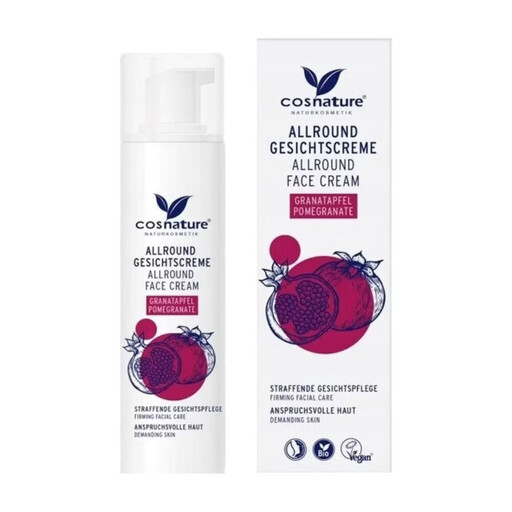
Why this product suits this profile: This 50 ml cream combines hyaluronic acid, squalane and shea butter with organic pomegranate seed oil. It’s described as suitable for dry and mature skin and can be used in the morning and evening.
The product description names specific skincare ingredients and certifications such as vegan and NATRUE, rather than relying on a vague anti-ageing claim.
Vegan and NATRUE-certified according to the product details; a moisturising formula with hyaluronic acid, squalane and shea butter.
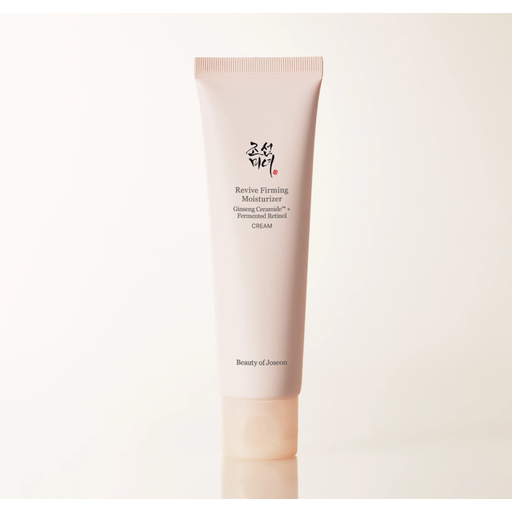
Why this product suits this profile: According to the product details, this lightweight gel cream combines fermented retinol, ginseng and ceramides. It’s aimed at people looking for Korean skincare with a focus on retinol.
The product description gives a specific study sample size and application period. Even so, these details shouldn’t automatically be assumed to apply to everyone.
A retinol and ceramide formula; a non-sticky gel texture according to the manufacturer.
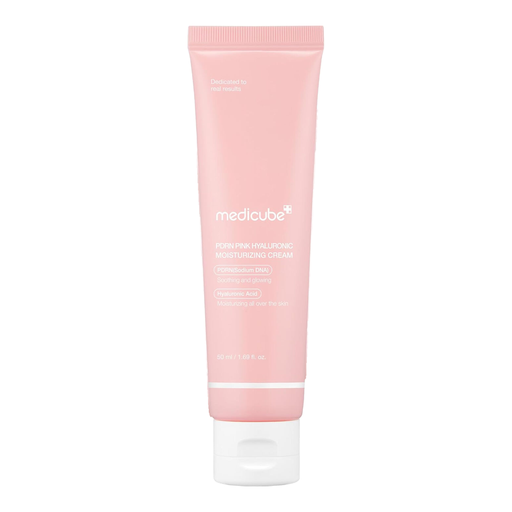
Why this product suits this profile: This 50 ml cream combines PDRN (Sodium DNA), hyaluronic acid, niacinamide and ceramides. It suits a routine focused on hydration and caring for the skin barrier.
The INCI list includes the stated moisturising and barrier-supporting ingredients. This doesn’t imply that the product heals or repairs skin.
Lightweight texture according to the product description; PDRN, several forms of hyaluronic acid and ceramides in the ingredients list.
We’ve put together a complete, regularly updated list of products that meet these strict selection criteria and the safety requirements applicable in the EU.
A simple routine consists of cleansing, serum and cream. In the morning, follow with a suitable sunscreen. Start by applying retinol products on just a few evenings each week. Use a small amount on dry skin, avoiding the eye and lip areas. If your skin is sensitive or already irritated, a gentler moisturiser without retinol is often a better place to start.
Check the best-before date, batch number and period-after-opening symbol. Changes in smell, colour or consistency are signs that you should stop using the product. Take particular care to protect retinol products from light and heat.
For dry skin, look for formulas containing glycerin, hyaluronic acid, squalane, ceramides, shea butter or plant oils. A richer cream may feel more comfortable in the evening, while a gel cream can sit more lightly under make-up in the morning.
No. Retinol can irritate the skin and increase sensitivity to light. It’s important to introduce it gradually, use sunscreen every day and follow the manufacturer’s instructions. If symptoms persist, stop using the product and seek advice from a dermatologist.