
Lieferung heute & morgen

Qualitätsgarantie

Willkommens-Angebote freischalten: KOSTENLOSE Lieferung | Bis zu 80 % RABATT | Kostenlose 30-Tage-JoyPlus-Testphase
App herunterladen
The search for the right anti-aging cream can quickly become overwhelming. The market is filled with products promising a wide range of results. However, not every formula lives up to its advertising claims. Many users invest in expensive creams only to be disappointed by the results or find they are unsuitable for their skin type. This guide will help you understand the key criteria and avoid common purchasing pitfalls, enabling you to make an informed decision for your anti-aging skincare routine.
Before choosing a product, it's helpful to critically examine common marketing promises. Three points in particular often lead to poor purchasing decisions:
To make a well-founded decision, you should focus on objective criteria. The following three aspects are crucial for selecting an effective anti-wrinkle cream.
Effective anti-aging care is rarely based on a single ingredient. Rather, it is the interplay of different active ingredient groups that leads to visible results. Look for formulations that combine several of the following components:
Your skin's individual needs are paramount. A day cream for mature skin should be formulated differently than a night cream.
Active ingredients like retinol and vitamin C are sensitive to light and air. Their effectiveness can quickly diminish if they are not packaged correctly. Air-tight pump dispensers or opaque tubes are often better than open jars, as they protect the contents from oxidation and ensure hygienic dispensing.
Here is a selection of products tailored to different needs and skin types.
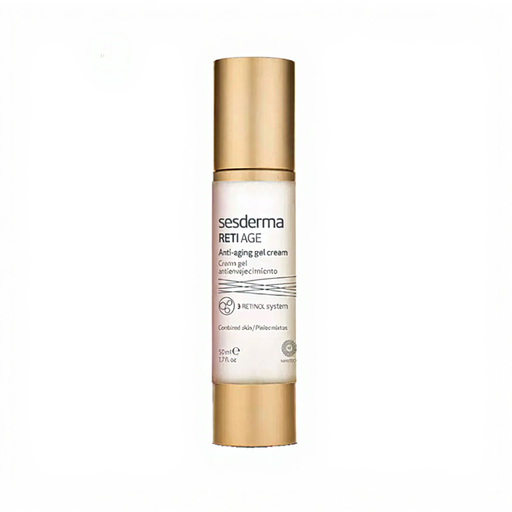
Why This Fits Their Persona: Ideal for users seeking a targeted solution for visible wrinkles. The formulation focuses on retinoids, one of the most recognized active ingredients for reducing lines and improving skin texture.
Instead of just promoting a "miracle ingredient," this product, according to the manufacturer, uses a system with three different retinoid forms (retinol, retinyl, retinal) to optimize effectiveness.
Combines retinoids with other active ingredients like hyaluronic acid and peptides for a comprehensive approach. The warnings about the mandatory use of sunscreen are a sign of transparent product communication.
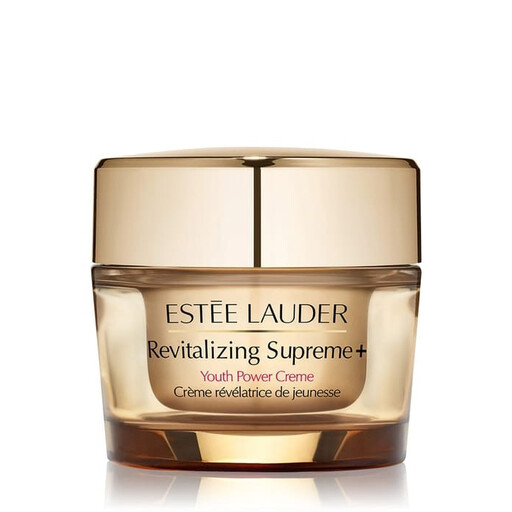
Why This Fits Their Persona: Suitable for users looking for a comprehensive care solution that simultaneously addresses multiple signs of aging, such as loss of firmness, lack of density, and wrinkles.
This product avoids the "one-size-fits-all" trap by offering a rich, nourishing texture specifically tailored to the needs of more mature skin, rather than a universal lightweight formula.
The formula combines an exclusive Moringa extract with a broad range of supporting ingredients like hyaluronic acid and peptides (Acetyl Hexapeptide-8). The non-acnegenic property is an added benefit.
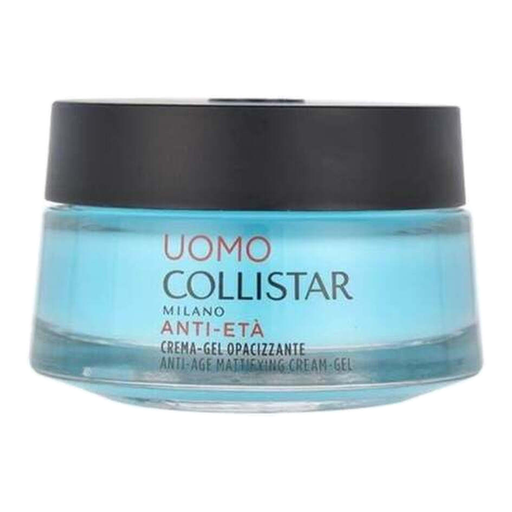
Why This Fits Their Persona: Perfect for men who want effective anti-aging care but prefer a light, non-greasy texture. The cream-gel absorbs quickly and leaves a matte finish.
This product refutes the assumption that anti-aging creams must always be rich and heavy. It offers a specific solution for the needs of men's skin, which often tends to produce more oil.
The combination of moisturizing hyaluronic acid and mattifying niacinamide addresses signs of aging and unwanted shine simultaneously. The light gel texture is particularly pleasant after shaving.
We have compiled a complete, up-to-date list of products that fully meet these strict selection criteria and German safety regulations.
1. When does it make sense to start using an anti-aging cream? There is no fixed age, but many skincare advisors recommend starting with preventive measures in your late 20s or early 30s. During this phase, the body's own collagen production gradually slows down. Initially, the focus can be on hydration and antioxidants, with more targeted ingredients like retinoids or peptides being integrated later on.
2. Can you use a retinol cream every day? For beginners, it is recommended to introduce retinol into your skincare routine slowly. Start by applying it two to three times a week to allow your skin to get used to the active ingredient. If no irritation such as redness or dryness occurs, the frequency can be gradually increased to daily use (usually in the evening). The daily use of a broad-spectrum sunscreen is essential when using retinol, as it can make the skin more sensitive to light.
3. What is the difference between a day and a night cream for mature skin? A day cream for mature skin often contains a sun protection factor (SPF) to protect the skin from UV radiation, which is one of the main causes of premature skin aging. Its texture is usually lighter so that it can be worn well under makeup. A night cream is generally richer and contains higher concentrations of regenerating active ingredients like retinol or peptides, as the skin is in repair mode overnight, allowing the ingredients to work undisturbed.