
Lieferung heute & morgen

Qualitätsgarantie

Willkommens-Angebote freischalten: KOSTENLOSE Lieferung | Bis zu 80 % RABATT | Kostenlose 30-Tage-JoyPlus-Testphase
App herunterladen
A face gel cream should hydrate your skin, sink in quickly and leave no heavy film. However, not every gel cream suits every skin type. Three common shopping misconceptions can lead to unnecessary spending.
1. “Lightweight” is taken to mean “suitable for every skin type”.
A water-rich texture can feel pleasant, but may not provide enough care on its own for dry or dehydrated skin. Conversely, richer gel creams can leave oily skin looking shiny.
2. Product claims are mistaken for proven results.
Terms such as “anti-ageing”, “firming” or “repairing” often describe how a product is positioned. They are no substitute for assessing your individual skin and do not guarantee an effect. What matters is the full INCI list, the texture and the product’s intended use.
3. A face cream with SPF is used as complete sun protection.
With SPF products, applying enough and reapplying regularly are key. A regular moisturiser without stated sun protection is no substitute for a sun protection product. A gel cream with SPF should not automatically be assumed to provide enough protection for extended periods in strong sunlight.
For oily or combination skin, lightweight, non-greasy textures that sink in quickly are often a good choice. Ingredients such as glycerin, betaine or hyaluronic acid can help hydrate the skin. If you have sensitive skin, it is also worth checking for fragrance, essential oils and alcohol.
A gel cream for sensitive skin should ideally have a straightforward formulation. “Natural” or “Korean” does not automatically mean a formula will suit everyone. If you know your skin is sensitive, try the product on a small patch of skin first.
Humectants such as glycerin, panthenol and certain forms of hyaluronic acid bind water. Depending on the formula, squalane, ceramides or dimethicone can help leave the skin’s surface feeling smooth and supple. The specific effect depends on the full formulation and your individual skin.
When choosing a hydrating gel cream, it is also worth comparing the INCI list with your own needs. A formula containing niacinamide may appeal if you already know your skin tolerates this ingredient well. If you are sensitive to fragrance, check products listing “Fragrance” or “Parfum” particularly carefully.
50 ml is a common size for a classic face moisturiser. Larger jars, such as 100 or 180 g, may offer better value if you use the product frequently or apply it to your face and body. Mini sizes, on the other hand, are handy for travel or for trying a product before committing.
Also check whether the product is actually a moisturiser, a face gel, a night cream or a sun protection product. Follow the recommended use on the packaging, and check the current INCI list for the product you receive, as formulations can change.
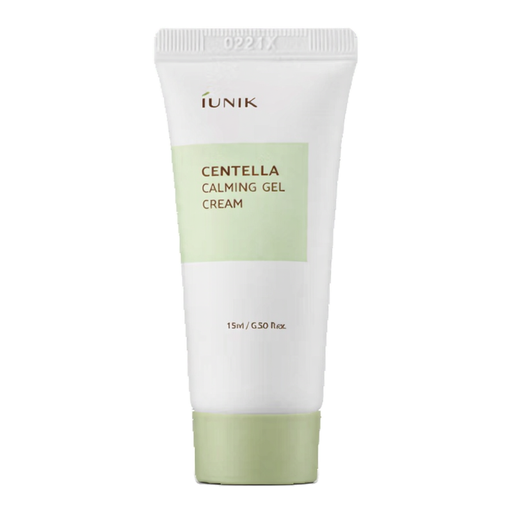
Why it suits this profile: The mini size is an easy way to try a Korean gel cream and is ideal for travel or testing a new texture.
The smaller size reduces the risk of buying a large jar of a texture that does not suit your skin or feels too rich.
15 ml travel size; described as containing Centella asiatica and tea tree water.
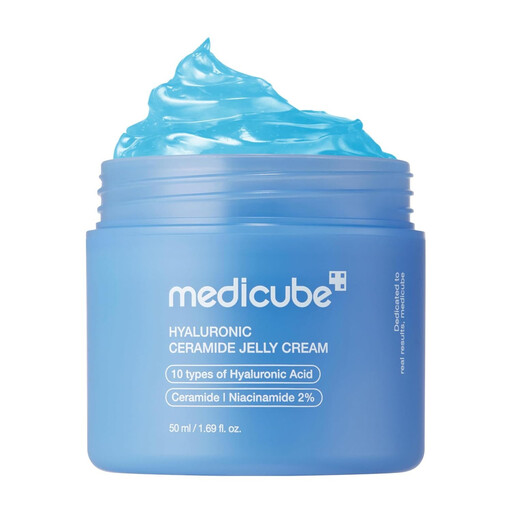
Why it suits this profile: Its stated water-gel texture may appeal if you want a lightweight day moisturiser to wear under make-up, as well as a versatile cream for the evening.
The stated INCI list includes ceramides, cholesterol, phytosphingosine and several forms of hyaluronic acid, making it easier to assess the formula than relying on a general anti-ageing claim.
50 ml size; stated ceramide blend and oil-free water-gel texture.
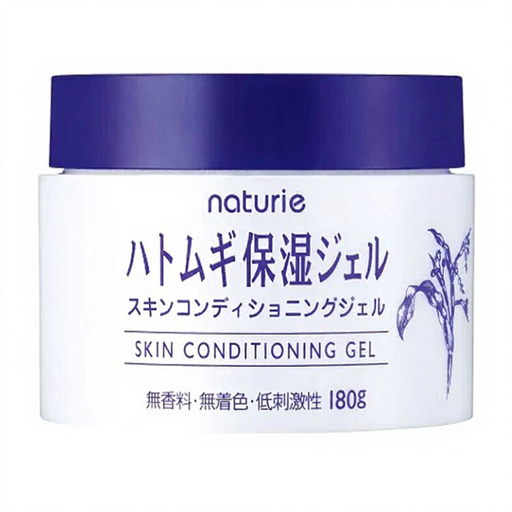
Why it suits this profile: The larger size is aimed at people who use gel skincare regularly and prefer a versatile product to apply after toner or lotion.
The product information states that the formula is fragrance-free and colourant-free, and that the gel can also be used as a make-up base or hydrating mask.
180 g size; stated to be free from fragrance and colourants.
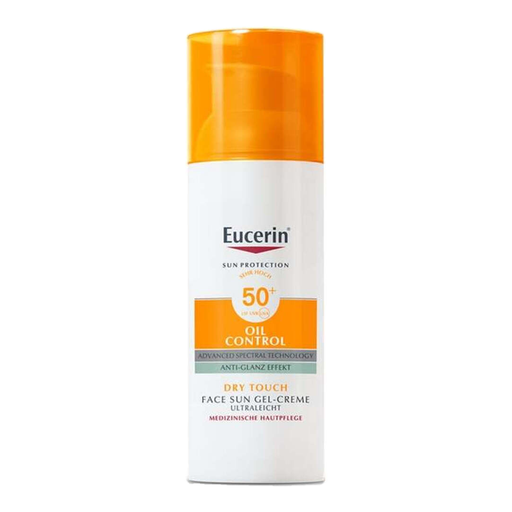
Why it suits this profile: This product is described as SPF 50+ sun protection for oily, blemish-prone skin, so it can serve a different purpose from a moisturiser alone.
Clearly identifying it as an SPF product helps prevent you from choosing sun protection by the same criteria as a night cream or everyday moisturiser.
SPF 50+; described as fragrance-free and non-comedogenic, with a gel-cream texture.
We’ve put together a complete, regularly updated list of products that meet these strict selection criteria and the safety requirements in force in the EU.
Apply gel cream after cleansing and, if you use one, after serum. Start with a small amount and spread it evenly over your face and neck. In the morning, follow with a separate sun protection product if needed. Avoid dipping wet fingers into the product unless the manufacturer advises otherwise.
Shelf life depends on the expiry date, the batch code and the symbol showing how long the product can be used after opening. Store your skincare in a cool, dry place away from direct sunlight. If the smell, colour or consistency changes noticeably, stop using the product.
Often, yes, if the formula sinks in easily and does not leave a very shiny film. Still, check the INCI list and try the product on a small patch of skin first. Oily skin can also be dehydrated.
It depends on your skin and the time of year. A hydrating face gel may be enough for combination skin or in warm weather. If your skin is dry or exposed to cold, dry indoor air, you may benefit from adding a richer moisturiser.
Check the PAO symbol on the packaging, for example “12M”, as well as the stated best-before date. There is no single usage period that applies to every product. Hygiene, storage and how you take the product out of the jar all affect its shelf life.