
Lieferung heute & morgen

Qualitätsgarantie

Willkommens-Angebote freischalten: KOSTENLOSE Lieferung | Bis zu 80 % RABATT | Kostenlose 30-Tage-JoyPlus-Testphase
App herunterladen
The search for an effective anti-aging day cream with SPF can be a complex task. The market offers a plethora of products, all of which sound promising. However, not every cream delivers on its promises. Many users invest in products that don't suit their skin type or whose protective function is inadequate for daily life. This guide will help you identify the crucial features and avoid common purchasing pitfalls.
Common Pitfalls When Buying a Day Moisturiser with Sun Protection:
To make an informed decision, you should examine three core parameters. These will help you objectively evaluate a cream's performance and find a product that suits your needs.
The sun protection factor is the most critical feature for preventing skin aging. UV radiation is the main cause of collagen and elastin degradation, which leads to wrinkles and loss of elasticity.
A good anti-aging product combines moisture, protection, and active ingredients. Look for a formulation that addresses multiple needs simultaneously.
The foundation of any good skincare routine is a texture that feels pleasant on the skin and meets its specific needs.
Based on the criteria mentioned, we have identified several products suitable for different needs and skin types.
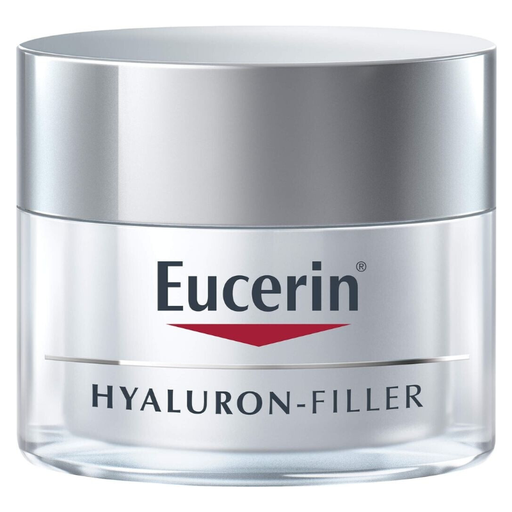
Why This Fits Their Persona: Ideal for users seeking a reliable and straightforward solution for their daily skincare routine. This product combines proven hydration from hyaluronic acid with a solid SPF 30 for everyday protection.
The formula focuses on an effective combination of hyaluronic acid and broad-spectrum SPF 30, rather than relying on short-lived trends. The protection factor is sufficient for daily use.
Combines short- and long-chain hyaluronic acid for hydration across different layers of the skin. The lightweight texture is suitable for all skin types and works well as a makeup base.
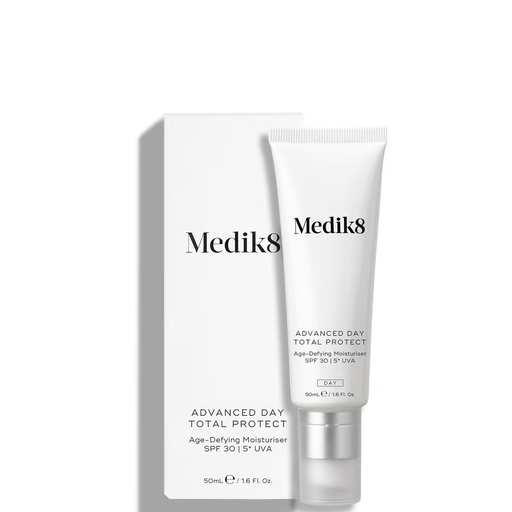
Why This Fits Their Persona: Suitable for skincare-savvy users who want protection that goes beyond UV rays. This cream addresses modern environmental stressors like blue light and pollution.
It offers multi-faceted protection that acknowledges the complexity of modern skin-aging factors. The formulation is designed around a comprehensive protection concept, not just a single active ingredient.
Protects against UV rays, blue light, infrared, and pollution. Contains Carnosine, a peptide that can support collagen production, as well as hydrating hyaluronic acid.
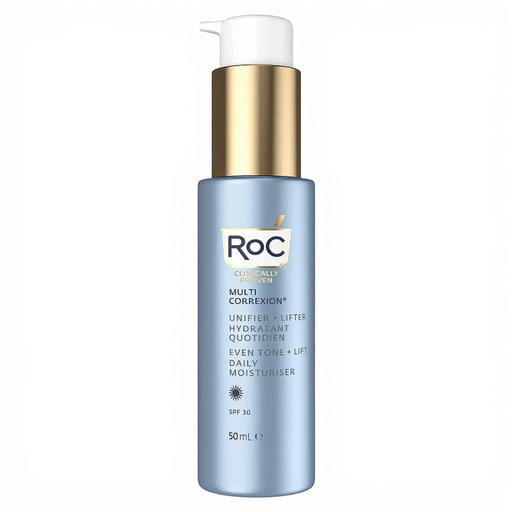
Why This Fits Their Persona: Designed for individuals who want to address not only wrinkles but also an uneven skin tone or dark spots. The lightweight formula is also well-suited for combination skin.
It specifically targets a second skin concern (uneven tone), making it more than just a generic anti-aging cream. The lightweight texture avoids the problem of being too heavy for many skin types.
Contains Niacinamide, which can help to brighten the complexion and refine pores. It provides broad-spectrum SPF 30 protection and delivers long-lasting hydration.
We've compiled a complete, up-to-date list of products that meet these strict selection criteria and comply with current safety regulations.
For normal daily activities, a day cream with SPF 30 is generally sufficient, provided it is applied generously. However, during intense and direct sun exposure, such as on a summer holiday, during outdoor sports, or for extended periods in the sun, it is recommended to use an additional, dedicated sunscreen with a high SPF (50+) and to reapply it every two hours.
The amount you apply is crucial to achieving the sun protection factor listed on the packaging. A good rule of thumb is the "two-finger rule": an amount that covers your index and middle fingers is required for your face and neck. Most people tend to use too little product, which significantly reduces its protective performance.
Yes, many brands offer formulations specifically designed for sensitive skin. Look for products labelled as "fragrance-free," "hypoallergenic," or "for sensitive skin." Creams with mineral filters like zinc oxide or titanium dioxide are often better tolerated because they sit on the skin's surface and reflect UV rays, rather than converting them into heat within the skin. A patch test on your inner arm before the first application on your face is always a good precaution.