
Lieferung heute & morgen

Qualitätsgarantie

Willkommens-Angebote freischalten: KOSTENLOSE Lieferung | Bis zu 80 % RABATT | Kostenlose 30-Tage-JoyPlus-Testphase
App herunterladen
Finding a suitable day cream that both combats the signs of ageing and provides reliable sun protection can be a challenge. An anti-ageing day cream with SPF is a cornerstone of an effective skincare routine, as it moisturises, delivers active ingredients, and simultaneously defends against the most significant external factor in skin ageing—UV radiation.
This article serves as your guide. It explains the key criteria and ingredients to consider when making your selection and presents a variety of products to help you make an informed decision.
To find the right cream, it's helpful to understand a few fundamental aspects. The following points can assist in your decision-making process.
Daily protection against photoageing is fundamental to preserving the skin's structure long-term. UV rays are present year-round, even on cloudy days.
A day cream with broad-spectrum SPF protects against both types of radiation. An SPF of 15 to 30 is recommended for daily use. For prolonged or more intense sun exposure, a dedicated sunscreen should be used in addition.
The formulation is crucial to a cream's effectiveness. Certain ingredients have become staples in skincare.
The best skincare is the kind you enjoy using regularly. Texture plays a significant role in this. Rich creams are well-suited for dry skin, while lighter gel-creams or fluids are often preferred by those with oily or combination skin.
The following products combine anti-ageing active ingredients with a sun protection factor, covering a range of needs and price points.
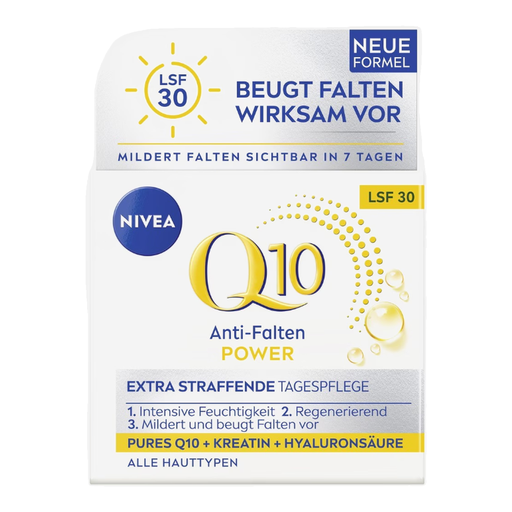
Why it stands out This cream combines the proven coenzyme Q10 with creatine to support the skin's own collagen production. With an SPF 30, it offers solid protection for everyday life, thus working preventatively against the formation of new wrinkles caused by sun exposure.
Benefits
Who is it for? For users seeking a reliable and straightforward firming day cream for daily use. It is an excellent choice for individuals who prioritise a higher sun protection factor and want to leverage the benefits of Q10.
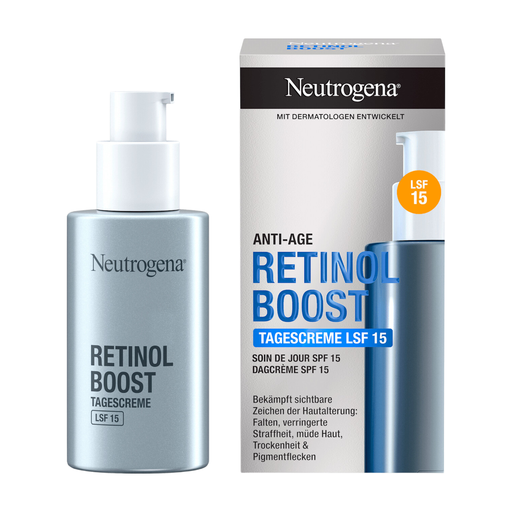
Why it stands out This product is distinguished by its use of pure retinol (0.1%), an active ingredient renowned for its ability to improve the appearance of wrinkles and skin texture. The formula is specifically designed for daytime use and includes a base level of sun protection.
Benefits
Who is it for? For individuals looking to specifically integrate retinol into their skincare routine to combat advanced signs of ageing, such as wrinkles and an uneven skin tone. The recommendation for a gradual introduction makes it a viable option for a retinol cream for beginners. The SPF 15 offers basic protection.
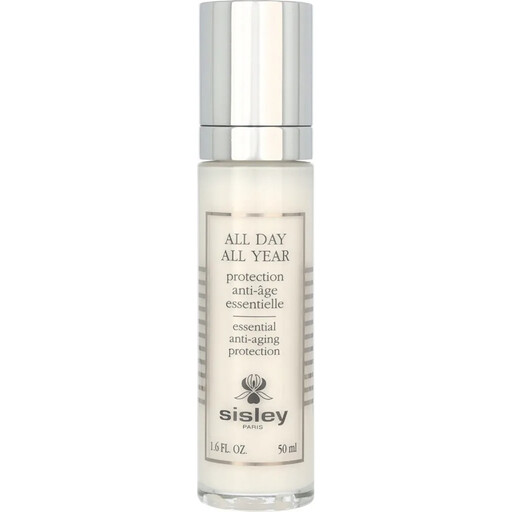
Why it stands out This cream positions itself as a comprehensive shield for the skin. It was developed to protect the skin not only from UV rays but also from other environmental stressors like pollution. The formulation aims to strengthen cell cohesion and support the skin barrier.
Benefits
Who is it for? For users who wish to invest in high-end, comprehensive protective care that goes beyond mere sun protection. It is suitable for normal skin types and anyone looking to shield their skin from a broad spectrum of daily environmental aggressors.
The products presented here are a curated selection representing different approaches to anti-ageing care. If you would like to discover more formulations or specialised products for Face Protection, you will find a diverse range for various skin needs in our broader category.
1. Can a day cream with SPF replace sunscreen? For normal daily life with brief sun exposure, such as the commute to work, a day cream with SPF 15 or 30 is generally sufficient. However, for prolonged periods in direct sun, such as on holiday or during outdoor sports, a dedicated, often water-resistant sunscreen with a high SPF (50+) should be applied in addition.
2. At what age does an anti-ageing day cream make sense? The skin's ageing process begins as early as one's mid-20s. Therefore, it is wise to start with preventative measures early on. A daily moisturiser with sun protection is the most important first step. Targeted active ingredients like retinol or peptides are often integrated into the routine from the late 20s or early 30s, depending on individual skin condition and needs.