
Lieferung heute & morgen

Qualitätsgarantie

Willkommens-Angebote freischalten: KOSTENLOSE Lieferung | Bis zu 80 % RABATT | Kostenlose 30-Tage-JoyPlus-Testphase
App herunterladen
A good anti-aging day cream with SPF is more than just a moisturiser. It's a daily shield against UV radiation—the primary cause of premature skin aging—while simultaneously delivering active ingredients that aim to reduce wrinkles and maintain skin elasticity. However, the market can be overwhelming, and many products don't live up to their advertising claims. This guide will help you separate the effective from the ineffective and make an informed decision.
Many consumers invest in products that are unsuitable for their skin or overestimate their protective function. Watch out for these three typical marketing traps:
To avoid a poor investment, you should check three core parameters. These will help you objectively evaluate a product's promises.
The integrated sun protection is the most important anti-aging feature of your day cream. Pay attention to the following details:
Effective skincare for mature skin is based on a synergistic combination of ingredients that addresses various needs.
The base of any cream determines how it feels on the skin and whether it will clog pores.
Here are some product recommendations tailored to different needs and budgets.
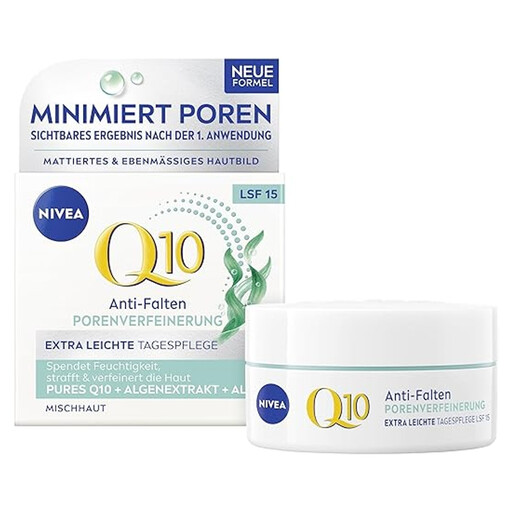
Why This Fits Their Persona: A solid, foundational product for starting an anti-aging routine. It combines the proven active ingredient Q10 with a basic SPF 15 and is specifically formulated for combination skin, making it a practical and affordable all-in-one solution for daily use.
The formula is explicitly described as a light cream for combination skin, thus bypassing the "one-size-fits-all" trap. It offers a transparent combination of an antioxidant (Q10) and basic sun protection.
Excellent value for money. According to the manufacturer, the texture is light, absorbs quickly, and mattifies the skin, making it suitable for daily use under makeup.
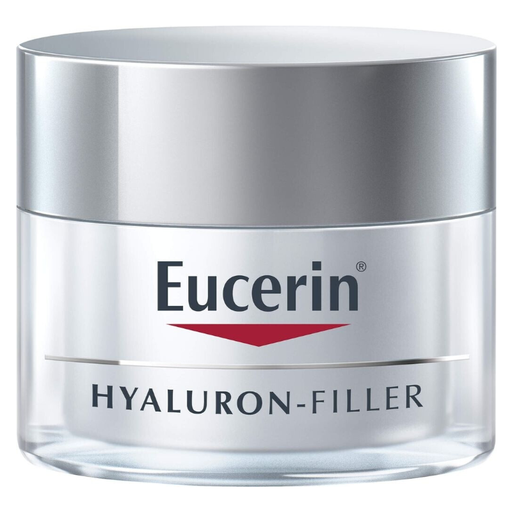
Why This Fits Their Persona: Ideal for users who prefer a science-backed approach. This cream combines a solid SPF 30 with a clear focus on hydration and wrinkle-filling through hyaluronic acid, making it a reliable choice for daily preventative care.
This product directly addresses the SPF trap by offering SPF 30 with certified UVA/UVB protection. Instead of a vague "miracle ingredient," it focuses on hyaluronic acid, a well-documented hydrating agent.
Provides enhanced daily protection (SPF 30). According to the manufacturer, the formula contains a combination of high and low molecular weight hyaluronic acid to target different layers of the skin.
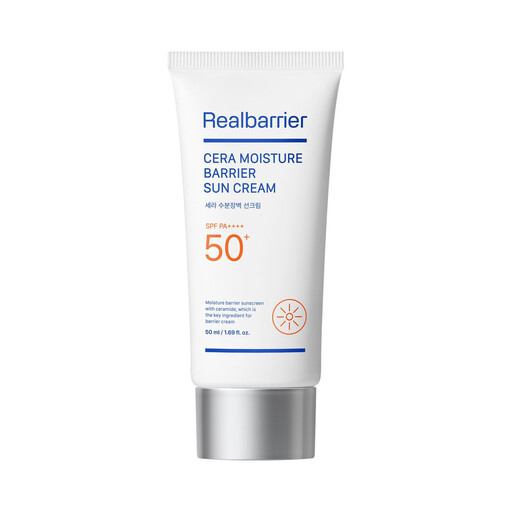
Why This Fits Their Persona: Perfect for anyone who prioritises maximum sun protection to prevent photoaging. The formula with SPF 50+ and the highest UVA rating (PA++++) is ideal for fair skin types or individuals who spend a lot of time outdoors.
This product solves the problem of inadequate protection by offering very high broad-spectrum coverage. Instead of focusing on a single anti-aging ingredient, the cream prioritises fundamental skin barrier health with ceramides.
Very high SPF 50+ and PA++++ protection. The formula, featuring patented MLE Technology, ceramides, and panthenol, is designed to strengthen and soothe the skin barrier, according to the manufacturer.
We have compiled a complete, real-time updated list of products that fully meet these strict selection criteria and UK regulations.
1. Is a day cream with SPF enough sun protection on its own?
For a typical day with brief time spent outdoors, a day cream with SPF 30 or 50 can be sufficient, provided it is applied generously. However, for strong, prolonged sun exposure, on holiday, or during sports, an additional, water-resistant sunscreen that is reapplied every two hours is essential. No sunscreen product offers 100% protection.
2. At what age does an anti-aging day cream make sense?
Skin aging begins in your mid-20s, even if it's not yet visible. Preventative care, especially a face moisturiser with SPF, is therefore sensible from a young age. Targeted active ingredients like peptides or retinol are often recommended from age 30 onwards, depending on individual skin condition and needs.
3. Can I use a wrinkle cream with sunscreen on oily skin?
Yes, but choosing the right formulation is crucial. Instead of rich creams, you should look for lightweight textures like gels or fluids. Pay attention to labels like "oil-free" and "non-comedogenic." These products provide moisture and protection without clogging pores or leaving a greasy film.