
Lieferung heute & morgen

Qualitätsgarantie

Willkommens-Angebote freischalten: KOSTENLOSE Lieferung | Bis zu 80 % RABATT | Kostenlose 30-Tage-JoyPlus-Testphase
App herunterladen
An anti-aging face cream should moisturise dry skin, support its moisture balance and help the complexion appear smoother with regular use. The selection ranges from a simple moisturiser for fine lines to an intensively formulated retinol cream. What matters is not the most striking marketing claim, but the combination of active ingredient profile, skin compatibility, sun protection and appropriate use.
As a Joybuy Product Recommendation Officer, I filter the most important product information and assess it according to transparent purchasing criteria. This helps avoid common mistakes when buying an anti-wrinkle cream or face cream for fine lines.
Many day creams are marketed as anti-aging creams but contain no UV protection or only limited protection. UV radiation can contribute to premature skin aging. A standard anti-aging day cream therefore does not automatically replace a separate sunscreen. If you are looking for a face cream with SPF, check the specific SPF rating and UVA indication on the packaging and product page.
Retinol, retinal and highly concentrated alpha hydroxy acids are not equally suitable for every skincare routine. A retinol cream may initially contribute to dryness, redness or a feeling of tightness. An AHA cream containing glycolic acid can also increase sensitivity to light. A higher concentration is therefore not a universal quality indicator; it must match your experience and skin tolerance.
Wrinkles, dryness, pigmentation and an uneven complexion require different types of care. Hyaluronic acid is often used to provide moisture, while peptides, vitamin A derivatives and antioxidants fulfil other functions within a formula. The complete INCI list is more informative than a single marketing term displayed on the front of the packaging.
When choosing an anti-aging cream for mature skin, the formula should match your personal skincare goals:
An anti-aging night cream can have a richer texture, while a day cream is often designed to layer comfortably beneath sunscreen and make-up. Ingredients such as retinoids and highly concentrated AHA products are often used in the evening. However, a day cream with SPF 15, such as the Eucerin Hyaluron-Filler Day Care listed here, may not replace additional UV protection in every situation.
Fragrance, alcohol, menthol and certain fragrance allergens may be relevant for sensitive skin. Before applying a product over a larger area for the first time, perform a patch test on a small area of skin. If redness, burning or flaking persists, discontinue use.
Retinoids and AHA products require particular care:
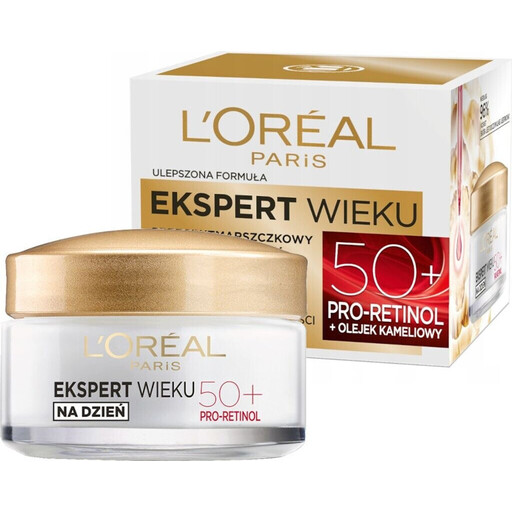
Why does it suit this profile? According to the product description, this 50 ml day cream is intended for mature skin and can be used in the morning and evening.
The product information explicitly states that it contains no sun protection. This makes it possible to pair the day cream with a separate UV protection product.
Glycerin, Dimethicone, Adenosine and Retinyl Palmitate are listed in the INCI formula. Fragrance and several fragrance allergens should be taken into account for sensitive skin.
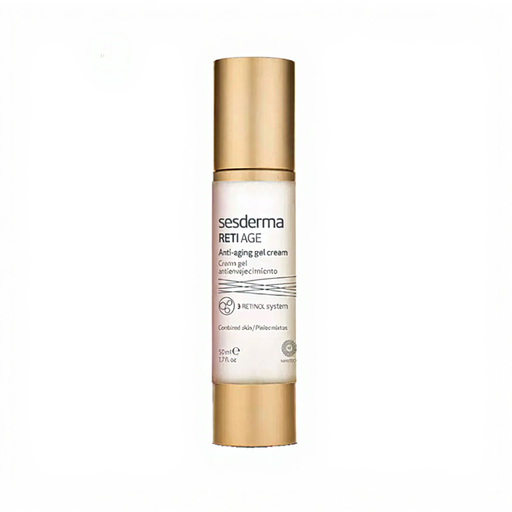
Why does it suit this profile? The formula contains retinol, retinal, retinyl propionate, hyaluronic acid, vitamin C and vitamin E.
The presence of several vitamin A derivatives makes a gradual introduction and daily sun protection particularly important.
According to the product information, the cream is intended for the face, neck and décolleté and can be used during the day or evening.
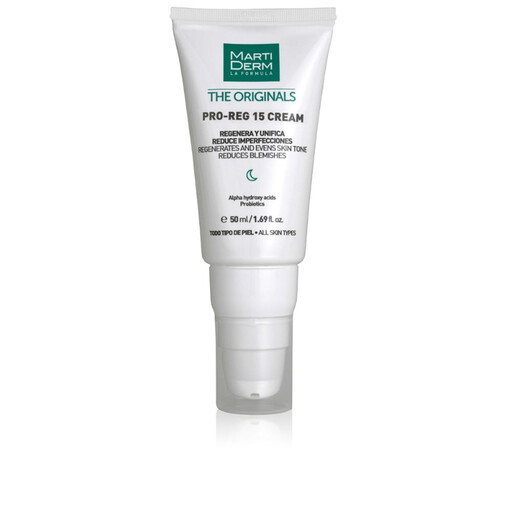
Why does it suit this profile? Intended as an evening treatment, it contains 15% glycolic acid, collagen and tocopherol according to the product information.
Use is clearly limited to the evening. The stated AHA warning means additional UV protection is required while using the product.
The glycolic acid concentration is stated transparently. Particular caution is required for sensitive or already irritated skin.
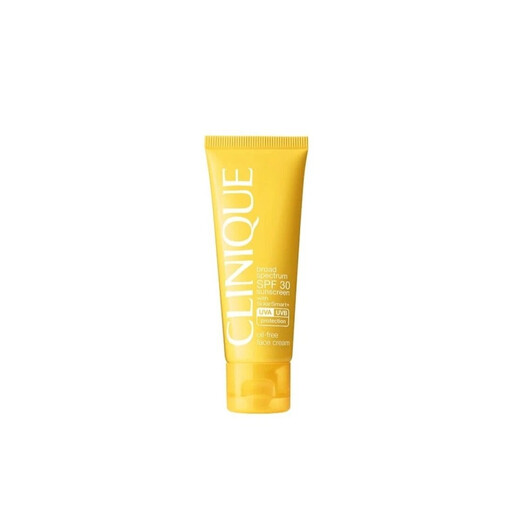
Why does it suit this profile? This SPF 30 face cream is intended for daily use before spending time outdoors.
The specific sun protection factor is clearly stated. During prolonged sun exposure, sweating or towelling off, reapply the sunscreen in line with the manufacturer's instructions.
According to the product information, the oil-free formula is suitable for all skin types and can be worn under make-up.
For dry, mature skin, a richer moisturiser for fine lines containing glycerin, oils, shea butter or hyaluronic acid may be a suitable choice. The sebamed Anti-Ageing Rebuilding Cream Q10 and Vitamin A contains, among other ingredients, almond oil, avocado oil, shea butter, ubiquinone, sodium hyaluronate and bisabolol.
Specially developed textures are available for men. However, an anti-aging cream for men does not necessarily need to differ from a unisex face cream. Skin type, fragrance, alcohol content, finish and post-shave compatibility are the factors that matter. If required, you can find additional products in the men's anti-wrinkle cream category.
The full category offers products organised by active ingredient, target group, texture and intended use to suit different skin needs.
Formulas containing glycerin, hyaluronic acid, sodium PCA, oils or shea butter can be a sensible choice. A rich cream can be used in the morning and evening. If your skin is also sensitive, check the INCI list for fragrance, alcohol and known allergens.
The printed best-before date and the period-after-opening symbol, such as “12M”, are the key references. Retinoids, vitamin C derivatives and botanical ingredients that are prone to oxidation should be stored in a cool, dry place away from direct light. Changes in scent, colour or consistency may indicate that the product should no longer be used.
For many users, combining them is unnecessarily demanding on the skin at first. A retinol cream and an AHA cream are best used on alternate evenings, provided the skin tolerates both active ingredients. If significant irritation occurs, reduce or discontinue use. Suitable sun protection should be part of your daytime routine.