
Lieferung heute & morgen

Qualitätsgarantie

Willkommens-Angebote freischalten: KOSTENLOSE Lieferung | Bis zu 80 % RABATT | Kostenlose 30-Tage-JoyPlus-Testphase
App herunterladen
The selection of an anti-aging face mask is based on an analysis of specific active ingredients and their concentrations, tailored to the individual needs of the skin. Such masks are designed to deliver concentrated ingredients to the skin to address signs of aging such as fine lines, loss of firmness, or an uneven complexion. The primary mechanism of action often relies on intense hydration, stimulating cell renewal, or protecting against external stressors.
The effectiveness of a face mask depends on its formulation and the synergy of its ingredients. An informed decision should consider the following technical criteria:
The foundation of any effective mask is its active ingredients. Certain molecules have proven to be particularly relevant in skincare:
The delivery format influences the application and potential mode of action:
Based on an analysis of product specifications and ingredients, we present a selection of face masks.
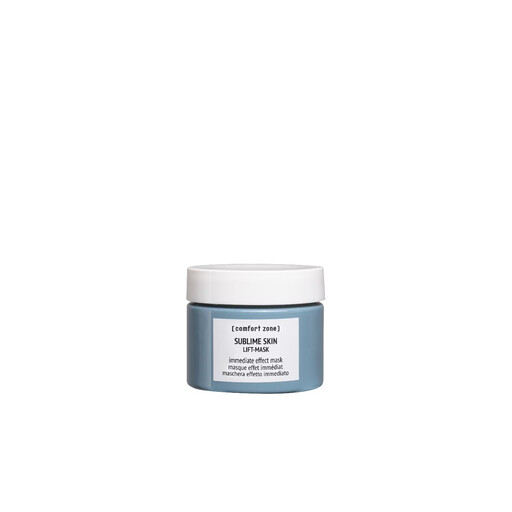
Why we recommend this product: This firming face mask stands out with a formula containing 98.8% ingredients of natural origin. The main active ingredient is Macro Hyaluronic Acid, known for its powerful hydrating and plumping properties. Its versatile application as a 10-minute intensive treatment or as an overnight mask offers flexibility. The included brush allows for precise and hygienic application.
Pros:
Best for: Users seeking a multi-functional, plumping mask with a high percentage of natural ingredients who value both quick and intensive treatment options.
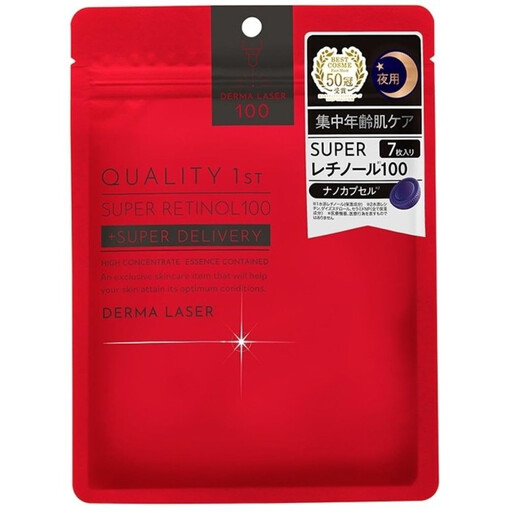
Why we recommend this product: This anti-aging sheet mask from Japan utilises a high concentration of retinol and an advanced nanocapsule technology. This technology is designed to accelerate the penetration of active ingredients into the stratum corneum. Designed for a short application time of just three minutes, the mask targets the reduction of fine lines and the refinement of pores. The formula is free from preservatives.
Pros:
Best for: Users seeking an intensive, fast-acting anti-wrinkle mask with the active ingredient retinol. Due to the potency of the active ingredient, it is particularly suitable for individuals who already have experience with retinoids or are looking for a targeted course of treatment.
The market offers a variety of specialised formulations tailored to different skin needs. You can find a broader selection of products in our Anti-Aging Mask category.
1. How often should you use an anti-aging face mask? The frequency of use depends on the product's formulation and your individual skin condition. Hydrating masks can be used several times a week. Products with highly concentrated active ingredients like retinol are often recommended for use once or twice a week. It is advisable to follow the manufacturer's instructions.
2. Can you leave an anti-aging mask on overnight? Yes, so-called sleeping masks or overnight masks are explicitly designed for overnight use. For other mask types, such as rich cream masks, this is also often possible if specified by the manufacturer. Sheet masks, however, should be removed after the recommended application time (usually 10–20 minutes), as a drying sheet could draw moisture away from the skin.
3. Which active ingredients are most important in an anti-wrinkle mask? For the targeted treatment of wrinkles, active ingredients such as retinoids (retinol) for promoting collagen production, peptides for improving skin firmness, and hyaluronic acid for plumping fine lines caused by dryness are of particular importance. Antioxidants like Vitamin C can provide additional protection against environmental aging.