
Lieferung heute & morgen

Qualitätsgarantie

Willkommens-Angebote freischalten: KOSTENLOSE Lieferung | Bis zu 80 % RABATT | Kostenlose 30-Tage-JoyPlus-Testphase
App herunterladen
By a Joybuy Product Recommendation OfficerPublished August 29, 2026
The search for the right facial sunscreen can quickly feel overwhelming. The market is filled with promises of "invisible textures" and "universal tints" that often fail to deliver in practice. Many users invest in products that end up in a drawer because they leave a white cast, create a greasy film, or cause breakouts.
This guide will help you navigate the typical pitfalls. We focus on the crucial criteria that truly matter, so you can make an informed decision on a product that fits your skin type and needs.
Before diving into the details, it's helpful to know the most common marketing traps that can lead to a bad purchase.
To find a suitable sunscreen, you should focus on objective and verifiable properties. The following three parameters are decisive.
The choice of filter system is the foundation for skin compatibility and how the product feels upon application.
For daily use on the face, especially as a measure for effective anti-aging sun protection, a high protection factor is recommended.
The base formulation and nourishing ingredients determine whether you will enjoy using the product daily.
Here are some recommendations tailored to specific user profiles and the criteria mentioned above.
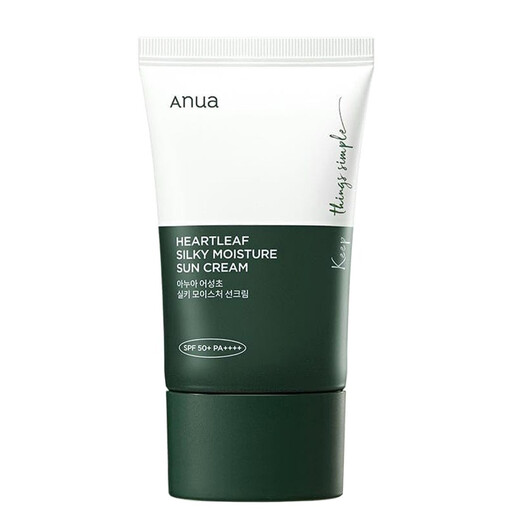
Why This Fits Their Persona: Ideal for users looking for a lightweight, moisturising, and soothing daily sunscreen that works perfectly under makeup and leaves no residue.
This product delivers on the "lightweight texture" promise. The gel-like consistency of this Korean sunscreen absorbs quickly without being sticky or leaving a white cast, debunking the myth of many supposedly "light" creams.
High broad-spectrum protection (SPF50+/PA++++) combined with skin-soothing Houttuynia Cordata extract and niacinamide. Vegan and fragrance-free formula.
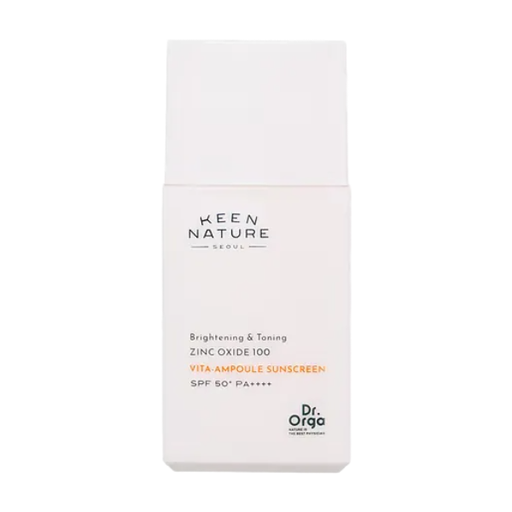
Why This Fits Their Persona: Perfect for individuals with very sensitive skin who want to avoid chemical filters but still desire a lightweight, nourishing texture without a heavy white cast.
This mineral sunscreen bypasses the typical white cast problem with its lightweight serum texture. It's designed to blend well into the skin, leaving a radiant finish instead of a chalky film.
Purely mineral protection with zinc oxide, high broad-spectrum coverage (SPF 50+ PA++++), and an eco-friendly, reef-safe formula. Moisturises and smooths the skin.
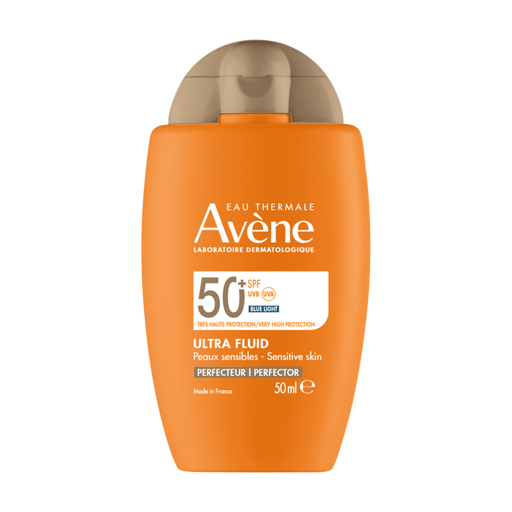
Why This Fits Their Persona: For users who want a light tint to even out their skin tone without using a heavy foundation. Especially suitable for sensitive skin types who trust proven pharmacy brands.
This product avoids the "universal shade" trap by being positioned as a light colour corrector, not a full-coverage foundation. Its sheer tint adapts more flexibly to various skin tones.
Very high protection (SPF50+) against UVB, UVA, and HEV blue light. The formula, featuring the TriAsorB filter system, is specifically designed for sensitive skin and is water-resistant.
1. How much sunscreen should I use on my face? A common recommendation is the "two-finger rule": apply two strips of sunscreen to your index and middle fingers. This amount is sufficient to completely cover your face and neck and achieve the SPF listed on the packaging. Using too little significantly reduces protection.
2. Can I still use sunscreen from last summer? Check the expiration date on the packaging. Additionally, there is often a Period After Opening (PAO) symbol of an open jar, which indicates how many months the product is good for after opening (e.g., "12M"). If the product smells strange, has changed in colour or consistency, or the date has passed, it should be discarded as its protective effect is no longer guaranteed.
3. What is the difference between sunscreen for the face and for the body? Facial sunscreens are typically formulated to be lighter, non-comedogenic (won't clog pores), and often contain additional skincare ingredients like antioxidants or hyaluronic acid. They are designed to work well under makeup and not leave a greasy film. Body sunscreens are often richer and more cost-effective for application on large areas.