
Lieferung heute & morgen

Qualitätsgarantie
App herunterladen
Kategorien
Selecting an anti-ageing mask is now driven by specific active ingredients and their precise concentrations. Rather than relying on vague promises, the focus has shifted to technical parameters like ingredient synergies, delivery systems, and penetration technologies. For consumers seeking to tangibly improve skin texture, reduce wrinkles, and enhance firmness, a clear understanding of the underlying mechanisms is essential. This article analyses the mode of action of key ingredients and presents a curated selection of products based on their technical specifications.
A mask's effectiveness depends on the combination of its active ingredient profile and application method. The following criteria provide a rational basis for making an informed product decision.
The formulation is the core of any ingredient-led skincare. Three ingredient groups are of particular interest in the field of skin rejuvenation.
Retinol: As a form of Vitamin A, retinol is an extensively researched ingredient. Its primary function is to support the skin's cellular renewal process. This can contribute to a more refined skin texture, a reduction in wrinkle depth, and the minimisation of enlarged pores. Products containing retinol, such as a retinol mask, are typically recommended for evening use, as the active ingredient can increase the skin's photosensitivity. Therefore, consistent use of sunscreen the following day is mandatory.
Collagen: Collagen is a structural protein responsible for the skin's firmness and elasticity. In topical applications, such as a collagen mask, it primarily serves as a potent hydrating agent. It forms a film on the skin that reduces transepidermal water loss (TEWL) and temporarily plumps the skin's surface. The molecular size of the collagen used is a relevant factor for its bioavailability.
Stem Cell Extracts and Growth Factors (EGF): Stem cell cosmetics do not use live stem cells, but rather extracts or cultured media rich in signalling molecules and growth factors. These ingredients are intended to stimulate the skin's own regeneration and repair processes. Epidermal Growth Factor (EGF), for example, is a protein that can stimulate cell proliferation and differentiation.
The mask material significantly influences both active ingredient delivery and the user experience.
Sheet Mask: An anti-wrinkle sheet mask is typically made of cotton, non-woven fabric, or cellulose, saturated in a highly concentrated essence. It ensures intense and even contact with the skin for a defined period.
Hydrogel Mask: These masks consist of a polymer gel that holds the active ingredients directly within its matrix. A hydrogel mask is characterised by its excellent adhesion and cooling effect. It can often be worn for an extended period as it dries out more slowly and releases its active ingredients continuously.
Overnight Mask: Products designed as an overnight mask are intended for a prolonged application time while you sleep. They can be formulated as a rich cream or as a specialised sheet or hydrogel mask to optimally support the skin's nocturnal regeneration phase.
The following selection is based on the products' technical specifications and formulation approach.
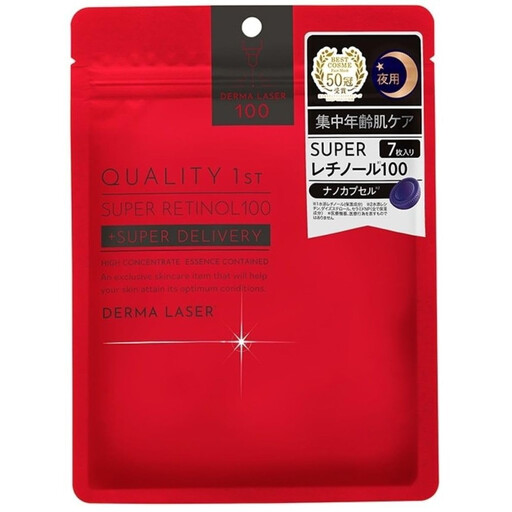
Why We Recommend This Product: This product uses nanocapsule technology to keep the retinol stable and promote its penetration into the stratum corneum. The formulation is designed for a short but intensive application of just three minutes, making it ideal for an efficient evening routine. According to the manufacturer, the composition is free from preservatives.
Benefits:
Who It's For: Users looking for a highly concentrated, fast-acting retinol mask for evening use to specifically target skin texture, pore refinement, and line reduction.
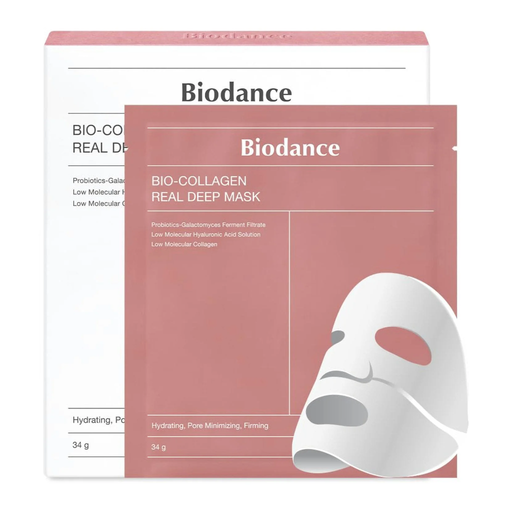
Why We Recommend This Product: This hydrogel mask from the world of Korean Skincare stands out for its material technology. The mask becomes transparent as the skin absorbs the active ingredients, providing visual feedback on the process. It is designed for extended wear of 3-4 hours or even overnight and combines low-molecular-weight collagen with a probiotic complex.
Benefits:
Who It's For: Individuals seeking an intensive, long-lasting hydrating and firming treatment, especially as an overnight mask. Ideal for users who appreciate the visible effect of an advanced collagen mask.
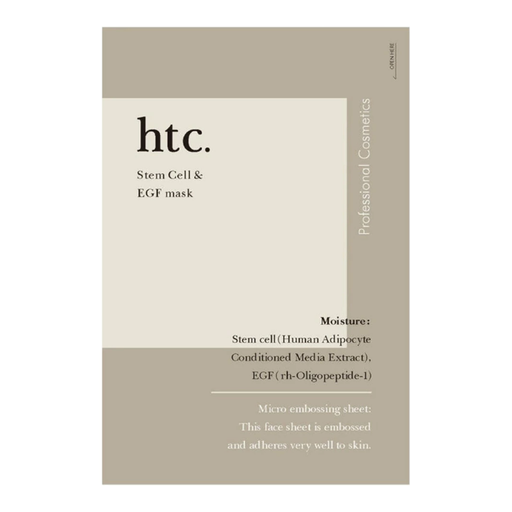
Why We Recommend This Product: This product focuses on ingredients from the field of stem cell cosmetics and Epidermal Growth Factor (EGF). The formulation aims to support the skin's natural regenerative processes and promote elasticity. It represents a technologically advanced approach to anti-ageing care.
Benefits:
Who It's For: Users with an interest in cosmetic innovations who are looking for a mask to support skin rejuvenation and improve firmness, relying on advanced active ingredient complexes.
While this guide focuses on active ingredients for mature skin, the market also offers highly specialised solutions for other requirements. Product development takes into account diverse skin conditions and age groups. An overview of products for other target audiences, such as kids face mask, demonstrates the wide range of available formulations.
1. How often should you use an anti-ageing mask? The frequency of use depends heavily on the product's formulation and individual skin tolerance. For most intensive masks, an application of 1-3 times per week is recommended. Products with highly concentrated active ingredients like retinol should initially be used less frequently to monitor the skin's reaction. Always follow the manufacturer's instructions.
2. Can a retinol mask be used daily? Daily use of a retinol mask is generally not recommended, especially at higher concentrations. Overuse can lead to irritation, dryness, and increased sensitivity. It is advisable to start with one application per week and slowly increase the frequency if the skin tolerates it well. Application should be exclusively in the evening, followed by a broad-spectrum sunscreen the next day.
3. What is the difference between a sheet mask and a hydrogel mask? A sheet mask is a carrier material (e.g., cotton) saturated with a liquid essence. It delivers active ingredients to the skin quickly. A hydrogel mask consists of a gel polymer that binds the active ingredients within its structure. It often adheres better to the skin, has a cooling effect, and allows for a slower, more continuous release of active ingredients over a longer period.