
Lieferung heute & morgen

Qualitätsgarantie

Willkommens-Angebote freischalten: KOSTENLOSE Lieferung | Bis zu 80 % RABATT | Kostenlose 30-Tage-JoyPlus-Testphase
App herunterladen
The skin around your eyes is thinner than the rest of your face, and many people find it more sensitive, too. So when choosing an eye cream, look beyond the packaging, brand name and marketing claims. What matters most is your skin’s needs, the ingredients, the texture and whether it’s easy to make the product part of your regular skincare routine.
Whether you’re looking for an anti-ageing eye cream, an eye cream for wrinkles, an eye cream for dark circles or a moisturising eye cream, not every product will suit every concern. The criteria below can help you avoid buying the wrong one.
Terms such as ‘retinol’, ‘peptides’ or ‘hyaluronic acid’ tell you which ingredients a product contains; they don’t guarantee a specific change in your skin. An eye cream with hyaluronic acid can help retain moisture in the surface of the skin, leaving it feeling smoother. That doesn’t automatically mean deep wrinkles will disappear.
A peptide eye cream or retinol eye cream should also be assessed by checking the full INCI list and the directions for use. The concentration of the active ingredient isn’t stated for every product.
Dark circles can be caused by various factors, including your natural skin tone, shadows, visible blood vessels or lack of sleep. Puffiness may be temporary or related to your individual anatomy. An eye cream for dark circles or an eye cream for puffiness can support the care and appearance of your skin, but it can’t address every cause.
Be cautious of claims that promise to completely eliminate dark circles or provide lasting firming. Without specific evidence, these shouldn’t be treated as guaranteed product benefits.
Eye care for sensitive skin should ideally have a straightforward formula. Fragrance, essential oils, alcohol or several active ingredients may be problematic for some people. Even a product marketed as gentle may not suit everyone. It’s a good idea to patch-test on a small area of skin and follow the manufacturer’s instructions.
For dry skin, ingredients to consider include glycerin, panthenol, squalane, shea butter and hyaluronic acid. A moisturising eye cream containing several humectants may be particularly suitable for dry skin or skin that feels tight.
Retinol, retinal, bakuchiol and peptides are often used to target early visible lines. Retinal is a vitamin A derivative and should be introduced gradually into your routine. Always pay close attention to the directions for use with a retinol or retinal eye cream. Use suitable sun protection during the day. If you’re pregnant or breastfeeding, speak to a healthcare professional before using vitamin A derivatives.
Bakuchiol is often used as a plant-based ingredient in bakuchiol eye creams. Calling it a ‘plant-based alternative’ doesn’t mean the two ingredients are identical. So if you choose a Korean eye cream, check the specific INCI list just as you would for a European or American brand.
Gel textures usually absorb quickly and can work well under make-up. Richer creams are often better suited to dry skin or an evening routine. If your eyelids are sensitive, products without added fragrance may be a simpler option to consider.
It’s also important not to apply eye cream directly to your lash line or into your eye. A small amount is enough. Gently pat it in with your ring finger, without rubbing or pulling at the skin.
Eye creams are often sold in sizes ranging from 10 to 30 millilitres. A larger pack isn’t automatically better value if you leave the product unused for a long time after opening. Check:
Stop using the product if you experience redness, burning or persistent irritation. If you have any eye symptoms, seek medical advice.
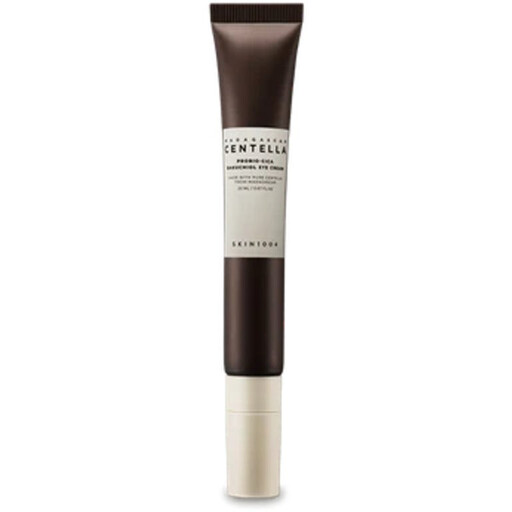
Why it suits this shopper: Its gel-like, non-sticky texture and blend of bakuchiol, Centella asiatica extract and humectants make it appealing if you’re looking for straightforward daily eye care.
The product description names specific ingredients and suggests using a small amount, rather than relying solely on sweeping anti-ageing claims.
20 ml size, with bakuchiol, Centella asiatica and probiotic Cica components, according to the product details.
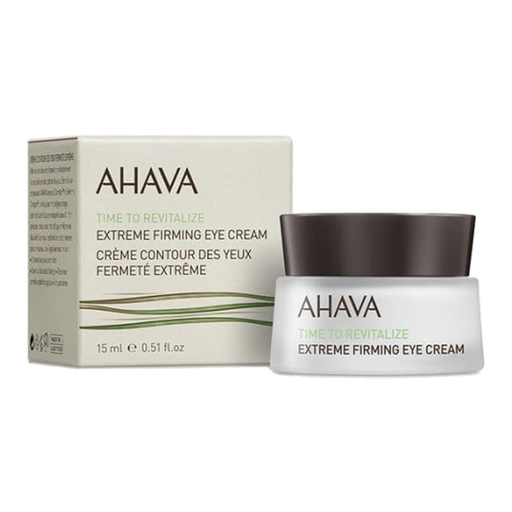
Why it suits this shopper: According to the product description, this richer cream contains hyaluronic acid, shea butter, peptides and minerals from the Dead Sea. It’s aimed at anyone who prefers intensive care.
The choice is based on the stated texture and named ingredients, rather than just claims about visibly firmer skin.
Fragrance-free according to the product details, ophthalmologically tested according to the manufacturer, and formulated with hyaluronic acid and peptides.
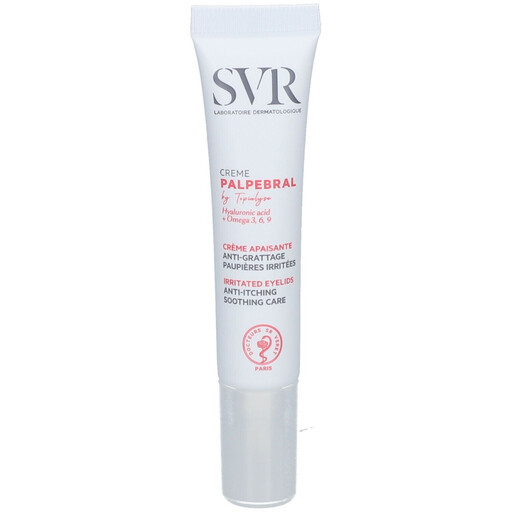
Why it suits this shopper: The product description says this cream is designed for sensitive eyelid skin and contains omega 3, 6 and 9, as well as hyaluronic acid. It may suit shoppers who prioritise barrier care over anti-ageing ingredients.
The product focuses on rich care for the eyelids, rather than hard-to-verify claims about wrinkles or dark circles.
15 ml size, a rich texture and, according to the product description, suitable for adults, babies and children.
We’ve put together a complete, regularly updated list of products that meet these strict selection criteria and the safety regulations in force in the EU.
Apply a small amount of eye cream to clean skin. Ideally, dab it along the bony area beneath your eye and along your brow bone. Avoid rubbing. If you’re introducing a new active ingredient, such as retinol or retinal, or a combined retinol and bakuchiol eye cream, start slowly – for example, by using it on selected evenings each week.
An eye cream for mature skin can be used alongside a neutral moisturiser. However, layering several potent products won’t automatically make them more effective. If you have sensitive skin, a simple routine is often easier to assess.
It depends on the formula. Moisturising products are often used morning and evening, if that’s what the manufacturer recommends. Start by applying retinol or retinal products less often and only in the evening. Pause use if irritation occurs.
Check the PAO symbol and best-before date on the packaging. The recommended period of use after opening is often between six and twelve months, but this can vary by product. If the cream changes in smell, colour or consistency, stop using it.
Look for a straightforward INCI list and a fragrance-free formula if you want to avoid fragrance, as well as a texture that suits you. Hyaluronic acid, glycerin and panthenol are common ingredients in moisturising products. Before using a product regularly, carry out a small patch test.