
Lieferung heute & morgen

Qualitätsgarantie

Willkommens-Angebote freischalten: KOSTENLOSE Lieferung | Bis zu 80 % RABATT | Kostenlose 30-Tage-JoyPlus-Testphase
App herunterladen
The skincare market is filled with promises. Especially when searching for an effective anti-aging serum, the sheer volume of products and marketing terms can be overwhelming. Many users invest in products that don't suit their skin type or whose advertised effects are based on exaggerated claims. As your Joybuy Product Recommendation Officer, I'll help you navigate these pitfalls and make an informed decision.
Before we dive into the crucial criteria, it's important to understand the most common marketing traps that often lead to disappointment and unnecessary expense.
To find the right product, a basic understanding of the core parameters is essential. Focus on the categories of active ingredients and the quality of the formulation.
Most effective anti-aging serums are based on one or more of the following active ingredient groups. The choice depends on your specific skin goal.
A potent active ingredient alone does not guarantee results. Effectiveness largely depends on the overall formulation.
Here are three product recommendations tailored to different user profiles and their specific requirements.
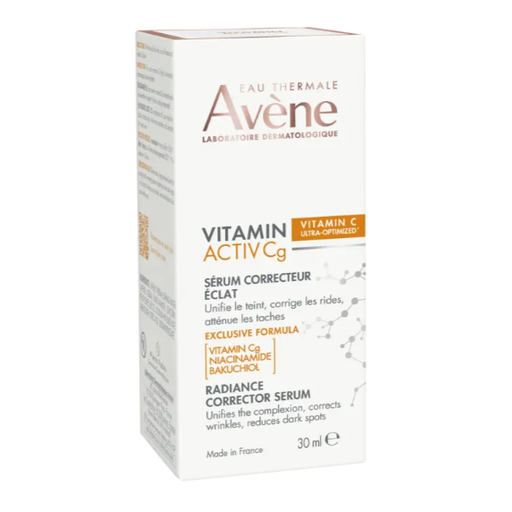
Why This Fits Their Persona: Ideal for those who are new to active ingredients or have sensitive skin. The formulation provides a gentle introduction to anti-aging care without overwhelming the skin.
It bypasses the high-concentration trap by relying on Bakuchiol (a plant-based retinol alternative) and Vitamin Cg (a stable, gentle form of Vitamin C). This minimises the risk of irritation.
Combines three dermatological active ingredients (Vitamin Cg, Niacinamide, Bakuchiol) in one formula. According to the manufacturer, it has been tested on sensitive skin.
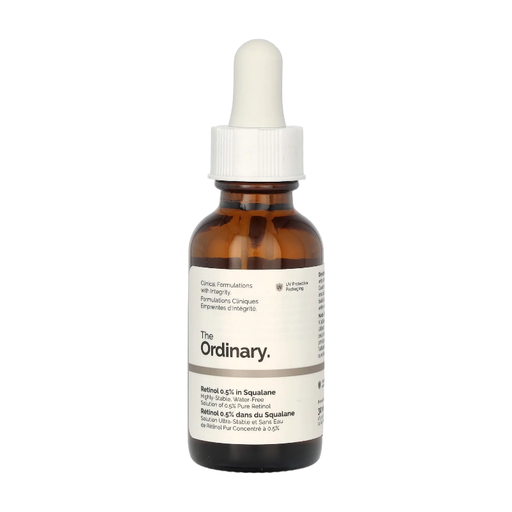
Why This Fits Their Persona: Suitable for individuals who already have experience with retinoids and are looking for a medium-strength concentration to specifically target the appearance of wrinkles and uneven skin texture.
This product is transparent about its concentration and avoids the "miracle ingredient" trap by focusing on a well-researched ingredient. The formulation in Squalane counteracts the typical dryness associated with retinol.
Water-free formulation to ensure retinol stability. The squalane base provides moisture and can increase tolerability.
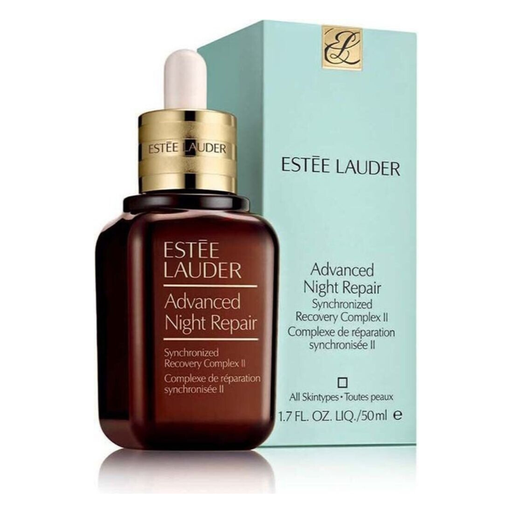
Why This Fits Their Persona: For users seeking a multi-functional product that simultaneously addresses multiple signs of aging, such as loss of firmness, lines, and dryness, while supporting the skin's nightly repair cycle.
This serum avoids the "miracle ingredient" myth by taking a complex approach. It doesn't promote a single ingredient but rather the Chronolux Power Signal Technology, a combination of various active ingredients.
Comprehensive formula with peptides, hyaluronic acid, and antioxidants. According to the manufacturer, it is suitable for all skin types and is oil-free.
We have compiled a complete, up-to-date list of products that fully meet these strict selection criteria and applicable regulations.
A serum should always be applied after cleansing and after any toner, but before richer creams or oils. The general rule is: from the thinnest to the thickest texture. Apply the serum to slightly damp skin to enhance absorption, and let it sink in for a moment before proceeding with your moisturizer.
Yes, "layering" is possible, but it requires some knowledge. Do not combine too many potent active ingredients at once to avoid irritation. A common method is to use a Vitamin C serum in the morning (for antioxidant protection during the day) and a retinol or peptide serum in the evening. Avoid using retinol and Vitamin C in the same routine unless the products are explicitly formulated for it.
Skincare requires patience. While the hydrating effects of a hyaluronic serum are often immediately noticeable, active ingredients that target skin structure (like retinoids and peptides) need time. The skin renews itself approximately every 28 days. Therefore, the first visible improvements in wrinkles or firmness can generally be expected after 8 to 12 weeks of consistent use.