
Lieferung heute & morgen

Qualitätsgarantie

Willkommens-Angebote freischalten: KOSTENLOSE Lieferung | Bis zu 80 % RABATT | Kostenlose 30-Tage-JoyPlus-Testphase
App herunterladen
The skincare market is saturated with products promising more youthful skin. The selection of anti-aging serums, in particular, can be overwhelming. Many consumers invest in expensive products only to find that the promised results never materialise. This is often due to common marketing traps and a lack of knowledge about crucial product features.
Before you make a purchase, it's essential to understand the most common pitfalls:
To find a serum for wrinkles that truly delivers, you should focus on objective criteria rather than marketing promises. Pay attention to the following three core parameters.
A serum's effectiveness depends heavily on its active ingredients. However, it's not just the ingredient itself but also its form and concentration that make the difference.
A highly concentrated active ingredient is only useful if it gets to where it needs to work. The overall formulation is therefore just as important as the individual ingredient.
The most potent formulations are worthless if they are degraded by exposure to light and air. A plumping serum for mature skin based on unstable active ingredients must be protected accordingly. Opt for opaque packaging, airless pump dispensers, or aluminium tubes. These minimise exposure to harmful environmental factors and preserve the product's efficacy down to the last drop.
Based on the criteria above, we have identified several products suitable for different needs and user profiles.
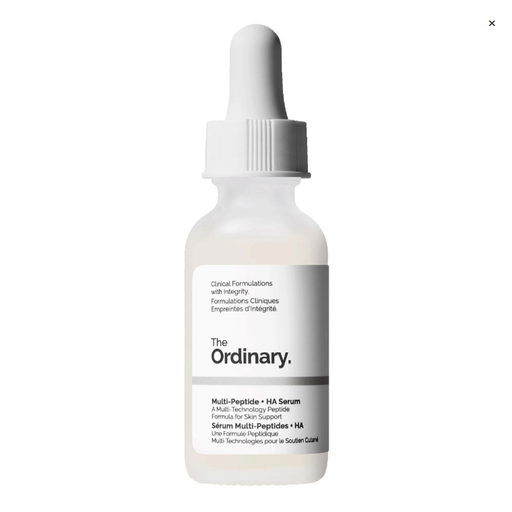
Why This Fits Their Persona: Ideal for those who want to start an effective anti-aging routine without a large budget. It offers a comprehensive approach to tackling the first signs of aging, such as fine lines and an initial loss of elasticity.
This serum relies on a combination of four well-researched peptide technologies and hyaluronic acid complexes, rather than a single, overhyped ingredient. The transparent ingredient list builds trust.
The water-based formula targets multiple signs of aging at once, improving skin elasticity and providing hydration. It's a well-tolerated option for daily use.
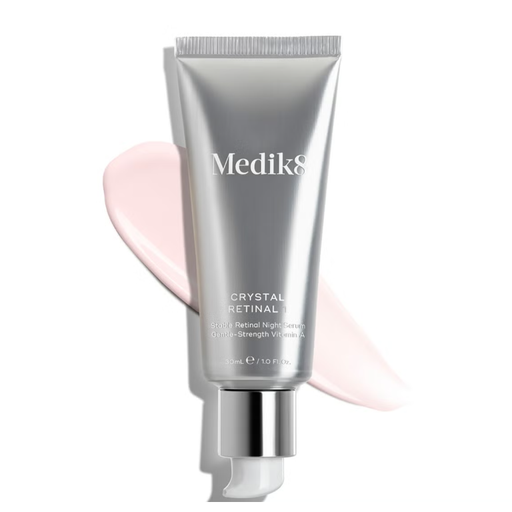
Why This Fits Their Persona: Perfect for experienced users who want to specifically target visible wrinkles and loss of firmness and are ready for a potent Vitamin A derivative.
The product uses stabilised retinal, an advanced form of Vitamin A that works faster than traditional retinol. The airless packaging ensures potency, and the clear instructions for gradual introduction prevent irritation.
The encapsulation technology ensures a stable and targeted release of the active ingredient. The formula also contains hyaluronic acid and Vitamin E to hydrate and soothe the skin.
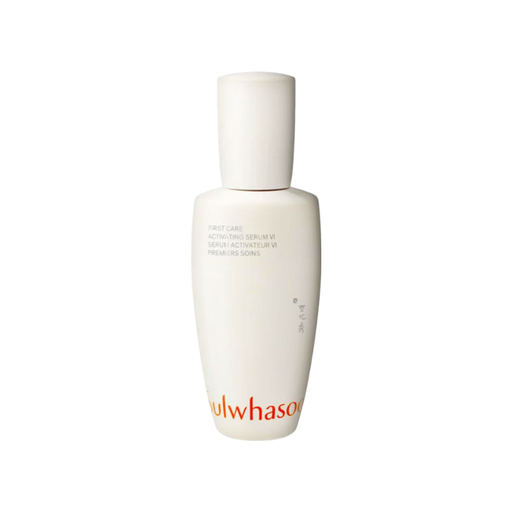
Why This Fits Their Persona: For users who view skincare as a holistic ritual and want to invest in a product that improves overall skin health and resilience, optimising their entire routine.
This serum is not marketed as a standalone solution for a specific problem, but as a foundational "booster." Its value lies in the complex, proprietary herbal blend (JAUM Activator) that targets the skin's balance.
It serves as the first step after cleansing to prepare the skin and enhance the absorption of subsequent products. According to the brand's clinical studies, it improves hydration, elasticity, and skin tone.
We've compiled a complete, up-to-date list of products that fully meet these strict selection criteria and current regulations.
1. How long does it take for an anti-aging serum to show results? The time it takes to see visible results depends on the active ingredient and your individual skin condition. With hydrating ingredients like hyaluronic acid, a plumping effect can often be seen immediately. For ingredients that work at a cellular level, like retinoids or peptides, patience is required. It can take 8 to 12 weeks to see a visible improvement in wrinkles or skin firmness.
2. Can I use retinol and vitamin C together? Combining them is possible but requires caution, as both ingredients are potent. A common recommendation is to use your vitamin C serum in the morning to benefit from its antioxidant protection during the day, and your retinol serum in the evening, as retinol can make the skin more sensitive to light. Always apply a broad-spectrum sunscreen during the day when using retinoids.
3. Do I still need a moisturiser after a hydrating serum? Yes, in most cases, this is recommended. A serum has a lightweight texture and is designed to deliver active ingredients deep into the skin. A moisturiser has a richer texture and forms a protective barrier on the skin's surface. This barrier locks in the moisture and active ingredients from the serum and protects the skin from moisture loss.