
Lieferung heute & morgen

Qualitätsgarantie

Willkommens-Angebote freischalten: KOSTENLOSE Lieferung | Bis zu 80 % RABATT | Kostenlose 30-Tage-JoyPlus-Testphase
App herunterladen
The search for an effective anti-ageing serum can quickly feel overwhelming. The market is flooded with products promising instant results and revolutionary active ingredients. However, not every face serum for mature skin delivers on its advertising claims. As your Joybuy Product Recommendation Officer, I'll help you identify the crucial quality markers and avoid common purchasing traps, so you can make an informed decision for your skincare.
Before we turn to the solutions, it's important to understand the most common issues that lead to regrettable purchases.
To find the right product, you should focus on objective criteria rather than marketing promises. Pay attention to these three decisive factors.
The effectiveness of a serum depends directly on its active ingredients and their dosage. It's crucial not only to know the name of the active but also its form.
A potent active ingredient alone is not enough; it must also get to where it needs to work. Modern formulations use intelligent delivery systems to maximise effectiveness.
The best results are often achieved through the interplay of multiple active ingredients. A well-designed formulation combines actives that support each other's effects and compensate for potential drawbacks. A classic example is the combination of Vitamin C and Vitamin E, which mutually enhance their antioxidant effects. A firming serum might combine peptides with hyaluronic acid to simultaneously promote firmness and plump the skin with moisture.
Here are some product recommendations tailored to specific user profiles and their needs.
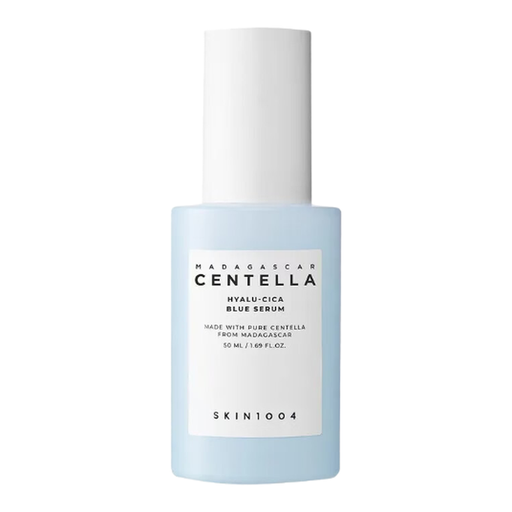
Why this product is a good fit: Ideal for those new to the world of active serums or whose skin is prone to redness and irritation. The focus is on intense hydration and strengthening the skin barrier, rather than on aggressive anti-ageing ingredients.
This serum avoids the "one-size-fits-all" trap by being specifically designed for sensitive and dehydrated skin. It focuses on soothing rather than potential irritation.
The Hyalu-Cica formula combines hyaluronic acid with Centella Asiatica extract from Madagascar to intensely hydrate and simultaneously soothe the skin.
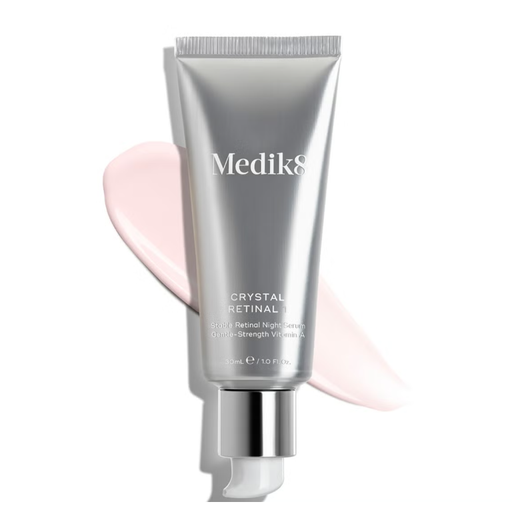
Why this product is a good fit: For users seeking a potent serum for wrinkles and who are ready to integrate a next-generation Vitamin A active into their routine to specifically improve skin texture and firmness.
It avoids the "active ingredient lure" by using a clearly declared concentration (0.01%) of a highly effective, stabilised retinal. The encapsulated form ensures stability and targeted release.
Contains stabilised retinal, which, according to the manufacturer, can work up to 11 times faster than classic retinol. The formulation is designed for gradual acclimatisation.
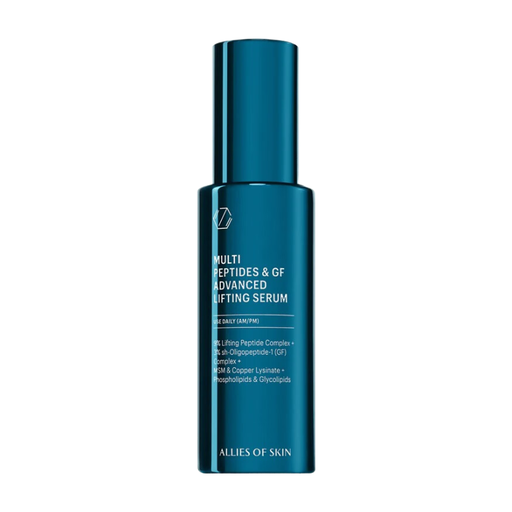
Why this product is a good fit: For experienced users seeking a high-performance lifting serum with a multi-faceted approach. It aims to comprehensively improve skin firmness and address multiple signs of ageing simultaneously.
This serum avoids the single "active ingredient lure" by combining a 9% Lifting Peptide Complex with a 3% Growth Factor Complex for a multi-factorial approach.
The highly concentrated formula is designed, according to the manufacturer, to specifically target 9 different types of wrinkles and lines and improve skin firmness.
We have compiled a full, up-to-date list of products that fully meet these strict selection criteria and all applicable safety regulations.
The time it takes to see visible results depends heavily on the active ingredient and your individual skin condition. Moisturising effects from a hyaluronic acid serum are often noticeable immediately. For actives like retinoids or peptides that work at a cellular level to stimulate collagen production, patience is required. It can take eight to twelve weeks before initial improvements in fine lines or skin firmness become visible.
Yes, but with caution. Both are highly effective ingredients. A common recommendation is to use the Vitamin C serum in the morning to benefit from its antioxidant properties for protection against environmental factors, and the retinol serum in the evening, as retinoids can make the skin more sensitive to light and cell renewal is at its peak at night.
Absolutely. Active ingredients like retinoids, as well as Vitamin C and exfoliating acids, can make the skin more sensitive to UV radiation. Without daily broad-spectrum sunscreen (at least SPF 30), you not only undermine the effect of your serum but also risk new sun damage, which accelerates the ageing process. Sunscreen is the most important step in any anti-ageing routine.