
Lieferung heute & morgen

Qualitätsgarantie

Willkommens-Angebote freischalten: KOSTENLOSE Lieferung | Bis zu 80 % RABATT | Kostenlose 30-Tage-JoyPlus-Testphase
App herunterladen
The supplement market can be overwhelming. Countless products promise to boost your energy, immune system, and focus. However, not every supplement lives up to its advertising claims. Many consumers invest in products that don't meet their needs because they fall for common marketing traps or overlook crucial product details. This guide will help you make informed decisions and find the right supplements for your individual goals.
Before you buy vitamins, it's important to understand the typical stumbling blocks that can lead to poor purchasing decisions.
To avoid these pitfalls, you should check three key aspects before making a purchase. These will help you objectively evaluate a product's quality and suitability.
The form in which a nutrient is present is crucial for its effectiveness. A good example is magnesium tablets. Magnesium oxide has a high magnesium content but is poorly absorbed by the body and can have a laxative effect in sensitive individuals. Magnesium citrate, on the other hand, is organically bound and is considered highly bioavailable. Check the ingredients list for the exact name of the compound to better assess its potential absorption by the body.
The dosage should align with your lifestyle and goals. The "% NRV" (Nutrient Reference Value) on the packaging indicates what percentage of the daily reference intake for an average adult is covered by a daily dose. A high-dose vitamin B12 supplement with 20,000% NRV can be beneficial for vegans or older adults, who often have increased needs or reduced absorption. For others, a lower dose may be sufficient. A good B-complex should contain all eight B vitamins in a balanced ratio to comprehensively support energy metabolism.
Examine the entire ingredients list. Does the product contain unnecessary fillers, artificial colours, or allergens like lactose and gluten? For a targeted supplement, such as iron supplements to reduce fatigue, a single-ingredient product or a smart combination (e.g., with vitamin C to improve iron absorption) is often a better choice than a non-specific multivitamin.
Based on the criteria above, we have compiled a selection of products suitable for various needs.
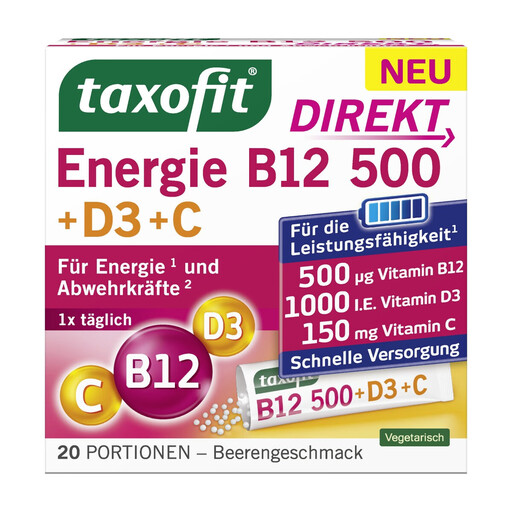
Why this product is a great fit: Perfect for a demanding workday. The direct granules can be taken without water, making them convenient for on-the-go use. The combination is designed to reduce fatigue and support energy metabolism.
Instead of being a low-dose "all-in-one" product, it offers a targeted, high-dose combination of vitamins B12, C, and D3 for energy and immune support.
High-dose Vitamin B12 (500 ?g); can be taken without water.

Why this product is a great fit: Athletes often have an increased need for minerals. This product provides a high dose of magnesium to support normal muscle function and potassium for electrolyte balance.
It focuses on the minerals most relevant to athletes in a meaningful dosage, rather than offering a broad but weak mixture.
400 mg of magnesium per tablet; combined with potassium, zinc, and B vitamins.
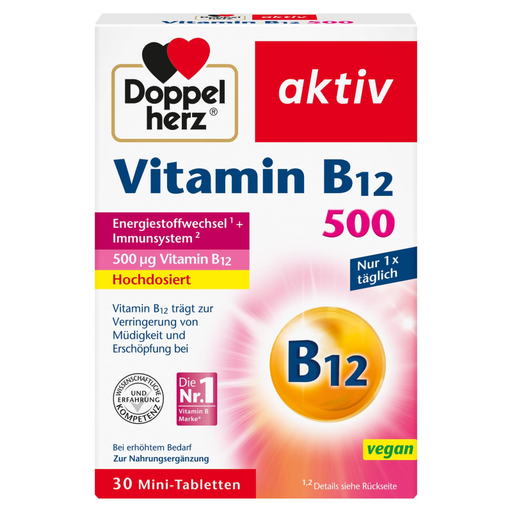
Why this product is a great fit: Vitamin B12 is found almost exclusively in animal products, making it a critical nutrient for those on a vegan diet. This product provides a high dose for targeted supplementation and is explicitly suitable for vegans.
This is a clear single-ingredient supplement that addresses a specific, well-known nutrient deficiency in a particular diet. The high dosage is appropriate here.
High-dose Vitamin B12 (500 ?g); suitable for vegans and vegetarians, gluten- and lactose-free.
We've compiled a comprehensive, up-to-date list of products that fully meet these strict selection criteria and UK/EU regulations.
1. When is the right time to take supplements? This depends on the specific nutrient. Fat-soluble vitamins (A, D, E, K) should be taken with a meal that contains some fat to improve absorption. Iron supplements are often better absorbed on an empty stomach but can cause stomach discomfort in some people. Always read the intake recommendations on the product packaging or consult your pharmacist.
2. Can supplements replace a balanced diet? No. As the name suggests, they are intended to supplement a diet, not replace it. A varied and balanced diet rich in fresh fruits, vegetables, and whole grains is the foundation of good nutrition. Supplements can help to specifically fill nutritional gaps that may arise from lifestyle, age, or special dietary choices.
3. How can I identify high-quality iron supplements? Pay attention to the iron compound used. Ferrous fumarate or ferrous gluconate are often considered more tolerable than ferrous sulfate. A combination with Vitamin C is beneficial, as it is proven to increase the body's absorption of iron. The dosage should match your individual needs, which are best determined by a medical examination to avoid overdose.