
Lieferung heute & morgen

Qualitätsgarantie

Willkommens-Angebote freischalten: KOSTENLOSE Lieferung | Bis zu 80 % RABATT | Kostenlose 30-Tage-JoyPlus-Testphase
App herunterladen
Blemish-prone skin, pimples, and blackheads can make choosing the right skincare a challenge. The face mask market often promises quick fixes, but not every product delivers on its promises. Many users invest in masks that worsen their skin problems instead of alleviating them. This guide serves as a roadmap to help you avoid common purchasing pitfalls and make an informed decision.
As a Joybuy Product Recommendation Officer, I analyse product information to provide you with objective and practical advice. The goal is to help you find a suitable anti-blemish mask that is tailored to your specific skin needs.
Before deciding on a product, it's important to know the most common pitfalls that often lead to unsatisfactory results.
To find a suitable face mask for blemish-prone skin, you should check three core parameters. These will help you objectively evaluate a product's performance.
The effectiveness of a mask depends on its active ingredients. Look for formulations that contain proven components:
Choosing the right mask type is just as important as the ingredients. Each type serves a different purpose.
A good anti-blemish mask should not only cleanse the skin but also support its protective barrier. Look for hydrating ingredients like glycerin, hyaluronic acid, or amino acids in the formulation. These help maintain the skin's moisture balance and prevent the over-drying effect mentioned earlier.
Here is a selection of masks tailored to different user profiles and skin conditions.
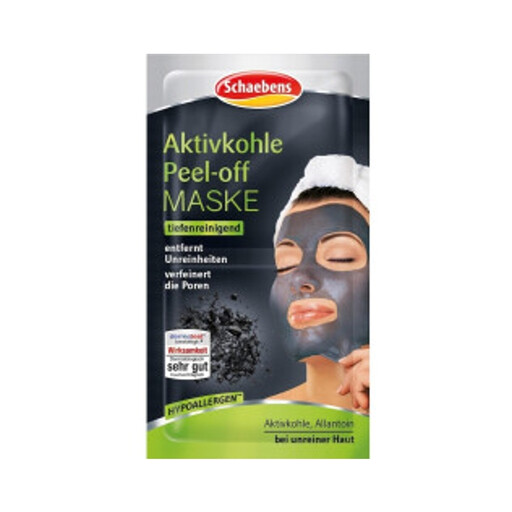
Why This Fits Their Persona: A straightforward and affordable option for those seeking a targeted solution for pore cleansing. Ideal for occasional use to remove blackheads and excess sebum.
The mask has a clear, defined function (pore cleansing via peeling) and avoids vague all-in-one promises. With correct, infrequent use, the risk of over-drying is minimised.
Uses activated charcoal to mechanically remove impurities and dead skin cells. The peel-off formula provides an instantly visible, clarified skin feel.
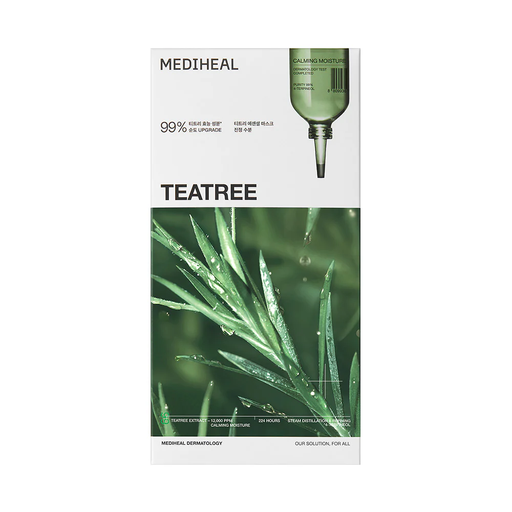
Why This Fits Their Persona: Suitable for users whose acne-prone skin is also sensitive and prone to redness. The focus here is on soothing and hydration, not aggressive cleansing.
This tea tree oil mask actively counteracts the over-drying trap. The formula is designed to provide moisture while soothing irritation, rather than stripping the skin.
Combines the clarifying properties of tea tree oil with a hydrating essence. The slightly acidic pH supports the natural skin barrier.
We've compiled a complete, real-time updated list of products that fully meet these strict selection criteria and all applicable safety regulations.
The frequency of use depends on the mask type and your skin condition. Clarifying masks based on clay or charcoal should generally be used 1-2 times a week to avoid overwhelming the skin. Soothing and hydrating sheet masks can be integrated into your routine more often, about 2-3 times a week, depending on your needs. Always follow the manufacturer's application instructions.
A suitable anti-blemish sheet mask can be very helpful. Contrary to the misconception that masks clog pores, modern formulations are often lightweight and non-comedogenic. They deliver targeted soothing ingredients like tea tree oil or Centella Asiatica to reduce inflammation, while also providing moisture that supports the skin's healing process. Choose products explicitly formulated for blemish-prone or sensitive skin.
The main difference lies in their primary mode of action. An activated charcoal mask works mainly physically: the porous structure of the charcoal acts like a magnet, binding to excess sebum and dirt particles from the pores. A tea tree oil mask, on the other hand, uses the well-known properties of tea tree oil to soothe and clarify the skin. Many products combine both approaches to achieve a more comprehensive effect.