
Lieferung heute & morgen

Qualitätsgarantie

Willkommens-Angebote freischalten: KOSTENLOSE Lieferung | Bis zu 80 % RABATT | Kostenlose 30-Tage-JoyPlus-Testphase
App herunterladen
Choosing the right baby bottle can be a challenge for expectant and new parents, especially if their baby is prone to colic, gas, or discomfort after feeding. The market offers an overwhelming number of options, but not every bottle marketed as "anti-colic" delivers on its promise. As your Joybuy Product Recommendation Officer, I'm here to help you see through the marketing hype and make an informed decision.
Many parents invest in expensive sets only to find they are impractical for daily use or aren't accepted by the baby. Here are two common pitfalls to avoid:
To find a suitable anti-colic baby bottle, you should focus on objective features rather than marketing claims. Three parameters are crucial.
The goal of any anti-colic system is to prevent the baby from swallowing air while drinking. This is typically achieved through valves that create pressure equalisation inside the bottle. There are two main types of systems:
against gas.Look for a design that allows for easy and thorough cleaning of the valve system to ensure hygiene.
The choice of material and teat is critical, especially if you are looking for a baby bottle for newborns or combining breastfeeding and bottle-feeding (combination feeding).
glass baby bottle is heat-resistant, scratch-proof, and doesn't absorb odours, but it is heavier and breakable. Modern plastic bottles made from polypropylene (PP) are lightweight, shatterproof, and BPA-free as standard.breast-like baby bottle features a wide, soft, and flexible silicone bottle teat. This is intended to give the baby a more natural mouthfeel and ease the transition between breast and bottle. The shape and flexibility of the teat are often more important than the bottle material itself.The most practical bottle is one that integrates effortlessly into your daily routine. A wide bottle neck makes filling with formula and cleaning by hand much easier. Also, check if all parts are dishwasher-safe and can be easily cleaned in a standard baby bottle steriliser. A complete baby bottle set can be convenient, but it's often wise to purchase a single bottle first to test the baby's acceptance.
Instead of making a one-size-fits-all recommendation, we have identified products that match specific parent profiles.
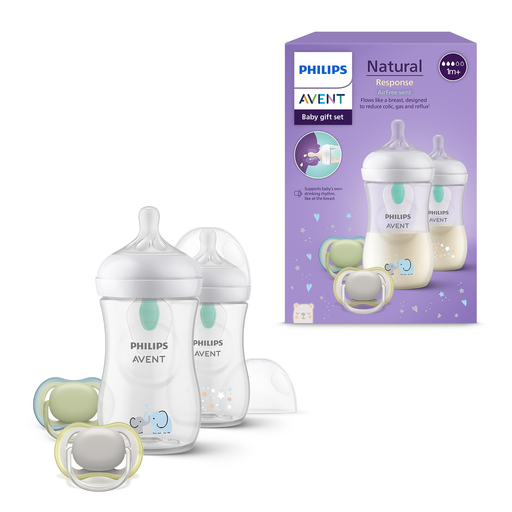
Why This Fits Their Persona: Ideal for parents who practice combination feeding. According to Philips, the teat only releases milk when the baby is actively drinking, mimicking the rhythm of breastfeeding. This can help reduce nipple confusion.
It bypasses the "universal" teat trap by adapting to the baby's individual drinking rhythm, rather than imposing a passive milk flow.
Supports the transition between breast and bottle. The additional AirFree valve is designed to further reduce air intake.
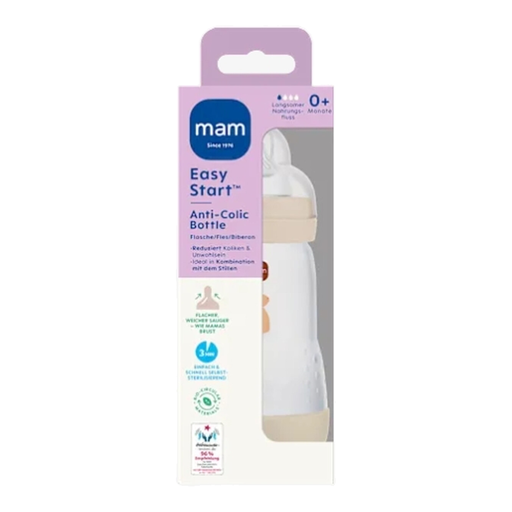
Why This Fits Their Persona: This bottle is specifically designed for babies prone to colic. The ventilated base valve ensures an even flow of milk by preventing air bubbles from mixing with the milk.
Although it consists of several parts, it avoids the complexity trap with a practical self-sterilising function for the microwave, which simplifies the hygiene process.
The base valve system effectively reduces air intake. The bottle can be sterilised in the microwave in three minutes without needing a separate device.
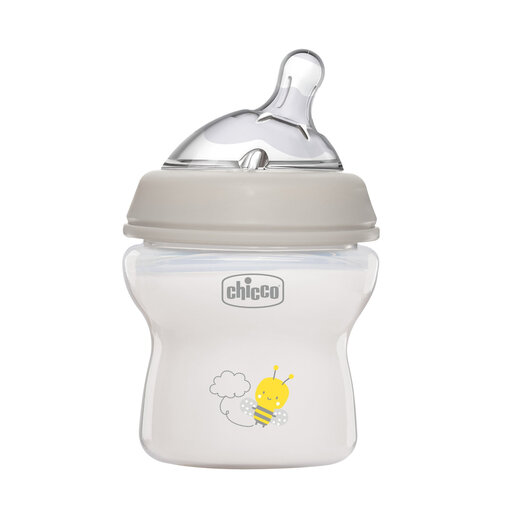
Why This Fits Their Persona: This bottle offers a straightforward solution for daily life. According to the manufacturer Chicco, the angled teat is designed to always stay full of milk and support a comfortable feeding position without needing to tilt the bottle steeply.
It provides an effective anti-colic function with a dual valve without relying on a complex design with many parts. The wide neck makes cleaning easy.
The angled teat promotes a natural latching position. The bottle is easy to handle, fill, and clean, which saves time in the hectic daily routine with a baby.
We have compiled a complete, up-to-date list of products that fully meet these strict selection criteria and rigorous safety standards.
For hygiene and safety reasons, it is recommended to replace the bottle teat every one to two months. Before each use, inspect the teat for cracks, stickiness, or other signs of wear and replace it immediately at the first sign of damage.
An anti-colic baby bottle is designed to reduce air intake during feeding, which is a common cause of gas and discomfort. It can significantly alleviate symptoms. However, colic can have multiple causes that are not always related to the type of bottle. It's important not to expect a medical cure.
Not necessarily. Sterilisation can be done by boiling in a pot for at least five minutes. However, an electric steam steriliser or a microwave steriliser offers more convenience and safety. Some bottles, like those from MAM, have a built-in self-sterilising function for the microwave. For parents who want to minimise the effort, there are also fully automatic washing and sterilising devices like the GORGENOX Fully Automatic Baby Bottle Washer that handle the entire process.