
Lieferung heute & morgen

Qualitätsgarantie

Willkommens-Angebote freischalten: KOSTENLOSE Lieferung | Bis zu 80 % RABATT | Kostenlose 30-Tage-JoyPlus-Testphase
App herunterladen
Choosing the right baby bottle can be a challenge for expectant and new parents. When a baby suffers from discomfort, gas, or colic after feeding, the desire for a quick fix is strong. The market has responded with a wide range of products promising relief. However, not every bottle advertised as "anti-colic" delivers on its promise. Before you decide, it's crucial to understand the common pitfalls to make an informed choice.
Many products advertise features that don't hold up in practice. Pay attention to these three points to avoid disappointment:
To find a bottle that meets your baby's needs, you should focus on objective criteria.
An effective system against colic and gas ensures a constant milk flow without creating a vacuum. Look for the following features:
The goal is always the same: the baby should swallow milk, not air. A good baby bottle for gas will feature such demonstrable technology.
The teat is the most important point of contact for your baby. For a high acceptance rate, especially for a newborn baby bottle or with combination feeding, the following points are crucial:
The bottle itself should be practical and safe.
Based on these objective criteria, we have identified several models that are well-suited for different requirements.
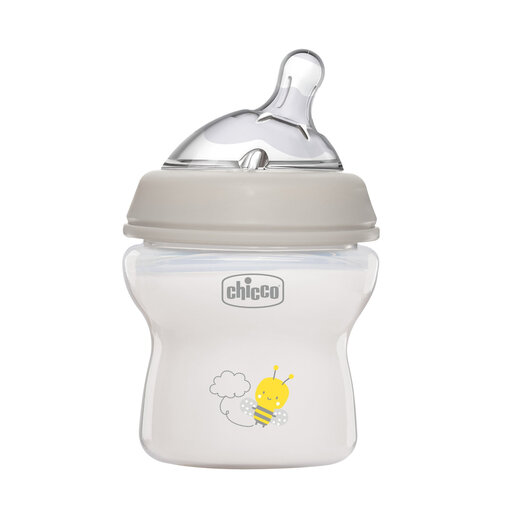
Why it's a great fit: Perfect for starting out and for switching between breast and bottle. The small size and slow flow are tailored to the needs of newborns.
The angled, breast-like teat is specifically designed for a natural latching position and is not a "one-size-fits-all" solution. The dual valve is a tangible technical feature to prevent air swallowing.
The teat stays consistently full of milk, which reduces air intake and supports a comfortable feeding position. According to the manufacturer, it eases the transition from breast to bottle.
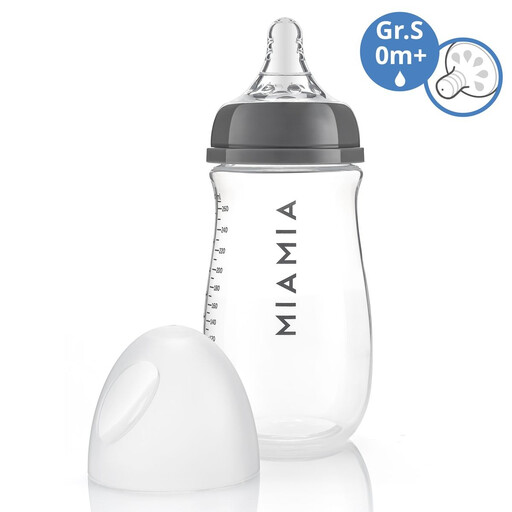
Why it's a great fit: A solid and functional choice that meets all essential criteria without breaking the bank. Suitable for daily use from birth.
The product provides clear facts: an anti-colic system in the teat, BPA-free PP material, and testing according to EN 14350. It avoids vague marketing promises by providing transparent specifications.
The wide bottle neck makes filling with formula and subsequent cleaning especially easy. The ergonomic shape fits comfortably in your hand.
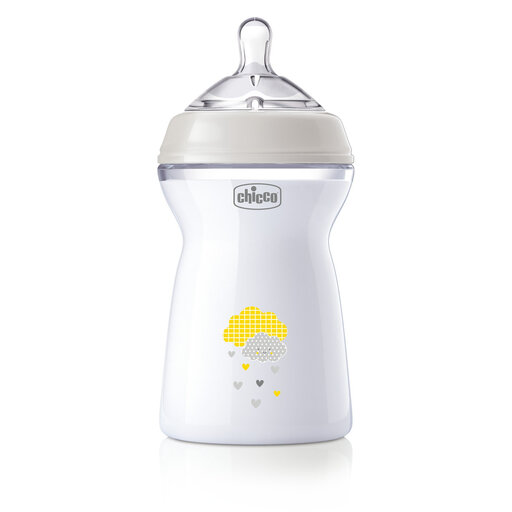
Why it's a great fit: With a 330 ml capacity and a fast-flow teat, this bottle is designed for the larger appetite and stronger sucking power of babies 6 months and older.
This model solves the "one-size-fits-all" problem by offering a specific solution for an older age group. The elongated teat and fast flow rate are purposefully designed for growing babies.
The combination of a large volume and a fast flow rate ensures a quick and satisfying feed, while the proven dual-valve system continues to protect against colic.
We have compiled a complete, up-to-date list of products that fully meet these strict selection criteria and German safety regulations.
Most manufacturers recommend replacing the teat every 1 to 2 months for hygiene and safety reasons. Before each use, inspect the teat for cracks, stickiness, or other signs of wear and replace it immediately at the first sign of damage.
While these bottles are designed to significantly reduce air swallowing, colic can have many causes that are not always related to the bottle. An anti-colic bottle is a very useful tool, but it is not a guaranteed solution for every baby. Also, ensure a calm feeding environment and proper burping technique.
This is generally not recommended. A bottle's anti-colic system often relies on the precise interaction between the bottle, screw ring, and teat. Mixing components from different brands can compromise the function of the valve system and lead to leaks. For optimal performance, stick with components from a single brand.