
Lieferung heute & morgen

Qualitätsgarantie

Willkommens-Angebote freischalten: KOSTENLOSE Lieferung | Bis zu 80 % RABATT | Kostenlose 30-Tage-JoyPlus-Testphase
App herunterladen
As a Joybuy Product Recommendation Officer, I see parents every day searching for the right solution to their babies' feeding problems. Restless nights, stomach aches, and constant discomfort after feeding are distressing. The baby bottle market promises quick solutions, but not every product delivers on its promise. This guide is designed to help you avoid marketing traps and make an informed decision.
Many well-intentioned purchases end in frustration because certain product features create more problems than they solve in practice. Pay special attention to these two points:
To find a bottle that prevents gas and truly works, you should focus on three core parameters instead of marketing promises.
An effective anti-colic system has one primary job: it must prevent the baby from swallowing air while drinking. Air in the gastrointestinal tract is a major cause of colic and gas. Look for systems where the function is integrated directly into the teat, for example, through a dual valve. Such designs are often just as effective as complex inserts but are significantly easier to handle and clean.
For high acceptance, especially with breastfed babies, a breast-like teat is crucial. Look for the following features:
The choice of material and size should be based on your child's needs.
Based on the objective criteria mentioned above, we have identified some products that are suitable for specific requirement profiles.
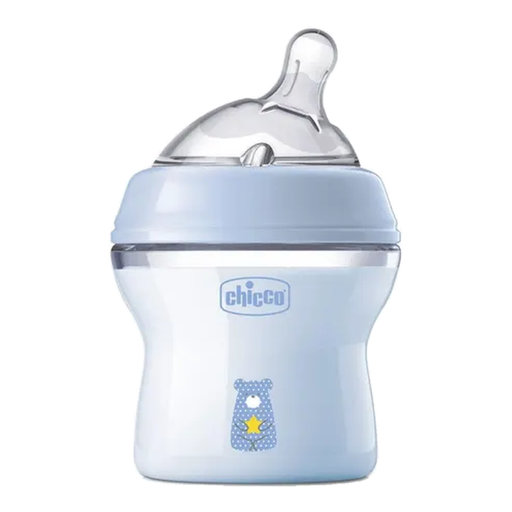
Why this product is a good fit: The 150 ml size and slow flow rate are ideally matched to the needs of newborns. The angled teat supports a natural posture and makes starting with bottle-feeding easier.
The dual anti-colic valve is integrated directly into the teat, avoiding complex, hard-to-clean individual parts. The teat shape is specifically designed for newborns and is not a "one-size-fits-all" compromise.
The breast-like teat made of soft silicone and the angled shape promote calm and natural feeding, which reduces the amount of air swallowed.
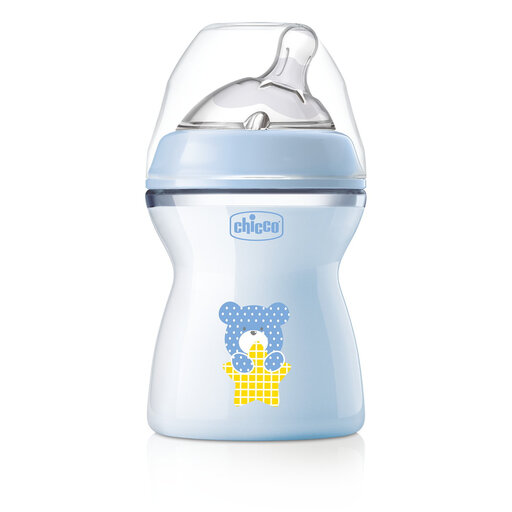
Why this product is a good fit: With a 250 ml capacity and a medium flow rate, this bottle is designed for the growing appetite and stronger sucking power of babies from the second month onwards.
Instead of a universal product, the Chicco NaturalFeeling range offers a clear progression by age. This model adjusts the flow rate while retaining the proven, simple anti-colic system.
The combination of a breast-like teat and an adapted flow rate supports combination feeding (breast and bottle) and ensures a relaxed meal without excessive air intake.
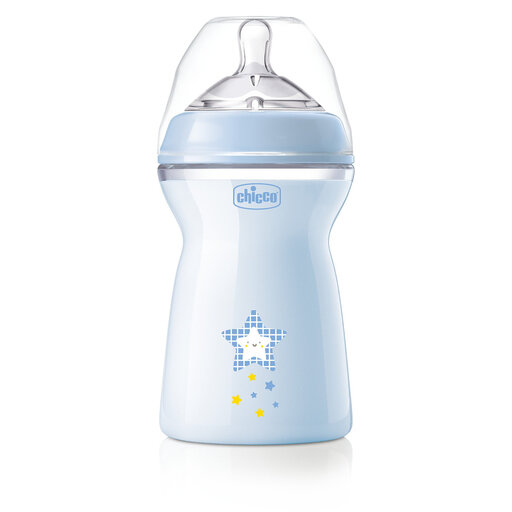
Why this product is a good fit: The high capacity of 330 ml and the fast flow rate are ideal for babies aged 6 months and older who are consuming larger meals. The elongated teat is adapted to the changing sucking reflex of older babies.
This model refutes the "one-size-fits-all" approach by offering a specific teat shape for older babies, acknowledging that oral motor skills develop over time.
According to the manufacturer, Artsana SpA, the easy transition from breast to bottle is confirmed by 95% of mothers, highlighting the high acceptance rate of the system.
We have compiled a complete, up-to-date list of products that fully meet these strict selection criteria and German safety regulations.
An anti-colic system, usually in the form of valves or channels in the teat or bottle base, ensures pressure equalisation inside the bottle. This prevents a vacuum from forming as the baby drinks. The baby can suckle steadily without having to release the teat, thus swallowing less air that can lead to gas and colic.
Glass bottles are a valid alternative to plastic bottles. Their advantages lie in their high heat resistance, ease of sterilisation, and the fact that they do not absorb odours or discolouration. Disadvantages include their heavier weight and risk of breakage. The choice between glass and BPA-free plastic is ultimately a matter of personal preference and handling.
For hygiene and safety reasons, it is recommended to replace the teat every one to two months. Before each use, inspect the teat for cracks, bite marks, or stickiness. It should be discarded immediately at the first sign of wear, as germs can accumulate in damaged areas or small parts could pose a choking hazard.