
Lieferung heute & morgen

Qualitätsgarantie

Willkommens-Angebote freischalten: KOSTENLOSE Lieferung | Bis zu 80 % RABATT | Kostenlose 30-Tage-JoyPlus-Testphase
App herunterladen
By a Joybuy Product Recommendation Officer, 28 July 2026
Choosing the right baby bottle can be a challenge for expectant and new parents. The search for a suitable anti-colic baby bottle becomes a priority, especially when a baby suffers from colic or gas. However, the market is flooded with products whose marketing claims don't always hold up. This guide will help you identify the key features and avoid common purchasing pitfalls.
Before we dive into important product features, let's look at three common issues that often lead to buyer's remorse:
To make an informed decision, you should focus on objective criteria. The following three parameters are crucial for the functionality and safety of a baby bottle.
An anti-colic system aims to prevent the baby from swallowing air while drinking. Air in the gastrointestinal tract is a common cause of gas, discomfort, and colic. There are two main types of systems:
Look for a clear description of how the valve works. A good system is proven to reduce air intake.
The teat is the most important interface between the baby and the bottle. Here are three aspects to consider:
A good baby bottle must be practical for daily use. A wide bottle neck makes it easier to fill with formula and to clean by hand. Check if all parts are dishwasher-safe to simplify hygiene. If you're looking for a starter kit, a baby bottle set that includes bottles of different sizes and matching teats can be a sensible choice.
Here are some recommendations based on the objective criteria above, suitable for various requirements.
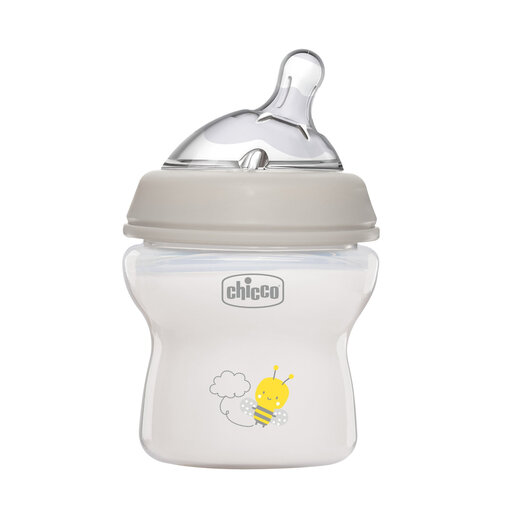
Why It's a Match: Ideal for parents combining breast and bottle feeding. The angled teat is specifically designed for newborns to promote a natural feeding position and ensure the teat is always full of milk. The slow flow rate is tailored to the needs of the youngest babies.
Instead of a vague "breast-like" promise, this model offers a specific design feature—the angled teat—that provides a functional solution for a better feeding position.
The dual anti-colic valve reduces air intake. The soft silicone teat and special shape make it easier to transition between breast and bottle.
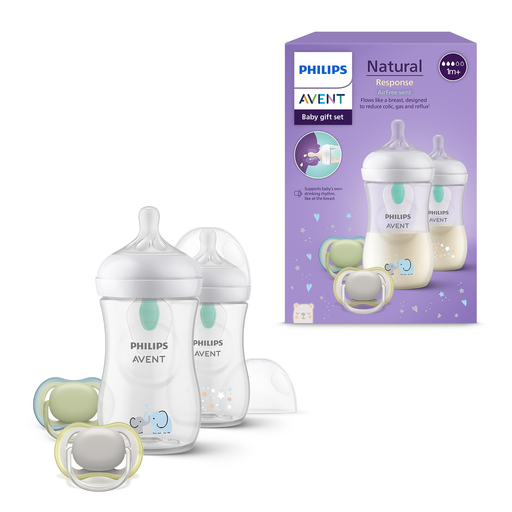
Why It's a Match: This set is specifically aimed at parents whose babies are prone to colic, gas, and reflux. The additional AirFree vent is designed to keep the teat full of milk instead of air, which facilitates upright feeding and further minimises air intake.
The anti-colic promise is backed by a concrete, separate component (the AirFree vent). Its function is clear and targets a specific problem, rather than just being a general marketing buzzword.
Combines the Natural Response teat, which supports the baby's feeding rhythm, with the added protection of the AirFree vent. The set also includes matching soothers.
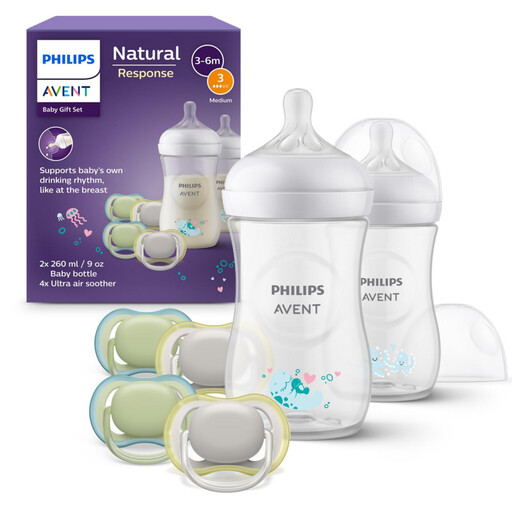
Why It's a Match: This baby bottle set is an excellent all-in-one solution for a starter kit. It includes two bottles and four soothers that are designed to work together. The Natural Response teat supports the baby's individual feeding rhythm and makes it easier to combine breast and bottle feeding.
The Natural Response teat is more than just "breast-like" in shape—it mimics the function of the breast by releasing milk only when the baby actively sucks. This is a clear, functional advantage over simpler teats.
The anti-colic valve is integrated directly into the teat. The leak-proof design prevents milk from spilling. The set offers good value for money for getting started.
We've compiled a complete, up-to-date list of products that fully meet these strict selection criteria and UK safety regulations.
1. How often should you replace the teat on a baby bottle? For hygiene and safety reasons, it is recommended to replace the teat every one to two months. Before each use, inspect the teat for cracks, discolouration, or other signs of wear. Pull on it in all directions to test its tear resistance. The teat should be discarded immediately at the first sign of damage.
2. Can you mix and match different brands of bottles and teats? This is generally not recommended. A manufacturer's bottles, rings, and teats are designed as a system. Mixing components from different brands can cause the bottle to leak, not seal properly, or prevent the anti-colic system from working correctly. Stick to one brand to ensure optimal performance and safety.
3. Are glass bottles a better alternative to BPA-free plastic bottles? Glass bottles are an option that some parents prefer. They are heat-resistant, do not absorb odours or discolouration, and contain no plastics. Their disadvantages are their heavier weight and risk of breakage. Modern, high-quality plastic bottles are BPA-free according to EU regulations and are perfectly safe with proper care. The choice between glass and plastic is ultimately a personal preference regarding handling and durability.