
Lieferung heute & morgen

Qualitätsgarantie

Willkommens-Angebote freischalten: KOSTENLOSE Lieferung | Bis zu 80 % RABATT | Kostenlose 30-Tage-JoyPlus-Testphase
App herunterladen
Choosing the right baby bottle can be a challenge for expecting and new parents, especially if their baby is prone to colic, gas, or discomfort after feeding. An anti-colic baby bottle is specifically designed to reduce air intake during feeding, helping to support your child's comfort and well-being.
This guide is designed to help you understand the features and functions of various models. We will present a selection of products based on their objective features to provide you with a solid basis for making an informed decision.
To find the right model for your baby, a few technical aspects are crucial. The following criteria will help you distinguish the differences between products.
The core of an anti-colic bottle is its venting system. This system is designed to prevent a vacuum from forming inside the bottle, which helps stop the infant from swallowing air. There are several different technical approaches:
Material safety is the highest priority. Baby bottles sold in the EU must comply with legal regulations and be free of harmful chemicals. Look for the BPA-free baby bottle label. The most common materials are:
A breast-like nipple is especially important if you plan to combine breastfeeding and bottle-feeding. A wide, soft, and flexible shape supports a natural feeding experience and can make it easier for the baby to accept the bottle.
Additionally, the flow rate (the size of the hole in the nipple) is crucial. For a newborn baby bottle, a slow flow rate is recommended to control the drinking pace and prevent gagging. As the baby gets older and their sucking strength increases, you can switch to a medium or fast flow rate.
Here is a selection of models that can help alleviate colic symptoms due to their specific features and design.
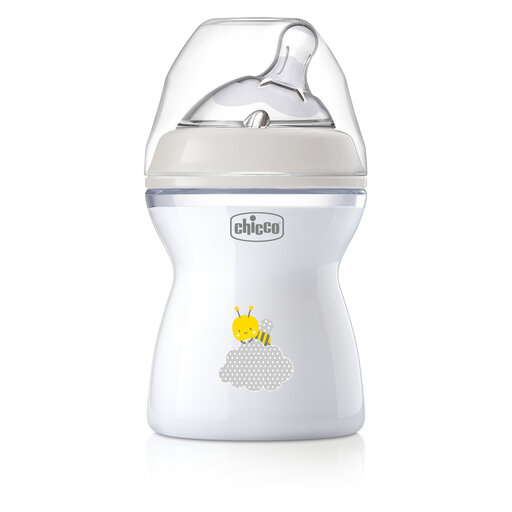
Why it stands out The Chicco NaturalFeeling bottle is distinguished by its unique, angled nipple. This design is intended to promote a natural neck position for the baby and ensure the nipple stays constantly full of milk, which reduces air intake.
Benefits
Who it's for For parents looking for a bottle that mimics the natural breastfeeding position and provides a comfortable feeding posture for babies from two months onwards.
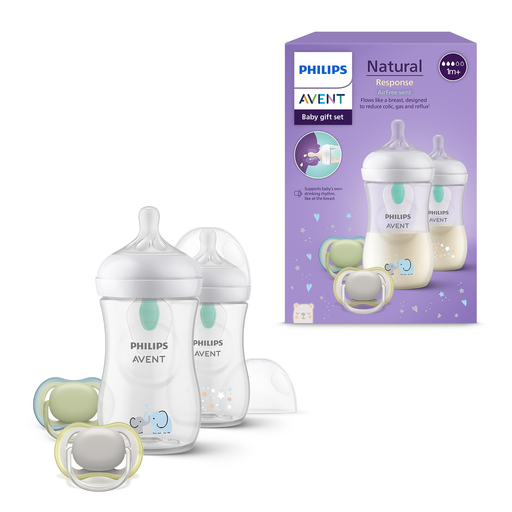
Why it stands out The Philips Avent bottle set uses a Natural Response Nipple that only releases milk when the baby is actively drinking. This mimics the natural rhythm of breastfeeding. The set is complemented by the AirFree vent insert, which is designed to further reduce air intake.
Benefits
Who it's for For parents seeking a flexible solution for combining breast and bottle feeding, and who value a system that supports the baby's natural drinking rhythm.
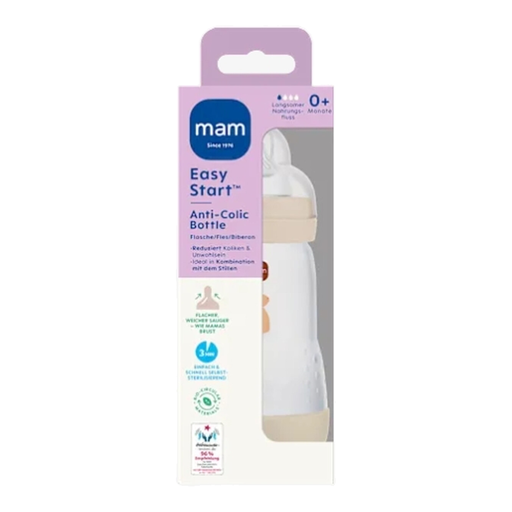
Why it stands out The MAM baby bottle is known for its innovative base valve, which ensures an even flow by reducing the formation of air bubbles and foam in the milk. Another practical feature is its self-sterilising function for use in the microwave.
Benefits
Who it's for For parents who appreciate straightforward handling and cleaning and prefer a system that regulates airflow through the bottle's base.
The models presented here offer specific solutions for babies prone to colic. However, every child is unique, and sometimes it takes a little trial and error to find the perfect bottle. If you want to compare more models and brands, you can find a wider selection in our broader category.
? Discover More Baby Bottles Here
An anti-colic baby bottle has a special venting system (e.g., valves in the nipple or at the base) that prevents a vacuum from forming during feeding. As a result, the baby swallows less air, which is considered a common cause of colic, gas, and discomfort.
A breast-like nipple is particularly beneficial for parents who combine breastfeeding and bottle-feeding. The wide, soft shape and flexible tip make it easier for the baby to switch between breast and bottle because the sucking action is similar. This can help prevent nipple confusion.
Yes, in the European Union, all baby bottles sold must legally be free of Bisphenol A (BPA). Nevertheless, the BPA-free baby bottle label is an important quality mark that manufacturers use to highlight the safety of their products made from materials like polypropylene (PP) and silicone.