
Lieferung heute & morgen

Qualitätsgarantie

Willkommens-Angebote freischalten: KOSTENLOSE Lieferung | Bis zu 80 % RABATT | Kostenlose 30-Tage-JoyPlus-Testphase
App herunterladen
Choosing the right anti-colic baby bottle can be a challenge for expectant and new parents. The market is flooded with promises, but not every product delivers. The wrong bottles can lead not only to discomfort for your baby but also to unnecessary expenses. This guide will help you identify the essential features and avoid common purchasing pitfalls.
As a Joybuy Product Recommendation Officer, my job is to filter through market information and provide you with objective, practical advice so you can make an informed decision for your child.
Many products advertise innovative features that, in practice, create more problems than they solve. Pay close attention to these three points to avoid making the wrong choice:
To find the right baby milk bottle, focus on verifiable, technical features rather than marketing claims.
The safety of the material is the highest priority. Ensure the bottle is explicitly labelled as a BPA-free baby bottle. Modern baby bottles are typically made from polypropylene (PP) or glass. The teats are usually made of silicone.
An anti-colic system aims to reduce air swallowing during feeding. This is usually achieved through valves that equalise the pressure inside the bottle.
The baby's acceptance of the bottle largely depends on the teat. The shape should suit your baby's feeding style.
Here are some product recommendations tailored to specific requirements.
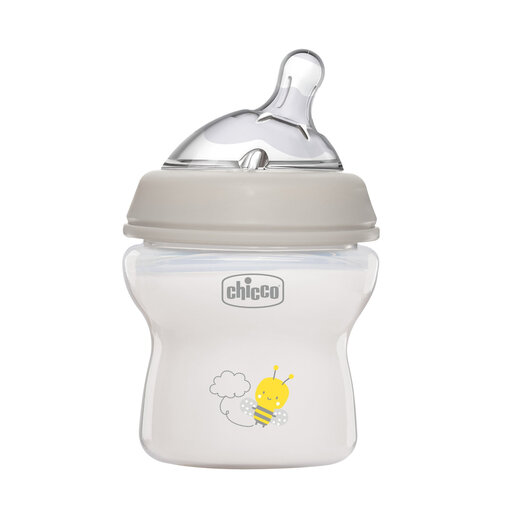
Why It's a Match: Ideal for parents who combine breastfeeding and bottle-feeding. The angled teat promotes a natural feeding position and stays filled with milk, which eases the transition. The 150ml size and slow flow are tailored to the needs of newborns.
The integrated dual valve is effective yet straightforward to clean. The teat not only mimics the shape but also the function of breastfeeding through its angled position, increasing acceptance among breastfed babies.
The angled teat supports an ergonomic feeding position and reduces air swallowing. The material is BPA-free polypropylene and silicone.
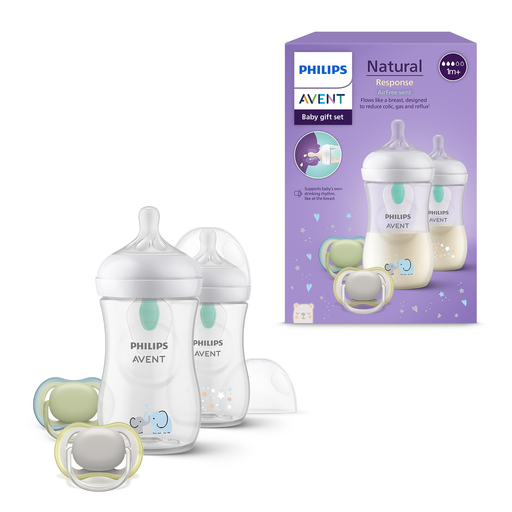
Why It's a Match: This baby bottle set is designed for parents whose babies are prone to colic and discomfort. The AirFree vent is a special insert that keeps the teat full of milk and air out, facilitating feeding in an upright position.
The AirFree vent is a separate but simple-to-use part. It offers a targeted function against air swallowing that goes beyond a standard teat valve, without overcomplicating the cleaning process.
According to Philips, the Natural Response teat only releases milk when the baby is actively drinking. The AirFree vent provides extra protection against colic, gas, and reflux.
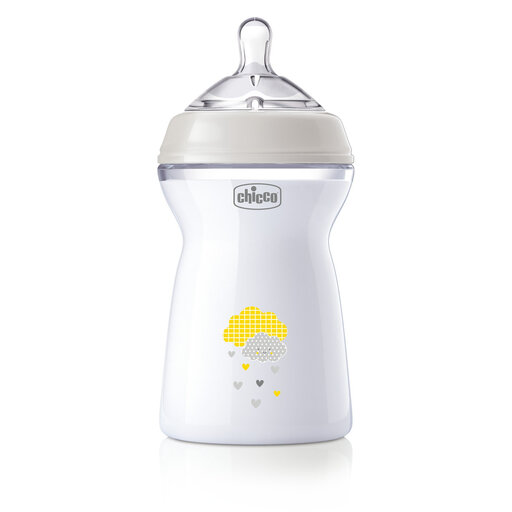
Why It's a Match: For babies aged 6 months and older who are drinking more and need a faster flow rate. With a 330ml capacity, this bottle is designed for larger feeds while retaining the proven anti-colic features of the NaturalFeeling range.
This model solves the problem of an unsuitable flow rate for older babies. It prevents feeding frustration by providing a fast milk flow that matches the child's increased appetite and sucking strength.
Large capacity (330ml) and a fast flow rate for older babies. The dual anti-colic valve and soft silicone teat are retained to ensure continued comfort.
We have compiled a complete, up-to-date list of products that fully meet these strict selection criteria and rigorous safety standards.
For hygiene reasons and due to material wear, it is recommended to replace the teat every 1 to 2 months. Before each use, inspect the teat for any cracks, bite marks, or other signs of wear and replace it immediately if you notice any damage.
Generally, this is not recommended. A manufacturer's components (bottle, ring, teat) are designed to fit together to ensure a proper seal and the correct function of the anti-colic system. Mixing different brands can lead to leaks or an impaired valve function.
If your baby seems frustrated during feeding, tugs on the teat, or if feeding takes an unusually long time, the flow rate might be too slow. If they frequently gag, cough, or have milk dribbling from the corners of their mouth, the flow rate is likely too fast. Adjust the teat size according to your child's behaviour and age.