
Lieferung heute & morgen

Qualitätsgarantie
App herunterladen
Kategorien
Choosing a baby bottle for newborns is a decision that should be based on functional criteria. For infants prone to colic, gas, and discomfort after feeding, the bottle's design can play a significant role. An anti-colic baby bottle is engineered to reduce air intake during feeding. This is achieved through specialised ventilation systems that equalise pressure inside the bottle, preventing the teat from collapsing. The result is a more consistent flow, which can help your baby drink more calmly.
When selecting a suitable bottle from birth, several technical aspects must be considered. These factors determine the product's functionality, safety, and ease of use.
The core feature of a bottle designed to reduce gas is its ventilation system. Technically, there are two main types:
The choice of material affects safety, durability, and user comfort.
The teat's shape is especially important for parents who combine breastfeeding and bottle-feeding (combination feeding). A breast-like teat that is wide and flexible can encourage acceptance by the baby and help prevent nipple confusion. The hole size determines the flow rate (slow, medium, fast), which should be adapted to the baby's age and feeding habits.
A wide bottle neck makes filling with formula and subsequent cleaning much easier. Models that can be disassembled into a few, easy-to-assemble parts are more practical for daily use. The ability to sterilise the bottle in a microwave or a steam steriliser is another important criterion.
The following products have been selected for their specific technical features and design solutions, tailored to the needs of newborns prone to colic.
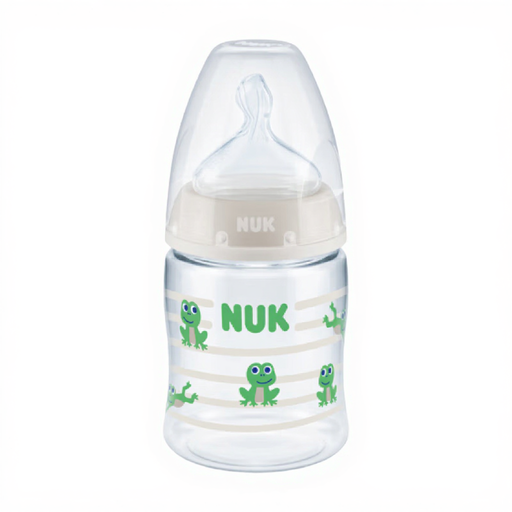
Why We Recommend It: This model combines the NUK Anti-Colic Air System with a practical Temperature Control indicator. The scale turns white if the contents are too hot, providing an added layer of safety. The lightweight Polyamide (PA) bottle body and extra-wide neck optimise handling.
Benefits:
Best For: Parents who prioritise safety features like temperature control and prefer straightforward, everyday handling.
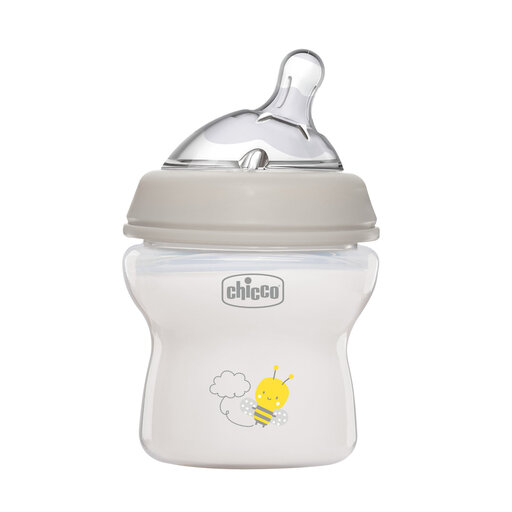
Why We Recommend It: The Chicco NaturalFeeling bottle stands out with its angled, breast-like teat. This design is intended to promote a natural feeding position and ensure the teat always stays full of milk. The dual anti-colic valve is integrated directly into the teat, preventing air from being swallowed.
Benefits:
Best For: Parents looking for a bottle for breastfed babies and who value a feeding position that is as natural as possible to ease the transition between breast and bottle.
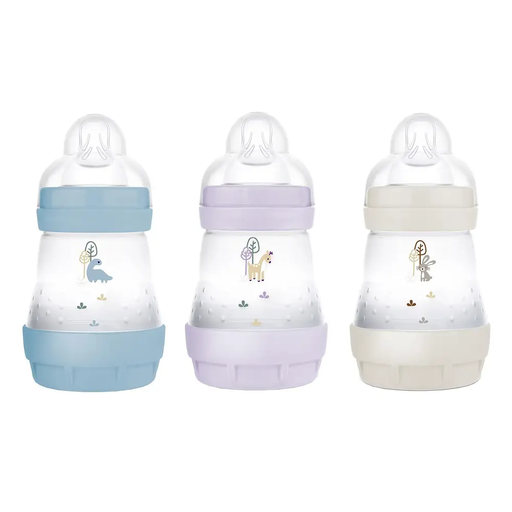
Why We Recommend It: The unique selling point of the MAM Anti-Colic bottle is its vented base valve. This allows air to enter from the bottom of the bottle, preventing air bubbles from forming in the milk. The bottle also features a self-sterilising function for the microwave, making it especially convenient for on-the-go use.
Benefits:
Best For: Parents seeking a technically advanced base-vented system who also appreciate the flexibility offered by the easy sterilisation feature.
The models featured here cover specific needs. If you are looking for other variations, different materials, or matching accessories, you can find a wider selection in our Baby Bottles category.
1. When is an anti-colic bottle a good idea? An anti-colic bottle is worth considering if a baby repeatedly shows signs of discomfort after bottle-feeding, such as gas, abdominal pain, or excessive burping. These symptoms can be caused by swallowing air during feeding, which specialised ventilation systems can help reduce.
2. How does an anti-colic system in a baby bottle work? An anti-colic system works by equalising the pressure inside the bottle. As the baby drinks, valves (located either in the teat or at the base of the bottle) allow air to flow in. This prevents a vacuum from forming, stops the teat from collapsing, and keeps the baby from swallowing air. The milk flow remains steady and calm.
3. Can you use an anti-colic bottle for newborns from birth? Yes, most anti-colic bottles are specifically designed as a bottle from birth. They typically come with the smallest size teat and the slowest flow rate (often labelled "Size 1" or "0+ months"), which corresponds to the needs of newborns.