
Lieferung heute & morgen

Qualitätsgarantie

Willkommens-Angebote freischalten: KOSTENLOSE Lieferung | Bis zu 80 % RABATT | Kostenlose 30-Tage-JoyPlus-Testphase
App herunterladen
As a Joybuy Product Recommendation Officer, I see the flood of information that expectant parents face every day. The sheer volume of marketing claims can be overwhelming, especially when choosing the right anti-colic baby bottle. A fussy baby suffering from gas and discomfort is a major source of stress for parents. The right bottle can bring noticeable relief, but not every product that promises a solution actually delivers. Based on product data and frequent customer feedback, I've summarised the key points to help you make an informed decision and avoid common purchasing mistakes.
The market is saturated with bottles that advertise innovative technologies. However, it's often fundamental design aspects that determine true functionality. Watch out for these two common weaknesses:
To separate the wheat from the chaff, you should focus on three verifiable criteria. These form the foundation for calmer feeding times.
An effective anti-colic system has one primary job: to prevent a vacuum from forming inside the bottle as the baby drinks. This is achieved by allowing air to flow into the bottle in a controlled manner without mixing with the milk. As a result, the baby doesn't have to release the teat and swallows fewer air bubbles, which can cause gas and discomfort.
Look for systems that integrate either a valve directly into the teat or a venting system in the bottle's base. Both approaches can be effective, as long as they are easy to clean and consist of a few robust parts.
The BPA-free baby bottle label is now a legally required standard in the EU and thus a baseline requirement, but not the sole indicator of quality. The most common materials are polypropylene (PP) and polyamide (PA).
Both materials are safe for use in baby bottles. The choice often comes down to personal preferences regarding appearance and durability.
The baby teat is the most important interface between the bottle and your child. A good fit is crucial.
Instead of making a one-size-fits-all recommendation, we have identified products tailored to the specific needs of parents.
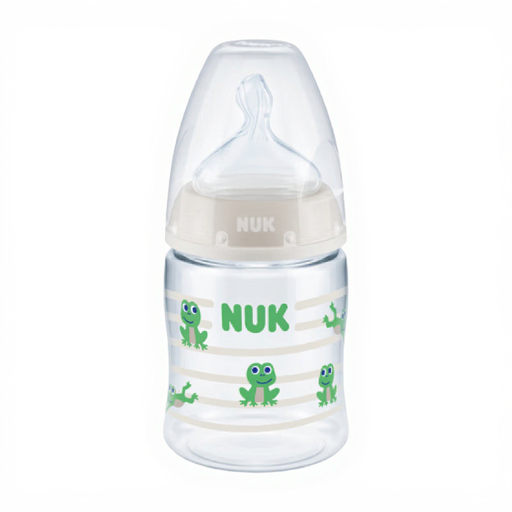
Why This Fits Their Persona: For first-time parents who want maximum peace of mind, the temperature control indicator offers a valuable visual aid. It reduces the anxiety of accidentally serving milk that's too hot—a common stress factor in the early months.
The proven NUK Anti-Colic Air System is a simple yet effective valve design in the teat that is easy to clean, sidestepping the trap of an ineffective, unhygienic valve.
The integrated temperature indicator, which turns white if the contents are too hot, provides an extra layer of safety. The extra-wide bottle neck makes filling and cleaning easier.
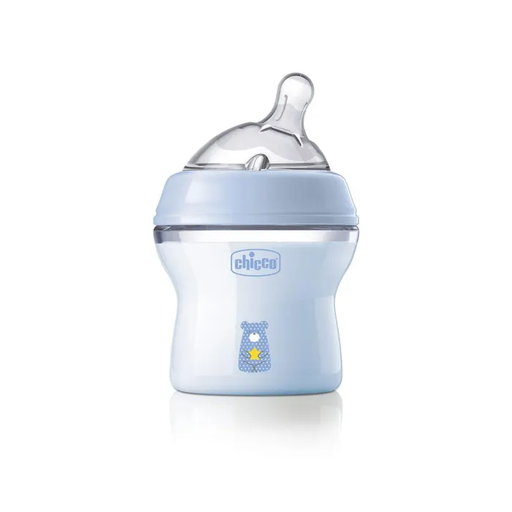
Why This Fits Their Persona: For parents aiming for a flexible feeding routine that includes both breast and bottle, a smooth transition is crucial. This bottle's design is specifically engineered to mimic the natural suckling motion at the breast.
It avoids the "one-size-fits-all" teat trap with an anatomically angled teat. This design ensures the teat stays full of milk during feeding, which actively reduces air intake and promotes an optimal neck position.
The dual anti-colic valve prevents air swallowing. According to the manufacturer, the soft silicone teat with a velvety finish is designed to ease the transition between breast and bottle.
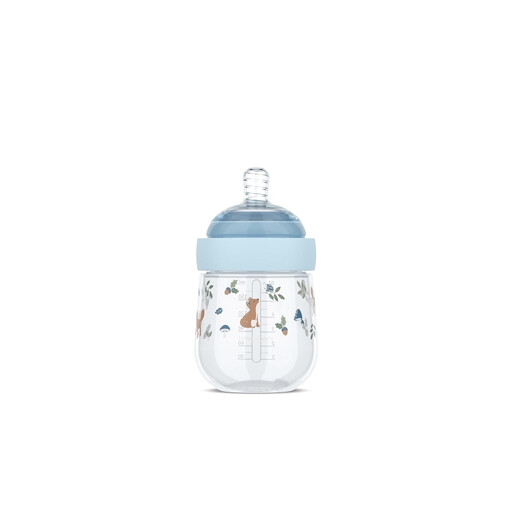
Why This Fits Their Persona: For parents who value aesthetics but refuse to compromise on functionality. The appealing design makes feeding time a beautiful experience without sacrificing essential anti-colic features.
The special airflow system counteracts air intake. The wide-neck design is especially practical, making filling and thorough cleaning significantly easier, thus avoiding the trap of unhygienic, complex valve systems.
The bottle is fully dishwasher-safe, simplifying daily handling. The lightweight polypropylene (PP) reduces hand fatigue during longer feeding sessions.
A complete Baby Bottle Set or other individual models could be the solution. We've compiled a list of products that meet our selection criteria.
1. How often should you replace a baby bottle teat? For hygiene and safety reasons, it is recommended to replace the teat every 1 to 2 months. Before each use, inspect the teat for cracks, bite marks, or other signs of wear and replace it immediately at the first sign of damage.
2. Can an anti-colic bottle completely prevent colic? No bottle can guarantee the prevention of colic, as its causes can be varied and are not always related to swallowing air. However, a well-designed bottle for gassy babies can significantly reduce the risk of air swallowing and thus contribute to a noticeable reduction in symptoms for many babies.
3. Are glass or plastic baby bottles better? Both materials have pros and cons. Glass bottles are very durable, scratch-resistant, and do not absorb odours or discolouration, but they are heavier and breakable. Modern plastic bottles (PP, PA) are lightweight, shatterproof, and BPA-free, making them especially practical for on-the-go use. The choice ultimately comes down to personal priorities regarding weight, safety, and handling.