
Lieferung heute & morgen

Qualitätsgarantie

Willkommens-Angebote freischalten: KOSTENLOSE Lieferung | Bis zu 80 % RABATT | Kostenlose 30-Tage-JoyPlus-Testphase
App herunterladen
Choosing the right baby bottle can feel overwhelming given the sheer number of options. Many products promise to prevent colic and discomfort, but not every bottle marketed as "anti-colic" delivers on its promise. As a Joybuy Product Recommendation Officer, I see daily which features truly make a difference and where parents spend money unnecessarily.
This guide will help you understand the crucial criteria and avoid common purchasing traps, enabling you to make an informed decision for your child.
Before we look at the solutions, it's important to be aware of the most common problems that can arise during the selection process.
breast-like baby bottle is often a good choice, especially for combination feeding. However, if the shape or material of the teat doesn't suit your child's preferences, they may reject the bottle, leading to frustration for both parent and baby.To avoid these pitfalls, you should focus on three essential features. These form the basis of a functional and safe bottle for newborns.
A true anti-colic system ensures pressure equalisation inside the bottle, so no air bubbles get into the milk for the baby to swallow. There are two main effective approaches:
MAM use a vented base system. Air flows in through small openings at the bottom of the bottle and rises along the sides without mixing with the milk. This ensures a smooth, bubble-free flow.Chicco Natural Feeling or Philips Avent, integrate a valve directly into the teat. This valve opens as the baby sucks, allowing air into the bottle to prevent a vacuum.Both systems are effective, as long as they are assembled correctly and kept clean.
The teat is the most important interface with your baby. Here are the key factors:
The bottle body itself also plays a role in everyday practicality, especially when it comes to your newborn essentials.
bottle steriliser is a sensible addition to any newborn bottle set to reliably keep all parts germ-free.Based on the criteria above, we have selected a few products that are suitable for different requirements.
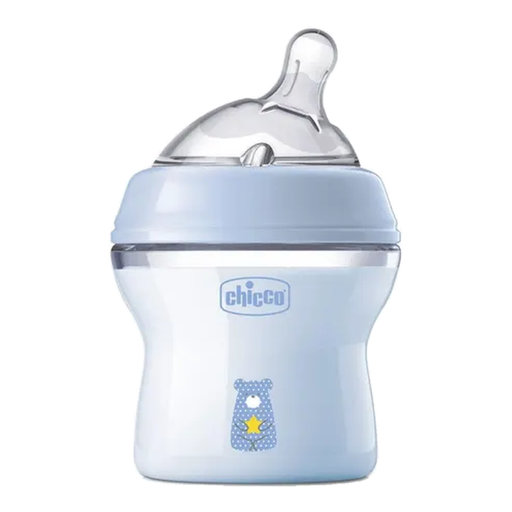
Why This Fits Their Persona: Ideal for parents who want to combine breastfeeding and bottle-feeding. The angled, breast-like teat is designed to make the transition as seamless as possible and promote a natural feeding position.
Directly addresses the pitfall of an incompatible teat shape. The special shape and soft silicone are designed to increase acceptance by the baby and minimise nipple confusion.
The dual anti-colic valve prevents air swallowing. The angled teat remains constantly filled with milk during feeding.
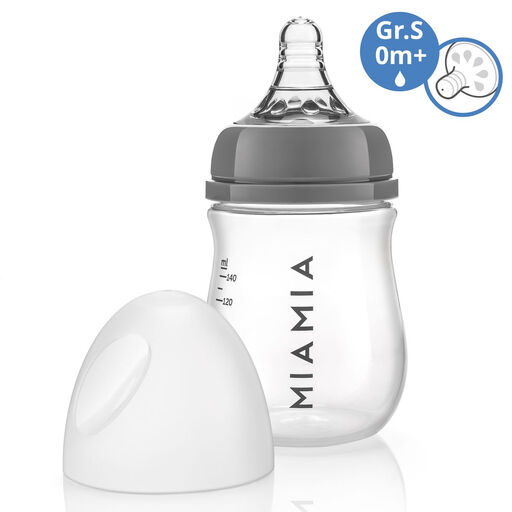
Why This Fits Their Persona: A straightforward and functional bottle that meets all basic requirements. It's a solid choice for parents looking for a reliable solution for their newborn essentials without a large investment.
It avoids complex mechanisms. The anti-colic system is integrated directly into the teat, which simplifies cleaning and bypasses the pitfall of complicated systems.
Lightweight, shatterproof PP material and a wide neck for very easy handling. The teat is suitable for different types of feed.
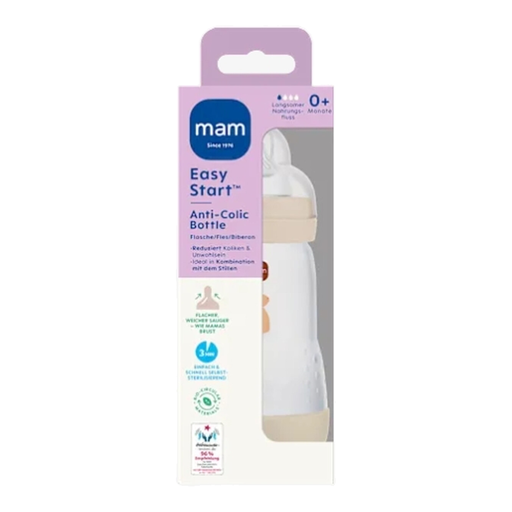
Why This Fits Their Persona: Perfect for busy parents who value easy handling and hygiene. The unique self-sterilising function saves time and eliminates the need for a separate steriliser when on the go.
Solves the problem of time-consuming cleaning and sterilisation. The bottle can be sterilised in the microwave in three minutes, which makes handling extremely simple.
The base valve ensures a very smooth drinking flow. The bottle can be completely disassembled, allowing for thorough cleaning of all parts.
We have compiled a complete, up-to-date list of products that fully meet these strict selection criteria and all relevant safety standards.
For hygiene and safety reasons, it is recommended to replace the teat every one to two months. Before each use, check the teat for cracks, bite marks, or stickiness. It should be discarded immediately at the first sign of wear, as small parts could become detached.
Generally, this is not possible or recommended. Most manufacturers have their own patented systems where the bottle, screw ring, and teat are precisely matched. This is the only way to ensure the anti-colic system functions correctly. To avoid leaks and reduced effectiveness, you should stick to one brand.
The main difference is the flow rate. A size 1 teat has the smallest hole and therefore the slowest feed flow. It is designed for newborns and for feeding thin liquids like breast milk or first infant formula. Larger teats (size 2, 3, etc.) have bigger openings for a faster flow and are suitable for older babies who can suck more strongly, or for thicker feeds.