
Lieferung heute & morgen

Qualitätsgarantie

Willkommens-Angebote freischalten: KOSTENLOSE Lieferung | Bis zu 80 % RABATT | Kostenlose 30-Tage-JoyPlus-Testphase
App herunterladen
Dandruff is a common problem, often accompanied by itching, redness, and general discomfort. The market for anti-dandruff shampoos is vast, but choosing the right product can quickly become overwhelming. Many formulas promise a quick fix but fail to deliver lasting improvement, or even worsen the situation. Before making a purchase, it's crucial to understand the common pitfalls and know what truly matters when selecting a shampoo.
The search for an effective anti-dandruff shampoo can be frustrating, especially when faced with marketing claims that don't deliver. Here are two typical pitfalls to avoid:
To make an informed decision, you should consider two key aspects: the active ingredients and how they match your scalp type.
The effectiveness of an anti-dandruff shampoo depends heavily on its active ingredients. These are designed to combat the causes of dandruff and alleviate symptoms.
An effective anti-dandruff shampoo must be suited to the individual needs of your scalp.
Based on the criteria above, we have identified several products tailored to specific needs.
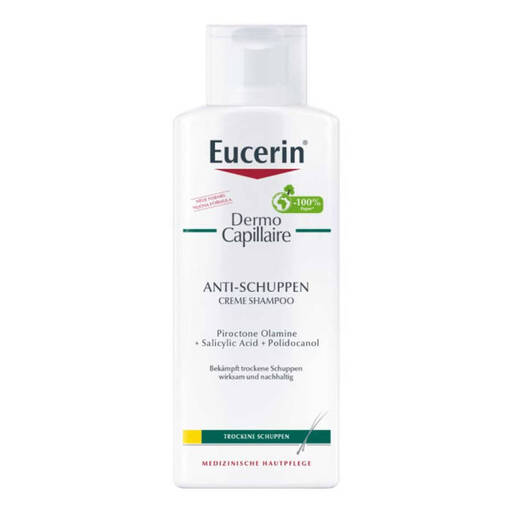
Why This Fits Their Persona: This formula is specifically designed for individuals with a dry, itchy scalp. It combines dandruff control with intensive nourishment and soothing relief.
It's not a "one-size-fits-all" solution; instead, it specifically targets itch relief with Polidocanol and provides moisture rather than aggressively stripping the scalp.
Its triple-action formula fights dandruff (Piroctone Olamine), soothes itching (Polidocanol), and removes dead skin cells (Salicylic Acid).
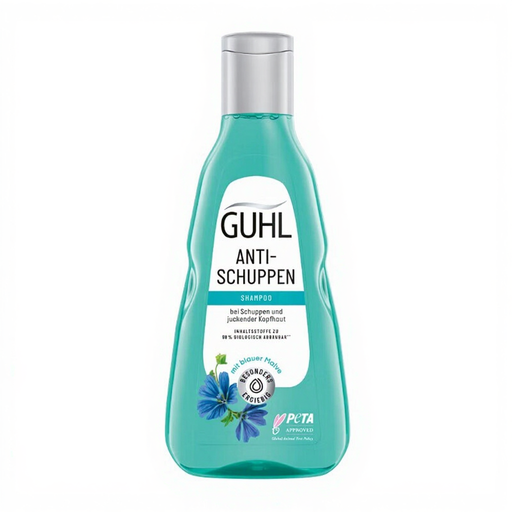
Why This Fits Their Persona: Ideal for users with an oily scalp and dandruff who need a solution that both clarifies and regulates sebum production to slow down oiliness.
This shampoo goes beyond simple cleansing by actively regulating sebum production with Zinc PCA, tackling the root cause of an oily scalp.
The dual-action formula combines soothing Blue Mallow with antimicrobial and sebum-regulating Zinc PCA for balanced scalp care.
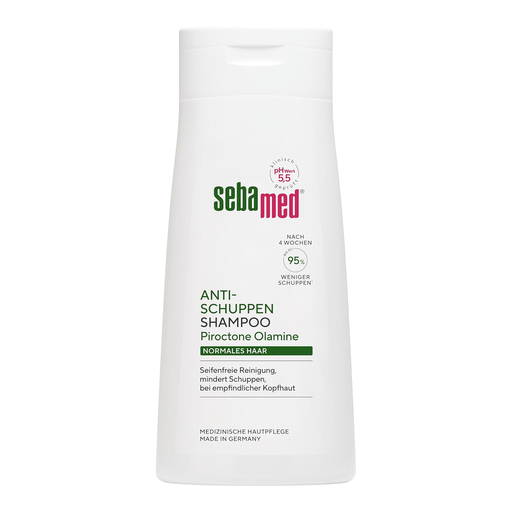
Why This Fits Their Persona: Suitable for those with a sensitive scalp who want a gentle yet effective solution for daily washing to prevent dandruff and maintain scalp balance.
It avoids the harsh cleansing trap with its soap-free formula and a pH of 5.5, which supports the scalp's natural acid mantle and prevents irritation.
The pH value of 5.5 promotes a healthy scalp. According to the manufacturer, Sebapharma, it provides lasting dandruff reduction with regular use.
We've compiled a complete, up-to-date list of products that fully meet these strict selection criteria.
The frequency of use depends on the formula and the severity of the problem. Many gentle shampoos are suitable for daily use. For more potent products, using them 2-3 times a week may be sufficient. Always follow the manufacturer's instructions on the product packaging. Once the scalp's condition improves, you can often reduce the frequency of use.
Some older or aggressively formulated shampoos can strip moisture from the hair and scalp. However, modern formulas often contain conditioning ingredients like Panthenol or Glycerin to counteract this effect. If you are prone to dry hair, specifically choose a shampoo for dry scalp and dandruff or use a moisturizing conditioner on the lengths of your hair as well.
Dry dandruff flakes are typically small, white, and fall easily from the head onto clothing. They are often caused by a dry, under-nourished scalp. Oily dandruff flakes are larger, yellowish, and stick to the scalp and hairline due to excess sebum. They are frequently associated with overactive sebum production and the yeast Malassezia. Distinguishing between them is crucial for choosing the right shampoo.