
Lieferung heute & morgen

Qualitätsgarantie

Willkommens-Angebote freischalten: KOSTENLOSE Lieferung | Bis zu 80 % RABATT | Kostenlose 30-Tage-JoyPlus-Testphase
App herunterladen
Visible flakes and an itchy scalp are more than just a cosmetic nuisance. They can significantly impact your well-being. The market for anti-dandruff shampoos is vast, but not every product delivers on its promise. Many users get caught in a cycle of trial and disappointment, falling for common marketing traps that often worsen the underlying problem.
As your Joybuy Product Recommendation Officer, I'm here to help you navigate these pitfalls. We will focus on the objective criteria that truly matter, enabling you to make an informed decision for a healthy scalp and flake-free hair.
Before you spend money on the next ineffective product, you should be aware of these typical pitfalls:
To find the right anti-dandruff shampoo, you should be guided by facts, not advertising claims. Pay attention to the following two core parameters to make a well-founded selection.
The choice of active ingredient is crucial for success. Different ingredients target different causes of dandruff.
A healthy scalp has a slightly acidic pH value of around 5.5. This so-called acid mantle protects it from drying out and from harmful microorganisms.
Based on these objective criteria, we have identified several products suitable for different needs and scalp types.
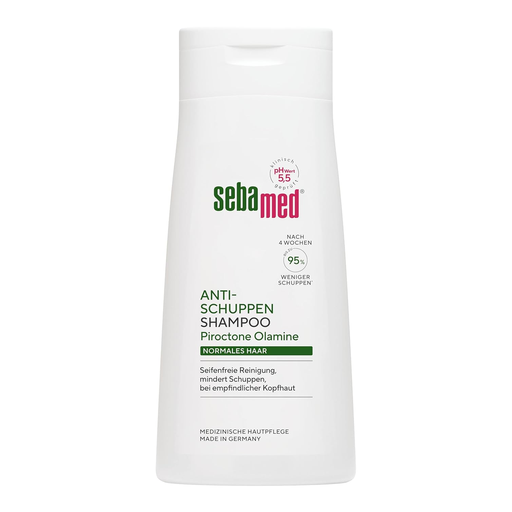
Why This Fits Their Persona: Ideal for individuals whose scalp reacts quickly to aggressive products. The soap-free formula is tailored to the needs of a sensitive scalp that requires a gentle yet effective solution for dandruff and itching.
It bypasses the harsh cleansing trap with its skin-neutral pH of 5.5, which supports the scalp's natural acid mantle and protects it from further irritation.
Contains the active ingredient Piroctone Olamine to combat dandruff. The soap- and alkali-free cleansing formula is exceptionally gentle.
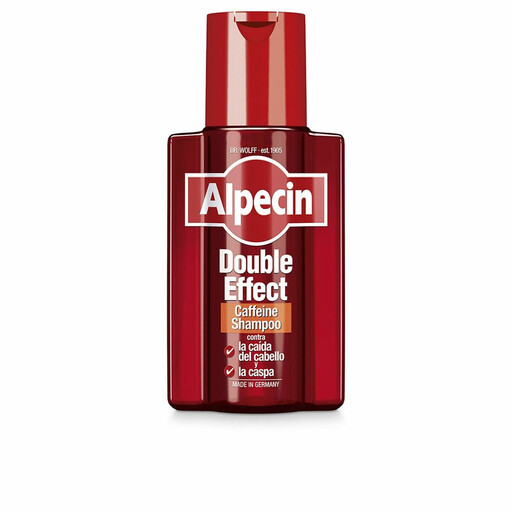
Why This Fits Their Persona: Suitable for men who want to not only combat stubborn dandruff on a rather oily scalp but also counteract hereditary hair loss at the same time.
This product avoids the "one-size-fits-all" trap by offering a targeted dual function. It combines active ingredients for dandruff removal with a caffeine complex that specifically targets the hair roots.
Combines Salicylic Acid and Piroctone Olamine for effective dandruff removal with a Caffeine Complex that stimulates the hair roots.
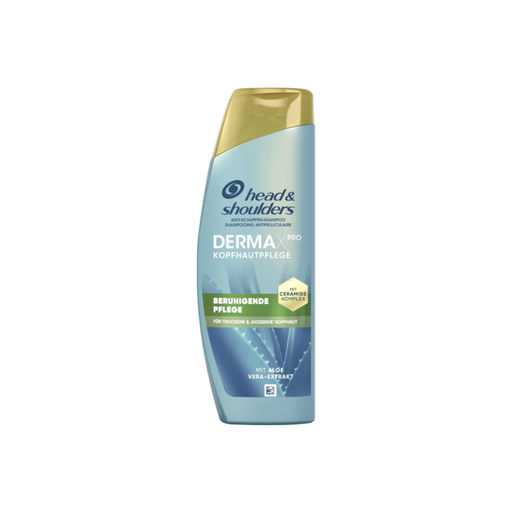
Why This Fits Their Persona: Designed for people who suffer from dry, fine flakes and a tight, itchy scalp. The focus here is clearly on restoring the moisture balance.
It avoids the harsh cleansing trap by not only fighting dandruff but also actively addressing the cause of dryness with a ceramide complex, strengthening the skin barrier.
The formula contains a Ceramide Complex, Piroctone Olamine, and Aloe Vera to moisturize the scalp and relieve itching.
We have compiled a complete, up-to-date list of products that fully meet these strict selection criteria and German safety regulations.
1. How often should I use an anti-dandruff shampoo? The frequency of use depends on the product and the severity of your dandruff. Many products are suitable for daily use. For more intensive formulations, using it 2-3 times a week may be sufficient. Always follow the manufacturer's recommendations on the packaging. Once your scalp's condition improves, you can reduce the frequency and alternate the anti-dandruff shampoo with a regular, mild shampoo.
2. Do anti-dandruff shampoos dry out hair? This is a valid concern. Older or very aggressive formulations could dry out the hair and scalp. However, modern products, especially those for dry scalps, contain nourishing ingredients like panthenol, glycerin, or natural oils to retain moisture. If you are prone to dry hair, combine the shampoo with a suitable conditioner, applying it mainly to the lengths and ends.
3. How can I tell if I have dry or oily dandruff? The distinction is relatively simple. Dry dandruff flakes are usually small, white, and fall easily from the hair onto clothing. They are often accompanied by an itchy, tight scalp. Oily dandruff flakes are larger, more yellowish, and stick to the scalp and hairline due to excess sebum. They are often a sign of an oily scalp. Correctly identifying your dandruff type is the first step in choosing the right product.