
Lieferung heute & morgen

Qualitätsgarantie

Willkommens-Angebote freischalten: KOSTENLOSE Lieferung | Bis zu 80 % RABATT | Kostenlose 30-Tage-JoyPlus-Testphase
App herunterladen
Standing for long periods, whether at a height-adjustable desk, in the kitchen, or in a workshop, can eventually lead to discomfort in your feet, legs, and back. An anti-fatigue mat is designed to increase comfort during standing activities by providing a cushioned and supportive surface.
This article serves as a guide. It explains the key features to look for when making your selection and presents various models suitable for different applications.
To make an informed decision, you should consider several functional criteria. These will help you find a mat that meets the specific needs of your workspace or home.
The material is a key determinant of a mat's cushioning properties and durability. Common materials include polyurethane (PU), PVC foam, or rubber. The thickness, often between 1.5 cm and 2.5 cm, indicates the level of padding. A thicker cushioned floor mat generally offers more cushioning, which can reduce pressure on your joints. Look for high material density, as this prevents the mat from flattening over time and losing its supportive function.
A non-slip kitchen mat or ergonomic workstation mat must be safe. A textured underside prevents the mat from sliding on smooth floors like tile or laminate. Equally important are beveled edges, which minimise the risk of tripping hazards. For use in kitchens or workshops, a waterproof and stain-resistant surface is advantageous, as it makes cleaning significantly easier. Liquids and dirt can simply be wiped away.
The size of the mat should suit its intended use. A mat for a standing desk should offer enough space to comfortably change your foot position without stepping off the mat. For the kitchen, longer, narrower runners that cover the area in front of the counter or sink are often suitable. Measure the available space before purchasing to ensure the mat fits while still allowing for sufficient freedom of movement.
Here is a selection of products that are well-suited for various scenarios due to their specific features.
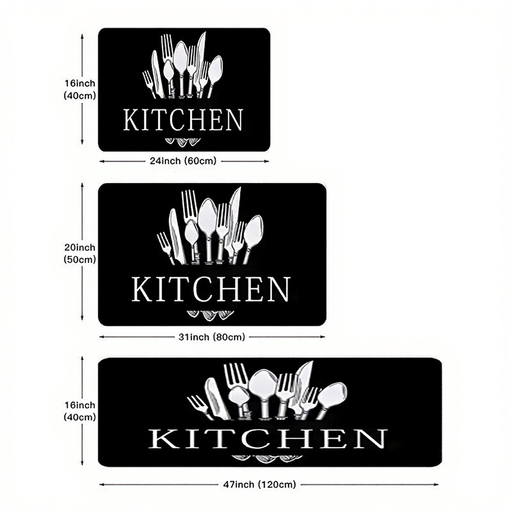
Why It Stands Out This runner combines functionality with a versatile design. While not a classic anti-fatigue mat, its waterproof and non-slip properties provide high utility in high-traffic areas.
Benefits
Who Is It For? This model is a great choice for those looking for a safe, low-maintenance floor mat for entryways, kitchens, or bathrooms where slip resistance and moisture protection are top priorities.
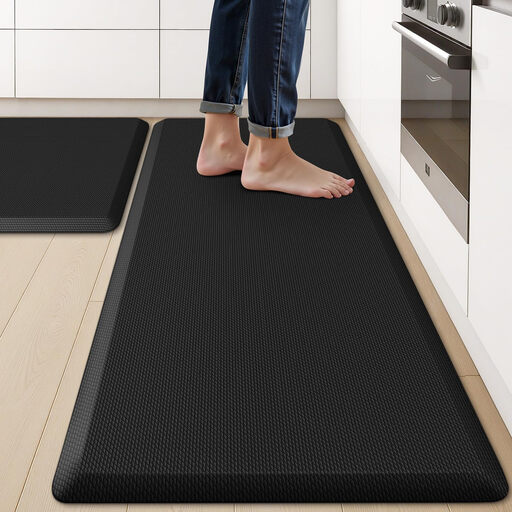
Why It Stands Out This standing mat is distinguished by its extra-thick construction and high-density material. The internal honeycomb structure is designed to ensure good rebound and support pressure distribution.
Benefits
Who Is It For? Ideal for standing desk users, DIY enthusiasts in the garage, or anyone who spends long hours working in the kitchen. The generous dimensions of 101.5 x 44 cm provide ample space for a comfortable stance.
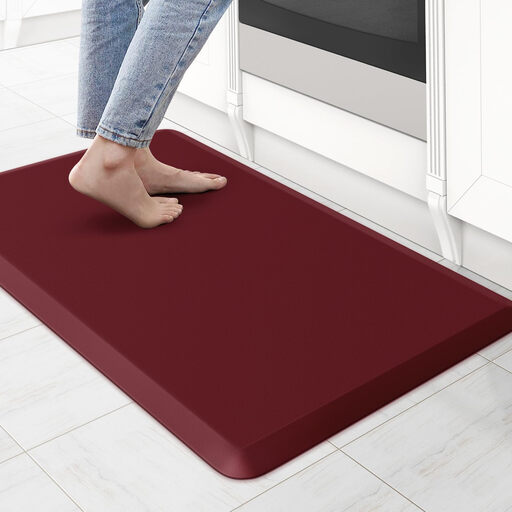
Why It Stands Out This model from LONGKING offers similar material benefits as the previous product but in a more compact size and a striking red colour. The thickness of 0.47 inches (approx. 1.2 cm) provides solid cushioning for daily use.
Benefits
Who Is It For? This mat is suitable for individuals who need an effective ergonomic workstation mat for a limited space, such as at a smaller standing desk, in the laundry room, or at a workbench.
If the models presented don't exactly match what you're looking for, or if you need a different size, there are other alternatives to explore. You can find a wider selection of floor coverings, also designed for comfort and safety, in our Runners & Rug Pads category.
Discover More Runners & Rug Pads Here
1. What is the benefit of an anti-fatigue mat? An anti-fatigue mat provides a cushioned surface that encourages your body to make subtle, unconscious balancing movements. This can promote muscle activity and help distribute pressure more evenly across your feet, legs, and back, which can make standing for long periods more comfortable.
2. How thick should a standing mat be? A common thickness for anti-fatigue mats is between 1.5 cm and 2.5 cm. A thicker mat generally offers more cushioning. However, a mat that is too soft can also cause instability. The optimal thickness depends on personal preference and body weight. A thickness around 2 cm is a good compromise for most users.
3. Can you use an anti-fatigue mat with shoes? Yes, most anti-fatigue mats are durable enough to be used with shoes. Mats made of hard-wearing PVC or rubber are particularly suitable for this. However, caution is advised when wearing shoes with sharp or hard heels, as they could damage the surface. For office use with regular street shoes, most models are perfectly suitable.