
Lieferung heute & morgen

Qualitätsgarantie

Willkommens-Angebote freischalten: KOSTENLOSE Lieferung | Bis zu 80 % RABATT | Kostenlose 30-Tage-JoyPlus-Testphase
App herunterladen
As your Joybuy Product Recommendation Officer, I see how many people struggle with hair loss every day. The search for an effective shampoo can be frustrating, as the market is saturated with products making bold promises. My goal is to provide you with objective criteria to help you make an informed decision and find a product that truly fits your needs.
Before you invest, it's crucial to recognise common marketing traps. Many people spend money on products that don't deliver, simply because they fall for exaggerated claims.
The "Miracle Ingredient" Myth: Often, a single ingredient—like biotin or a special plant extract—is promoted as the sole solution for hair loss. However, a single active ingredient is rarely the answer. A shampoo's effectiveness depends on the entire formulation, the concentration of its ingredients, and how they work together. A product that only advertises one trendy ingredient may be neglecting other vital aspects of scalp care.
Harsh Formulas That Do More Harm Than Good: In an effort to "deep clean" the scalp, some shampoos contain harsh sulfates (like SLS) that can strip the scalp's natural protective barrier. This can lead to dryness, irritation, and, in the worst-case scenario, a deterioration of your hair's condition. A healthy scalp environment is the foundation for strong hair.
Confusing Hair Breakage with Hair Loss: Many products marketed as a strengthening shampoo are designed to reduce hair breakage. This means they fortify the existing hair fibre to prevent it from snapping easily. While useful, this is not the same as treating hair loss that begins at the root. A true hair growth shampoo should target the hair follicles and the scalp.
To find the right product, you should focus on objective features rather than marketing slogans.
Instead of being dazzled by a single name, examine the entire ingredient list. A good formulation often combines several approaches. Look for combinations of ingredients known for their supportive properties:
The foundation of any good shampoo is its cleansing action. For a sensitive scalp prone to hair loss, a mild formulation is crucial. A silicone-free shampoo is often a great choice, as silicones can weigh down thin hair and build up on the scalp. Look for products that avoid aggressive sulfates and instead use milder sugar- or coconut-based surfactants. This protects the scalp and creates a better environment for hair growth.
Clarify what your primary problem is.
Based on the criteria above, we have selected a few products from our range that are suitable for different needs and user profiles.
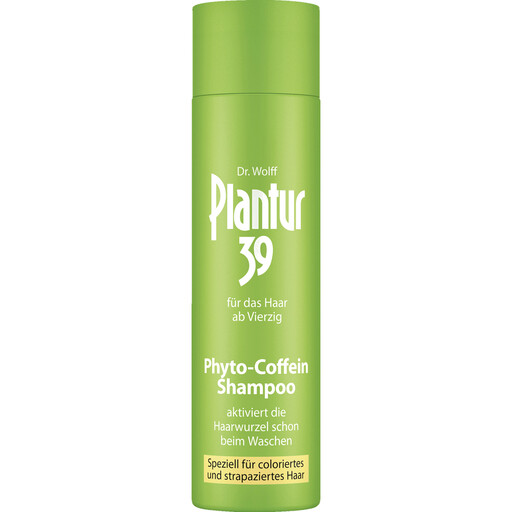
Why This Fits Their Persona: This product specifically targets women experiencing hormonal hair loss, particularly during menopause. It relies on the well-known Phyto-Caffeine Complex, which aims to activate the hair roots.
Instead of making vague promises, it focuses on a specific use case (hair loss from age 40 onwards) and a clearly defined active complex (caffeine), rather than promoting a single 'miracle ingredient'.
Specially formulated for coloured and stressed hair, addressing two common problems at once. Contains Provitamin B5 for fullness and smoothness.
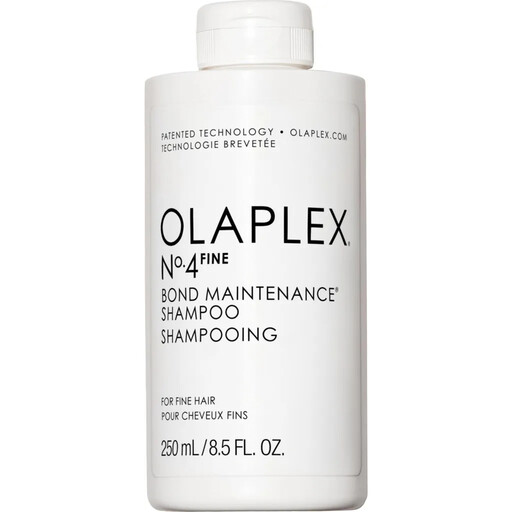
Why This Fits Their Persona: Ideal for individuals whose hair loss is primarily due to severe breakage from chemical treatments or styling. It's a repairing shampoo that focuses on strengthening the hair structure.
This product avoids the confusion trap: it doesn't promise to stimulate hair growth but instead focuses on its core competency—repairing disulfide bonds within the hair to reduce breakage.
The formula is free of sulfates, parabens, and silicones, making it gentle on the scalp. Its patented technology is designed to strengthen hair from the inside out.
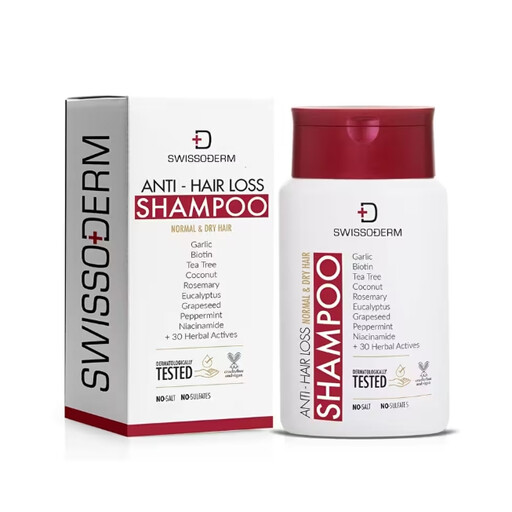
Why This Fits Their Persona: Perfect for users who prefer a holistic approach and trust in the power of botanical ingredients. The formula contains over 40 herbal extracts as well as biotin and niacinamide.
Instead of hyping a single 'miracle ingredient,' this shampoo relies on a broad spectrum of botanical extracts. The focus is on general nourishment and scalp care, not a singular solution.
The combination of biotin, niacinamide, and a variety of oils and extracts offers a comprehensive approach to scalp care. It is dermatologically tested and certified vegan.
We have compiled a complete, up-to-date list of products that fully meet these strict selection criteria and local safety regulations.
1. How often should you use an anti-hair loss shampoo? The frequency of use depends on the specific product and the manufacturer's recommendations. Many formulations are suitable for daily use, while for others, an application 3-4 times a week is sufficient. More important than frequency is consistency, so that the active ingredients can work on the scalp continuously.
2. When can you expect results from a caffeine shampoo? Hair growth is a slow process that occurs in cycles. Do not expect changes overnight. With consistent use over a period of at least three to six months, you may notice initial positive changes, such as reduced hair fall or the feeling of stronger hair. Patience and regular application are key.
3. Is a silicone-free shampoo better for thin hair? Yes, for people with fine or thinning hair, a silicone-free shampoo is often beneficial. Silicones coat the hair like a film, which can have a weighing-down effect on fine hair, making it look flat and lose volume. A silicone-free formula cleanses without leaving unnecessary residue, which can contribute to more fullness and a healthier scalp.