
Lieferung heute & morgen

Qualitätsgarantie

Willkommens-Angebote freischalten: KOSTENLOSE Lieferung | Bis zu 80 % RABATT | Kostenlose 30-Tage-JoyPlus-Testphase
App herunterladen
The anti-ageing skincare market is vast, and the promises made by manufacturers are often even bigger. When searching for an effective anti-wrinkle cream, it's easy to get lost in a sea of marketing jargon and ingredient lists. Many products fail to deliver on their promises, leading to disappointment and unnecessary expense. As your Joybuy Product Recommendation Officer, I'll help you recognise the common pitfalls and make an informed decision.
The most common purchasing mistakes are based on three widespread assumptions:
To avoid these mistakes, it's crucial to focus on objective product features rather than marketing claims.
Before making a purchase, you should examine three fundamental aspects. These will help you evaluate a cream's effectiveness and suitability for your individual needs.
The foundation of any effective anti-ageing skincare is its active ingredients. Instead of being dazzled by trendy ingredients, focus on proven components:
The skin around the eyes is significantly thinner and more delicate than the rest of the face. It has fewer sebaceous glands and is therefore more prone to dryness and wrinkles.
Using a regular face cream in the eye area can be ineffective at best and irritating at worst.
A cream can only work optimally if it suits your skin type. A rich cream for dry skin can lead to blemishes on oily skin. Look for labels like "for dry skin," "for sensitive skin," or "non-comedogenic" (does not clog pores). For sensitive skin, fragrance-free products and those without known irritants like high concentrations of alcohol are preferable. Checking the full ingredient list (INCI) is always advisable.
Based on the criteria above, we have compiled a selection of products suitable for different needs and user profiles.
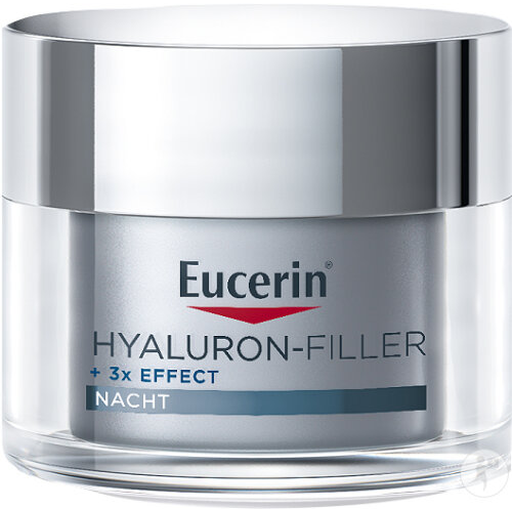
Why This Fits Their Persona: Ideal for those looking for a reliable night cream to regenerate the skin overnight and plump up initial fine lines with moisture. The formula is suitable for all skin types and comes from an established dermo-cosmetic brand.
This product avoids the "one-for-all" trap by being specifically designed as a night cream. It relies on a transparent combination of hyaluronic acid and dexpanthenol to support nightly skin regeneration, rather than promising vague miracles.
The formula combines hydrating hyaluronic acid with regeneration-boosting dexpanthenol. It specifically supports the skin during its nightly rest phase.
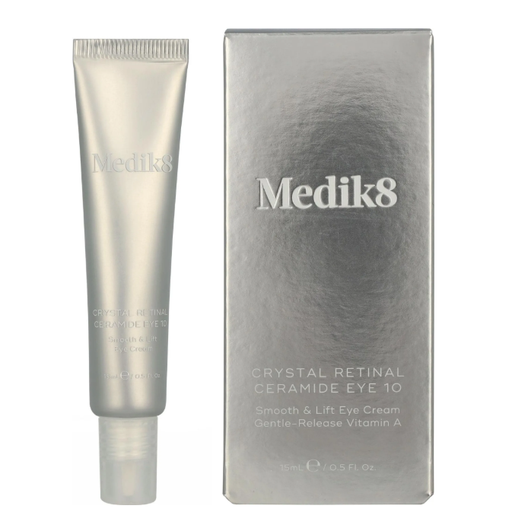
Why This Fits Their Persona: Perfect for users who want to specifically target the signs of ageing around the eyes, relying on an advanced active ingredient like retinal without neglecting the delicate skin barrier.
This product is the antithesis of the "one-for-all" trap. It is a highly specialised eye cream. Instead of a vague "miracle ingredient," it uses encapsulated retinaldehyde, a specific and advanced formulation designed for efficacy and tolerability.
Combines retinaldehyde for visibly reducing wrinkles with ceramides and hyaluronic acid to nourish, strengthen, and hydrate the delicate skin barrier of the eye area.
Why This Fits Their Persona: Specially developed for the needs of mature skin from age 55+. The focus is on strengthening thinning skin and restoring firmness, which are key concerns for this age group.
This cream avoids the trap of vague promises by clearly communicating which age group and skin concern (loss of firmness) it was developed for. The active ingredient, calcium, is directly linked to the goal of skin strengthening.
The formula is enriched with calcium to fortify the skin's structure and improve skin density. It is designed as a day cream and absorbs quickly without leaving a greasy film.
We have compiled a complete, up-to-date list of products that fully meet these strict selection criteria.
There is no fixed age. Skin ageing is influenced by genetic factors and lifestyle (e.g., sun exposure, smoking). Many people start with preventative measures in their late 20s or early 30s, often with hydrating products containing hyaluronic acid and daily sun protection. More targeted products with active ingredients like retinol or peptides are often integrated into the routine from the mid-30s or when visible signs of ageing, such as fine lines and loss of firmness, appear.
Patience is key here. Retinol works at a cellular level, and this process takes time. Initial improvements in skin texture and a more radiant complexion can become visible after a few weeks. For a visible reduction in fine lines and wrinkles, consistent use over several months (3 to 6 months) is typically required. It's important to introduce retinol into your skincare routine slowly to avoid overwhelming the skin.
It is generally not recommended. As mentioned earlier, the skin around the eyes is thinner and more delicate. Face creams can be too rich and may lead to puffiness or small white bumps (milia). Additionally, fragrances or higher concentrations of active ingredients in face creams can irritate the sensitive eye area. A specially formulated anti-wrinkle eye cream is the safer and often more effective choice.