
Lieferung heute & morgen

Qualitätsgarantie

Willkommens-Angebote freischalten: KOSTENLOSE Lieferung | Bis zu 80 % RABATT | Kostenlose 30-Tage-JoyPlus-Testphase
App herunterladen
As your Joybuy Product Recommendation Officer, my mission is to bring clarity to the often-confusing cosmetics market. When searching for an effective anti-wrinkle cream, many consumers face a shelf full of promises. However, not every product delivers what its packaging suggests. Instead of relying on marketing hype, it's crucial to understand the fundamentals to make an informed decision.
The desire for smoother, firmer skin is leveraged by many brands. In the process, certain recurring patterns can lead to poor purchasing decisions. By recognising them, you can make a more targeted choice.
To make the right choice, you should focus on objective criteria. These three points will help you separate the wheat from the chaff.
A firming face cream is based on a combination of ingredients that perform different functions. Here are some of the most established active ingredients:
The skin has different needs depending on the time of day. A good skincare routine takes this into account.
The base of a cream is just as important as its active ingredients.
Based on the criteria mentioned, we have identified some products that are well-suited for specific needs and user profiles.
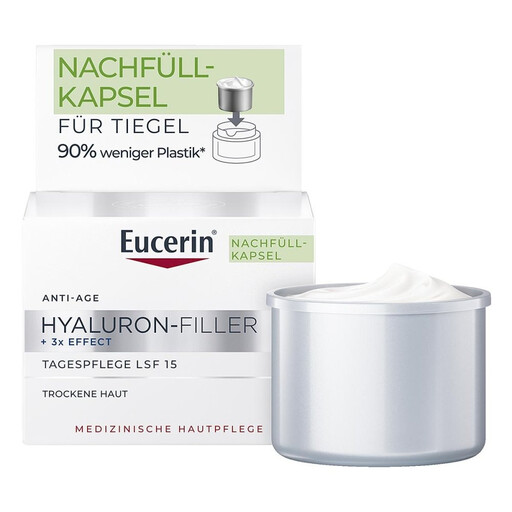
Why This Fits Their Persona: Ideal for individuals seeking a reliable day cream that specifically targets fine lines caused by dryness while providing basic protection for daily life in the UK.
The cream is explicitly formulated for dry skin, thus bypassing the 'one-size-fits-all' trap. The integrated SPF 15 offers solid basic protection and avoids the pitfall of a pure moisturiser without UV defence.
Combines moisture-binding hyaluronic acid with UVA/UVB protection. The formula with Glycine Saponin supports the skin's own hyaluronic acid production.
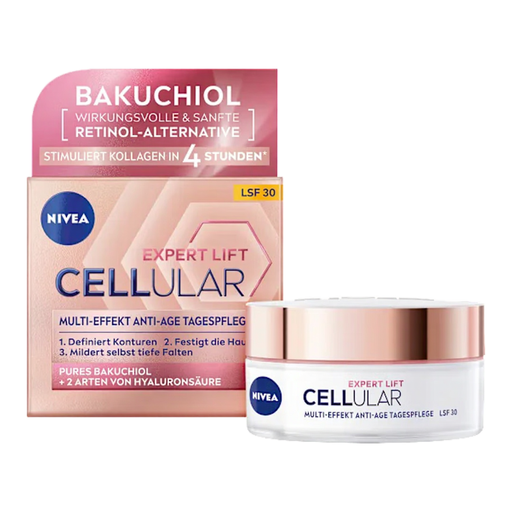
Why This Fits Their Persona: Suitable for users looking for a targeted solution for sagging contours and deeper wrinkles. The formulation addresses the needs of more mature skin that requires more intensive care.
It relies on the active ingredient Bakuchiol, a plant-based alternative to retinol that aims to stimulate collagen production. With SPF 30, it offers enhanced protection against UV radiation, addressing a key weakness of many day creams.
The combination of Bakuchiol and two types of hyaluronic acid targets both firming and intensive hydration. The higher sun protection factor is a clear plus for daily protection.
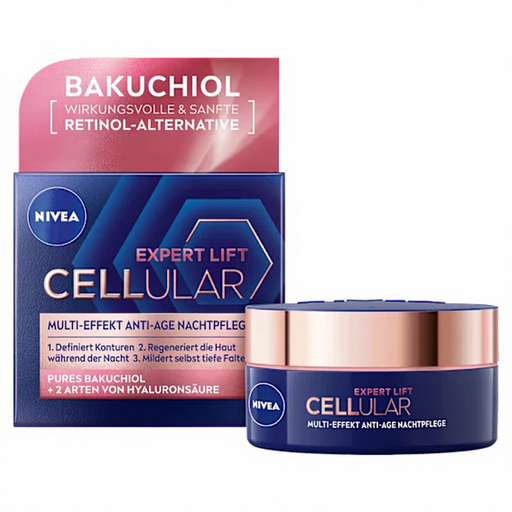
Why This Fits Their Persona: Perfect for anyone wanting to supplement their day care with a specific night care for mature skin to make the most of the regeneration phase during sleep.
This is a dedicated night cream without SPF that focuses on repair. It avoids the mistake of using a day cream with unnecessary UV filters at night, or a rich night cream during the day.
The formula with Bakuchiol and hyaluronic acid is designed to nourish and regenerate the skin overnight. The richer texture supports the skin's repair processes without feeling heavy.
We have compiled a complete, up-to-date list of products that meet these strict selection criteria and comply with current regulations.
There is no fixed age. Skin ageing begins in your mid-20s but often only becomes visible from your mid-30s. Instead of focusing on age, it's more effective to respond to your skin's needs. A good moisturiser and consistent sun protection are the foundations of any anti-ageing cream strategy and can be started early. More specific products with active ingredients like retinol or peptides are usually beneficial when the first lines and wrinkles appear.
Technically, it's possible, but not optimal. A day cream lacks the regenerative intensity of a specialised night cream. Conversely, a night cream contains no SPF, which is essential during the day. Additionally, its richer texture can feel heavy under makeup. Using two coordinated products is therefore functionally more sensible.
Patience is a key factor here. While improved hydration is often noticeable immediately, structural changes in the skin take time. Active ingredients that stimulate collagen production (e.g., retinol, bakuchiol) typically show their effects only after several weeks to months of regular use. The skin renewal cycle takes about 28 days and slows with age, so visible improvements are a gradual process.