
Lieferung heute & morgen

Qualitätsgarantie

Willkommens-Angebote freischalten: KOSTENLOSE Lieferung | Bis zu 80 % RABATT | Kostenlose 30-Tage-JoyPlus-Testphase
App herunterladen
The search for the right anti-wrinkle cream can quickly feel like navigating a labyrinth of marketing promises. Countless products advertise revolutionary ingredients and instantly visible results. However, not every cream delivers on its promise, and often the most heavily promoted features lead to disappointment and unnecessary expense. As your Joybuy Product Recommendation Officer, I'll help you recognise the common pitfalls and make an informed decision.
The most common purchasing mistakes are based on three widespread misconceptions:
To find a suitable anti-wrinkle cream that fits your needs, you should focus on objective criteria rather than marketing buzzwords.
Effective anti-ageing care is rarely based on just one ingredient. Rather, it's the thoughtful combination that makes the difference. Look for formulations that cover different needs:
The skin's needs change over time. A good skincare product for ages 50+ is often more richly formulated and contains active ingredients tailored to the declining collagen and moisture levels of more mature skin. Younger skin, on the other hand, often benefits more from lighter textures and preventative care that focuses primarily on moisture and antioxidants. Therefore, always check which skin type (dry, oily, combination, sensitive) and age group a product is recommended for.
The skin has different needs during the day and at night.
Based on these objective criteria, we have compiled a selection of products suitable for different user profiles in the UK.
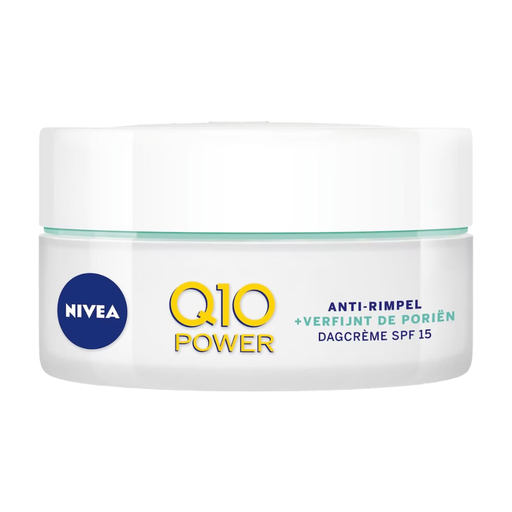
Why This Fits Their Persona: Ideal for those looking for a reliable and affordable first anti-ageing day cream. The lightweight formula is designed for combination skin and provides a solid foundation for a daily routine.
This product avoids the "one-size-fits-all" trap by being specifically designed for combination skin. It combines the antioxidant protection of Q10 with a basic SPF 15, thus avoiding the neglect of daytime protection.
Combines coenzyme Q10 and creatine in a lightweight, pore-refining formula. Provides UVA/UVB protection with SPF 15 for daily use.
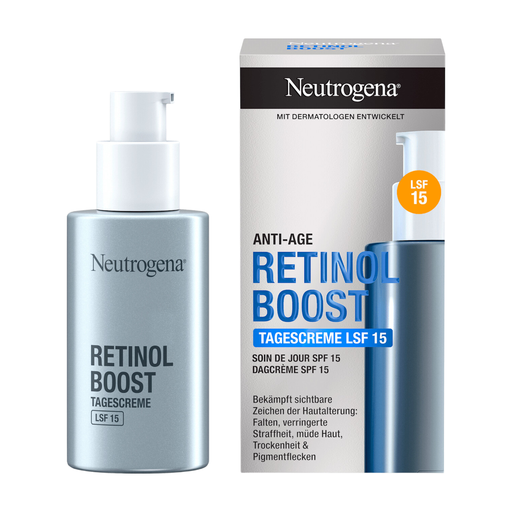
Why This Fits Their Persona: Perfect for users specifically looking for a retinol cream to improve skin texture without sacrificing moisture and daily sun protection.
This cream escapes the "miracle ingredient" myth by combining pure Retinol (0.1%) with hydrating Hyaluronic Acid and protective SPF 15. It offers a well-rounded formulation rather than an isolated active ingredient.
Contains a clearly declared concentration of retinol. The lightweight texture absorbs quickly while providing moisture. According to the manufacturer Johnson & Johnson, 100% of testers showed a visible improvement.
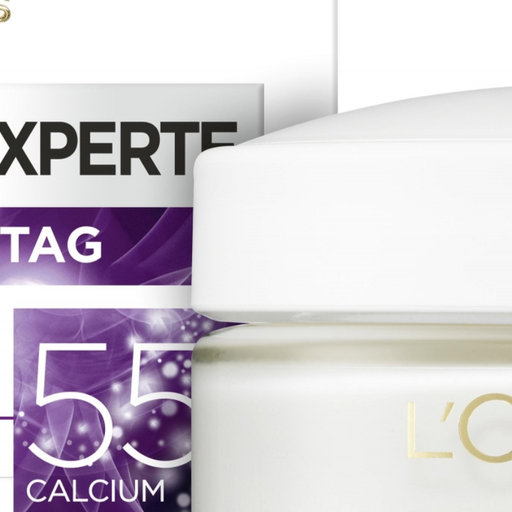
Why This Fits Their Persona: Specifically developed for the needs of skin aged 55 and over. This cream addresses the loss of density and firmness typical of mature skin, providing nourishing care.
This product is a clear counter-example to the "one-size-fits-all" trap. It is explicitly positioned as skincare for ages 50+ (or 55+) and contains Calcium to strengthen the thinning skin barrier—a specific need of mature skin.
The formula is designed to restore skin density and improve elasticity. The texture is nourishing without being greasy and absorbs well.
We have compiled a complete, up-to-date list of products that fully meet these strict selection criteria and UK safety regulations.
There is no fixed age. Preventative care can be beneficial as early as your late 20s to early 30s. The focus here is on moisture, antioxidants, and above all, daily sun protection. From your mid-30s, more targeted ingredients like retinol or peptides can be integrated into your routine to counteract the first fine lines and wrinkles.
For beginners, it is recommended to introduce a retinol cream into your skincare routine slowly. Start by applying it two to three times a week in the evening to allow your skin to get used to it. If no irritation occurs, the frequency can be gradually increased to daily use. During the day, it is essential to use a high sun protection factor (SPF 30 or higher), as retinol makes the skin more sensitive to light.
The main difference lies in their function. An anti-ageing day cream is primarily designed for protection: it contains a sun protection factor (SPF) to shield the skin from UV radiation and often has a lighter texture. An anti-wrinkle night cream focuses on regeneration. It is usually richer, contains higher concentrations of repairing ingredients, and omits SPF, as it is not needed at night.